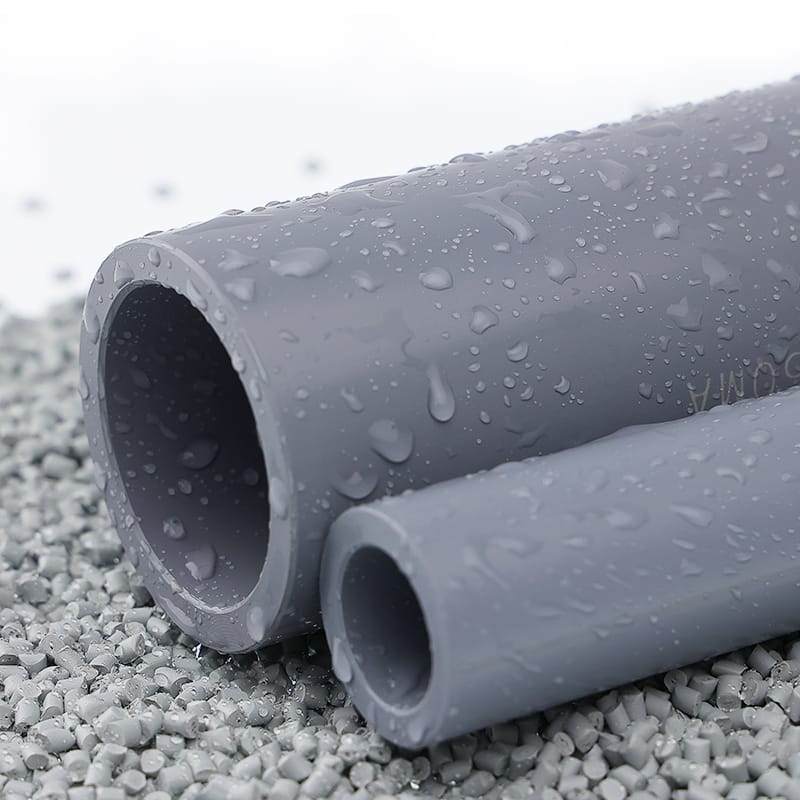
Upgrade your industrial fluid systems with Ruisongbuild’s Schedule 40 (SCH40) CPVC piping. Manufactured strictly , our CPVC pipes deliver outstanding resistance to harsh chemicals, acids, and elevated temperatures up to 200°F (93°C). Featuring a lighter wall thickness than SCH80, our SCH40 CPVC provides a highly cost-effective solution for low-pressure industrial applications, wastewater treatment, and commercial hot water distribution without compromising on thermal stability or corrosion resistance.
Description
Ruisongbuild Schedule 40 Industrial CPVC Pipes: Cost-Effective High-Temperature Performance
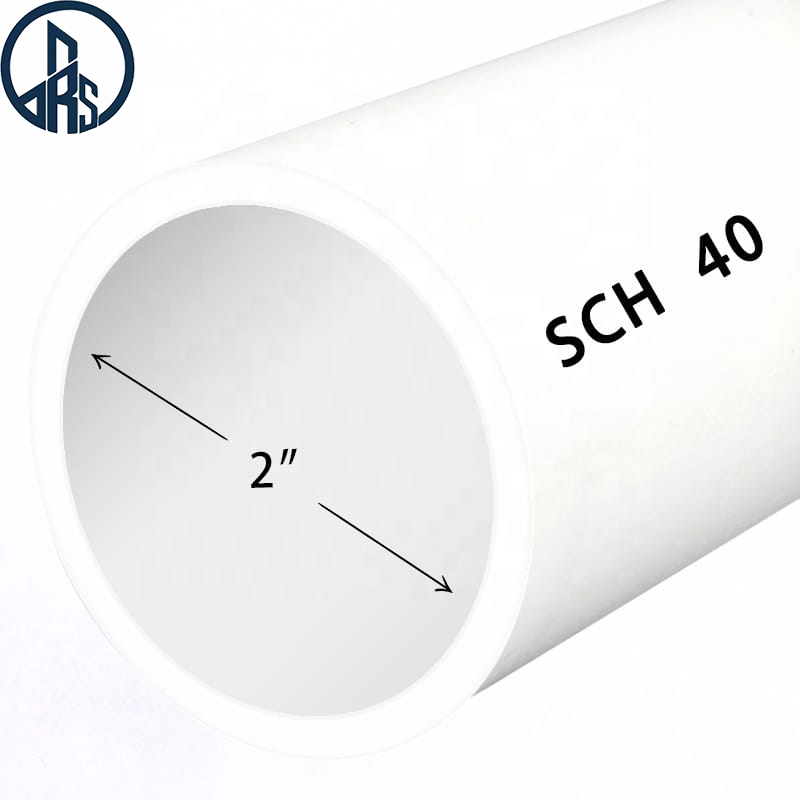
When your industrial application requires the exceptional heat and chemical resistance of Chlorinated Polyvinyl Chloride (CPVC) but does not demand the extreme high-pressure ratings of Schedule 80, Ruisongbuild’s Schedule 40 (SCH40) CPVC pipes are the perfect engineering choice. Designed based on the North American IPS (Iron Pipe Size) system, these pipes offer superior flow characteristics and robust performance in aggressive environments.
Key Technical Specifications
-
Material: Industrial-Grade CPVC (Chlorinated Polyvinyl Chloride)
-
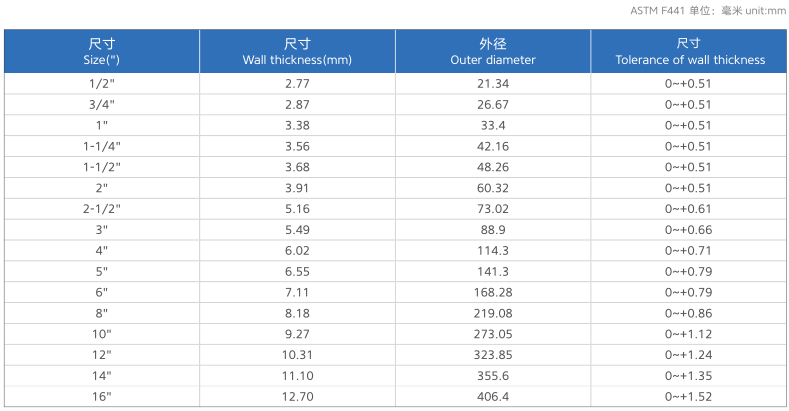
Manufacturing Standard: ASTM F441 / ASTM D1784
-
Dimensions: IPS (Iron Pipe Size), measured in inches
-
Size Range: 1/2″ up to 24″
-
Maximum Operating Temperature: 200°F (93°C)
-
Connection Method: CPVC Solvent Welding, Threaded, or Flanged
-
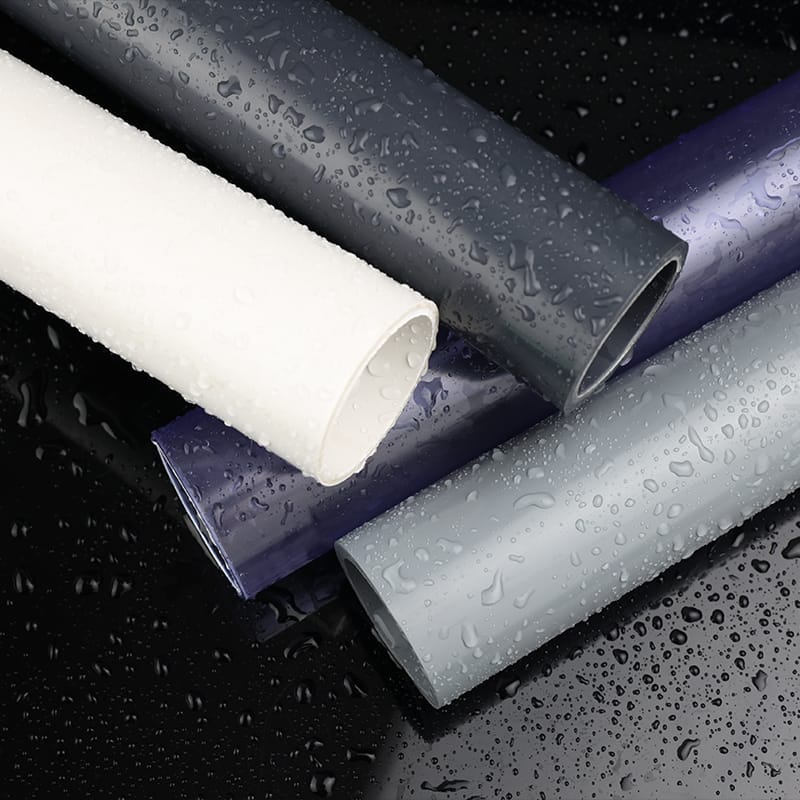
Color: Typically Light Gray
Core Advantages of Ruisongbuild SCH40 CPVC
1. Unmatched Chemical Resistance:
Highly resilient to a broad range of corrosive environments, including strong mineral acids, bases, salts, and aliphatic hydrocarbons, making it vastly superior to carbon steel or copper in chemical plants.
2. Outstanding Thermal Stability:
Capable of handling continuous fluid temperatures up to 200°F (93°C), SCH40 CPVC maintains its rigidity and structural integrity where standard PVC would soften and fail.
3. Optimized Flow & Cost Efficiency:
Because SCH40 has a thinner wall compared to SCH80, it offers a larger internal diameter (ID) for the same nominal pipe size. This means lower friction loss, higher flow rates, and a more budget-friendly price point for lower-pressure systems.
Common Industrial Applications
-
Chemical Processing: Transporting aggressive chemicals at elevated temperatures.
-
Wastewater Treatment: Handling corrosive effluents and aeration systems.
-
Plating & Metal Finishing: Immune to galvanic corrosion and plating chemicals.
-
HVAC & Commercial Plumbing: Condensate drain lines and hot water distribution.
Choosing the Right Standard: ASTM (SCH40) vs. DIN Standard
Ruisong is a global manufacturer capable of meeting diverse engineering standards:
-
Operating in North America or using Imperial specs? This SCH40 CPVC pipe is your exact match.
-
Engineering a metric-based project? Explore our [DIN Standard CPVC Pipes ] measured in millimeters.
-
Need high pressure and high temp? Ask our sales team about our heavy-wall Schedule 80 CPVC options!
Frequently Asked Questions (FAQs)
Q1: What is the main difference between Schedule 40 and Schedule 80 CPVC?
A: The primary difference is the wall thickness and, consequently, the pressure rating. Schedule 80 CPVC has a thicker wall, making it suitable for high-pressure industrial applications. Schedule 40 CPVC has a thinner wall, which provides a larger internal diameter for better flow rates and is more cost-effective. SCH40 is ideal for applications involving high temperatures and corrosive chemicals but at lower internal pressures.
Q2: Can I thread Schedule 40 CPVC pipe?
A: No. Because Schedule 40 CPVC has a relatively thin wall, it is strictly recommended against threading, as cutting threads will severely weaken the pipe’s structural integrity. If threaded connections are required, you must use the thicker-walled Schedule 80 CPVC pipe or utilize molded threaded adapter fittings.
Q3: What is the maximum temperature SCH40 CPVC can handle?
A: Ruisong SCH40 CPVC piping systems are rated for a maximum continuous operating temperature of 200°F (93°C). However, it is important to note that the pipe’s pressure-bearing capacity decreases as the operating temperature increases (a derating factor must be applied).
Q4: Do I need special solvent cement for SCH40 CPVC?
A: Yes. You must use solvent cement specifically formulated for CPVC (often orange or gray in color), along with an appropriate primer. Standard PVC glue will not chemically bond with CPVC at the molecular level and will lead to joint failure, especially under high heat.
Q5: Will SCH40 CPVC rust or scale over time?
A: Absolutely not. CPVC is a non-metallic thermoplastic. It is completely immune to galvanic corrosion, rust, and scale buildup, ensuring that the interior wall remains perfectly smooth and fluid purity is maintained throughout its lifespan.

Reviews
There are no reviews yet.