You can see there are big differences between schedule 40 and schedule 80 pvc pipe and fittings. Schedule 40 is lighter. It also costs less money. Schedule 80 has thicker walls. It can handle more pressure. Picking the right pipe keeps your project safe. It also helps you save money and makes it last longer. Look at the table below for a quick summary:
Feature | Schedule 40 | Schedule 80 |
|---|---|---|
Safety | Low to medium pressure | High-pressure systems |
Cost | More cost-effective | Higher cost |
Performance | Easier to handle | More durable |
Think about what your pvc project needs. This includes pressure, where you use it, and how much you want to spend. Ruisong sells both schedule 40 pvc and schedule 80 pvc to buyers all over the world.
Key Takeaways
Schedule 40 PVC pipe is lighter and costs less. It works well for home plumbing and watering yards. Schedule 80 PVC pipe has thicker walls. It can handle more pressure. This makes it good for factories and places with high pressure. Always think about the pressure and where you will use the pipe. This helps you pick between Schedule 40 and Schedule 80 PVC pipes. You can mix Schedule 40 and Schedule 80 fittings. But this might lower how much pressure your system can take. For most home jobs, Schedule 40 is enough. Schedule 80 is better for hard jobs or places with lots of pressure.
Schedule 40 vs Schedule 80 PVC Pipe Overview
Key Differences
It is important to know how schedule 40 and schedule 80 pvc pipe are not the same. The biggest difference is wall thickness. Schedule 40 pipe has walls that are thin. Schedule 80 pipe has walls that are thick. This changes how much pressure each pipe can take. Schedule 40 pvc pipe is good for plumbing, drainage, and irrigation. You use it when the pressure is low or medium. Schedule 80 pvc pipe is made for high-pressure systems and industrial work. It is stronger and lasts longer.
These pipes also act differently outside. Schedule 40 pvc pipe stands up to sunlight and weather. It stays strong for jobs above ground. Schedule 80 pvc pipe protects even better. Its thick walls soak up more energy and keep the surface safe from harm.
You see schedule 40 pvc pipe in homes and gardens. Schedule 80 pvc pipe is used in factories and places with high pressure. You need to pick the right pipe for your project. Think about the pressure, where you use it, and how long you want it to last.
Tip: Schedule 40 pvc pipe is good for most jobs. Schedule 80 pvc pipe is best for tough jobs or high-pressure systems.
Quick Comparison Table
The tables below show the main differences. They help you compare schedule 40 and schedule 80 pvc pipe fast.
Feature | Schedule 40 | Schedule 80 |
|---|---|---|
Wall Thickness | Thin walls | Thick walls |
Pressure Rating | Up to 450 PSI | Up to 850 PSI |
Typical Uses | Plumbing, drainage, irrigation | High-pressure jobs, industrial uses |
Conduit Type | Notes on Performance | |
|---|---|---|
Schedule 40 | Good resistance; keeps strength after sunlight | Works well above ground where some protection is needed. |
Schedule 80 | Excellent resistance; stays strong after sunlight and weather | Thick walls soak up energy and protect the surface. |
Factor | Description |
|---|---|
Growth Drivers | More building, cities growing, and more factories. |
Schedule 80 for high-pressure jobs; schedule 40 for regular jobs. | |
Market Influences | Saves money, easy to install, government helps build projects. |
Market Segmentation | Industrial pipelines are used most, especially in chemical factories. |
Geographic Expansion | Big chances in new countries because cities and factories are growing fast. |
Schedule 40 pvc pipe is cheaper and works for everyday jobs. Schedule 80 pvc pipe is stronger and lasts longer in hard conditions. Both types help you build safe and strong systems. You should check wall thickness, pressure, and where you will use the pipe.
If you want a free quote or to see product catalogs for schedule 40 or schedule 80 pvc pipe, visit ruisong’s contact page.
What Does Pipe Schedule Mean?
Pipe Schedule Definition
You may wonder what “pipe schedule” means when you look at pvc pipe. Pipe schedule is a system that tells you how thick the walls of a pipe are. This system uses numbers like schedule 40 and schedule 80. These numbers help you compare pipes with the same outside diameter but different wall thicknesses. Here are some key points to remember:
Pipe schedule gives you a standard way to measure wall thickness.
Schedule 40 and schedule 80 are the most common types you will see.
A higher schedule number means the pipe has thicker walls.
For example, a 1-inch schedule 40 pvc pipe has a wall thickness of at least 0.133 inches. A 1-inch schedule 80 pipe has a wall thickness of at least 0.179 inches.
You can use this information to pick the right pipe for your project. Thicker walls usually mean the pipe can handle more pressure.
Impact on PVC Pipe Properties
The schedule of a pvc pipe changes how it works in real life. When you choose a pipe with a higher schedule, you get a pipe that can handle more pressure. Schedule 80 pvc pipe is stronger than schedule 40 because of its thicker walls. This makes it a better choice for high-pressure jobs or places with tough conditions.
Temperature and chemicals also affect how your pipe performs. If you use pvc in very cold weather, schedule 40 can become brittle and may break if water inside freezes. High temperatures or strong chemicals can also damage the pipe over time. You should always think about where and how you will use the pipe before you choose a schedule.
Tip: Always check the pressure rating and the environment before you buy pvc pipe. If you need help or want a free quote, visit ruisong’s contact page.
Dimensions and Sizing of Schedule 40 and 80 PVC
Wall Thickness Comparison
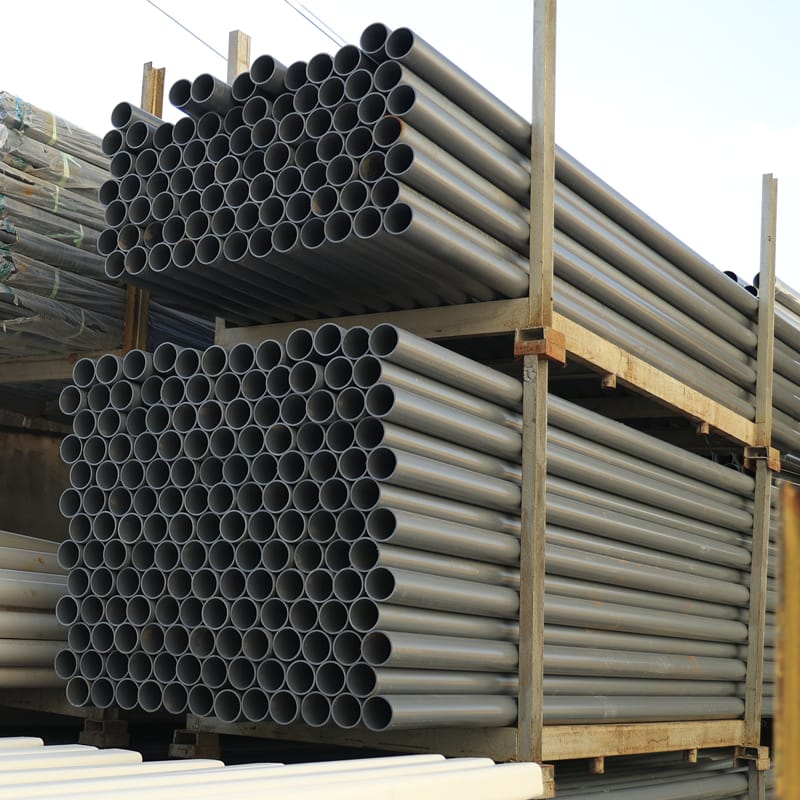
You need to look at wall thickness when you compare schedule 40 and schedule 80 pvc pipe. Wall thickness means how thick the pipe walls are. Schedule 80 always has thicker walls than schedule 40. This makes schedule 80 pvc pipe stronger and better for high-pressure jobs. You can see the difference in the table below:
Nominal Pipe Size (in) | Schedule 40 Min Wall (in) | Schedule 80 Min Wall (in) |
|---|---|---|
1/2 | 0.109 | 0.167 |
3/4 | 0.113 | 0.154 |
1 | 0.133 | 0.179 |
2 | 0.154 | 0.218 |
4 | 0.237 | 0.337 |
6 | 0.280 | 0.432 |
8 | 0.322 | 0.500 |
You can also see the wall thickness difference in this chart:
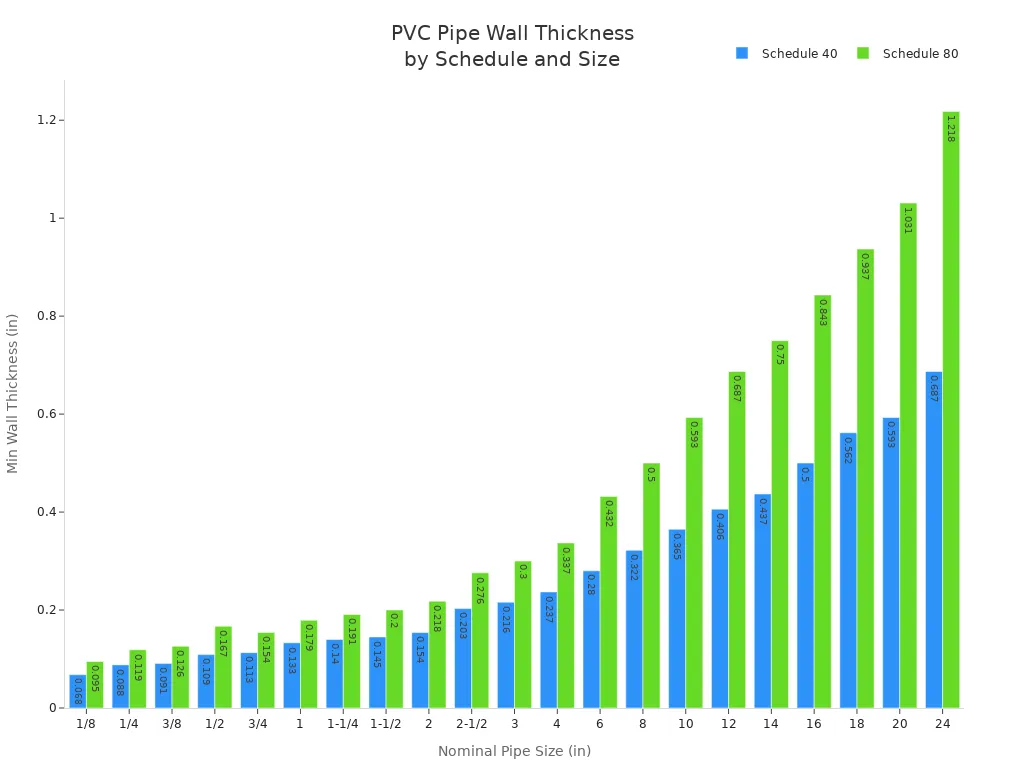
Thicker walls mean schedule 80 pvc pipe can handle more pressure. Schedule 40 pvc pipe works well for most home and garden jobs. Schedule 80 pvc pipe is better for tough or industrial jobs.
Inside and Outside Diameter
The outside diameter of schedule 40 and schedule 80 pvc pipe stays the same for each size. The inside diameter changes because schedule 80 has thicker walls. This means the hole inside schedule 80 pvc pipe is smaller than in schedule 40. You can see this in the table:
Pipe Type | Outer Diameter | Inside Diameter |
|---|---|---|
Schedule 40 | Constant | Larger due to thinner walls |
Schedule 80 | Constant | Smaller due to thicker walls |
You should always check the inside diameter if you need a certain flow. Thicker walls in schedule 80 pvc pipe make the inside space smaller.
Fitting Compatibility
Schedule 40 and Schedule 80 fittings are interchangeable due to their shared outside diameter. However, mixing them can lower the overall pressure rating of the system.
You can use schedule 40 and schedule 80 pvc pipe fittings together because the outside size matches. If you mix them, the system may not handle as much pressure. Always check your project needs before you choose.
If you want a free quote or need a product catalog for schedule 40 or schedule 80 pvc pipe, visit ruisong’s contact page.
Pressure Ratings for Schedule 40 and 80 PVC
When you choose pvc pipe for your project, you need to know how much pressure each type can handle. The pressure ratings tell you how strong the pipe is and how much water pressure rating it can take before it fails. Schedule 40 and schedule 80 pvc have different pressure handling abilities because of their wall thickness and design.
Schedule 40 PVC Pressure Limits
Schedule 40 pvc pipe works well for many home and light commercial jobs. You see it in irrigation, drainage, and plumbing. The maximum pressure ratings depend on the pipe size and the temperature of the water. As the temperature goes up, the pressure rating goes down. You can check the table below for common sizes:
Pipe Size | Schedule | Pressure Rating at 73°F | Pressure Rating at 100°F | Pressure Rating at 140°F |
|---|---|---|---|---|
1/2 inches | 40 | 450 PSI | 360 PSI | 280 PSI |
1 inch | 40 | 370 PSI | 296 PSI | 220 PSI |
2 inches | 40 | 280 PSI | 224 PSI | 180 PSI |
4 inches | 40 | 220 PSI | 176 PSI | 120 PSI |
You can see from the chart below that smaller pipe sizes have higher pressure ratings. As the pipe gets bigger, the rating drops.
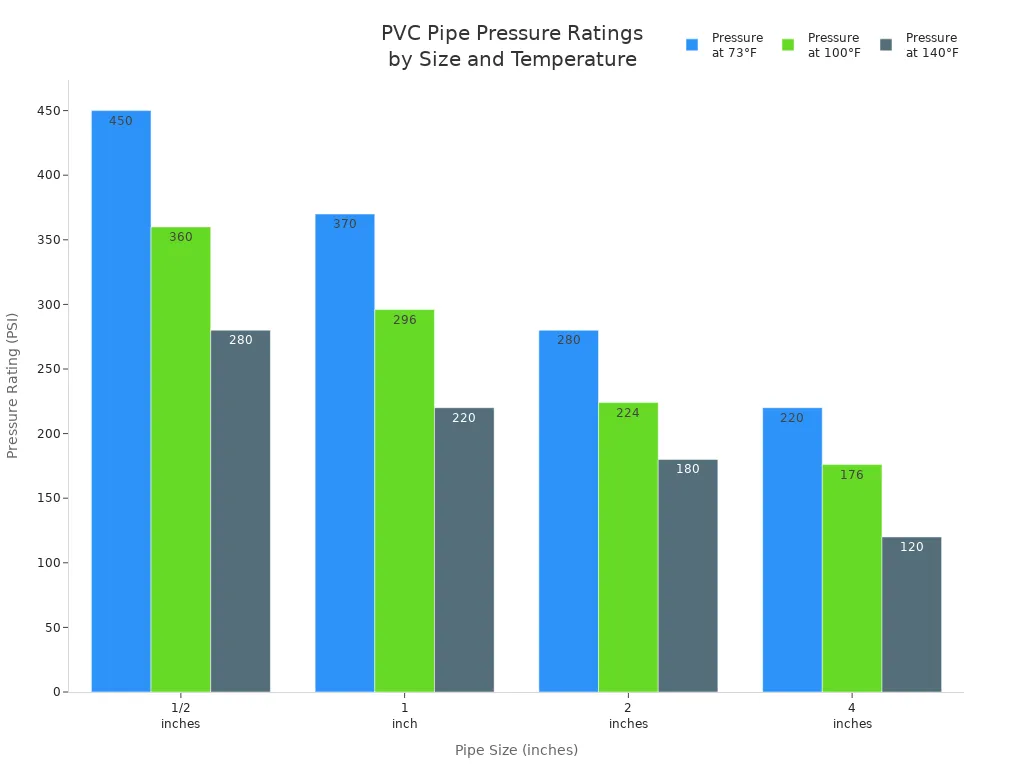
If you need a pipe for regular water flow and medium pressure, schedule 40 pvc is a good choice. Always check the temperature and size before you decide.
Schedule 80 PVC Pressure Limits
Schedule 80 pvc pipe gives you higher pressure handling. You use it in places where the pressure is high or where safety matters most. The thicker walls let schedule 80 pvc handle more stress. For example, a 1-inch schedule 80 pipe can handle up to 630 PSI at 73°F. This is much higher than schedule 40 of the same size. As with schedule 40, the pressure ratings drop as the pipe size increases or the temperature rises.
You should pick schedule 80 pvc when you need higher pressure or when the system must last a long time. This type of pipe is common in factories, chemical plants, and other tough environments.
Note: Always match the pipe schedule to your system’s needs. If you want help or a free quote, visit ruisong’s contact page.
Color and Appearance of PVC Pipe
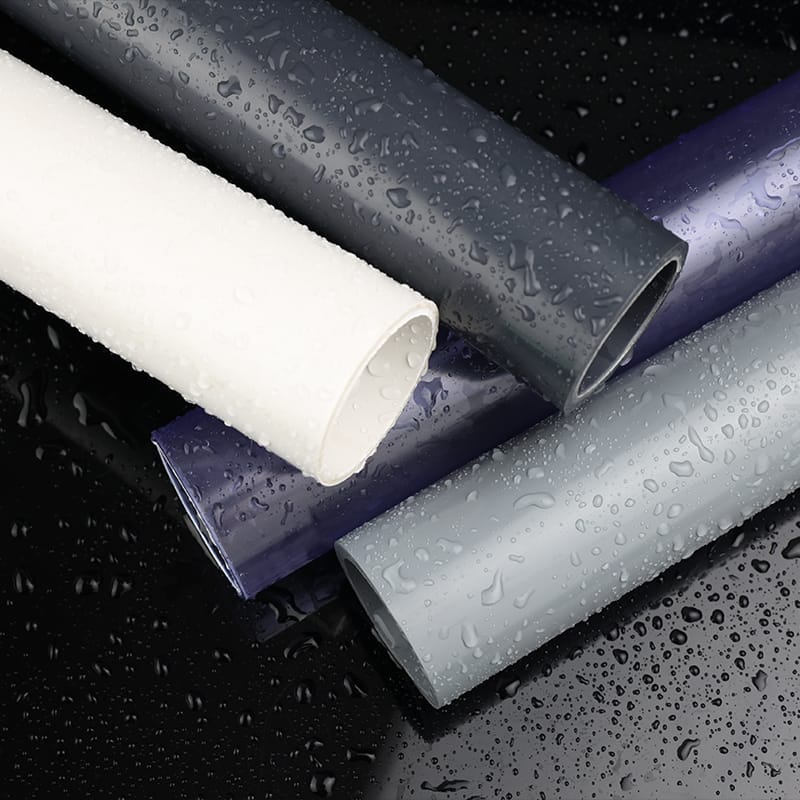
Identifying Schedule 40 and 80 by Color
You can spot the difference between schedule 40 and schedule 80 pipes by looking at their color. This helps you choose the right pipe quickly. Most schedule 40 pipes look white. Schedule 80 pipes usually appear dark gray. You see this color code in many markets. The table below shows a simple way to tell them apart:
Pipe Type | Color |
|---|---|
White | |
Schedule 80 | Dark Gray |
If you work on a project and need to check the type, look at the color first. This method saves you time and helps you avoid mistakes.
Markings and Standards
You find important markings on every pvc pipe. These markings show you the schedule number, size, and standards. You use these details to make sure the pipe meets your needs for pressure and safety. Here are some things you should look for:
The schedule number appears on the pipe. This helps you compare wall thickness and choose the right pipe for your job.
Markings show the pipe size and the standards it follows. These standards make sure the pipe works well and keeps your system safe.
You see that schedule 40 pipes are white and schedule 80 pipes are gray. This color code makes it easy to pick the right pipe.
Schedule 80 pipes have thicker walls than schedule 40 pipes. This means schedule 80 handles more pressure and has a smaller inside diameter.
When you read the markings and check the color, you can pick the best pvc pipe for your project. If you want more details or need a free quote, you can visit ruisong’s contact page.
Cost Comparison: Schedule 40 vs Schedule 80 PVC
Price Differences
When you compare the cost of schedule 40 and schedule 80 pvc pipe, you will notice a clear difference. Schedule 40 usually costs less because it uses less material. Schedule 80 costs more due to its thicker walls and higher pressure rating. Here are some average prices for a common size:
The price of a 1.5-inch schedule 40 pvc pipe is about $1.50 per linear foot.
The same size in schedule 80 pvc costs around $2.20 per linear foot.
You can see that schedule 80 pvc pipe is more expensive. This higher cost comes from the extra material and the ability to handle more pressure. If you need a lot of pipe for your project, the total cost can add up quickly.
Factors Affecting Cost
Several factors affect the cost of pvc pipe. The main reason for the price difference is the wall thickness. Schedule 80 pipes have thicker walls, so they use more material. This makes them stronger and able to handle higher pressure, but it also increases the cost.
Factor | Schedule 40 PVC Pipe | Schedule 80 PVC Pipe |
|---|---|---|
Material Thickness | Thinner walls | Thicker walls |
Pressure Rating | Lower capacity | Higher capacity |
Cost | Less expensive | 10-40% more expensive |
Other things that affect the cost include:
Schedule 80 pipes use more pvc, which raises the price.
These pipes are made for higher pressure jobs, so they need more testing and quality checks.
The fittings for schedule 80 may also cost more because they must match the thicker pipe walls.
When you plan your project, you should think about how much pipe you need and what pressure your system will face. If you want to get a free quote or see a product catalog, you can visit ruisong’s contact page.
Pros and Cons of Schedule 40 and 80 PVC
Schedule 40 PVC Advantages and Disadvantages
Schedule 40 pvc pipe is common in homes and small businesses. It gives you a good mix of strength and price. You can use it for water supply, drainage, and irrigation jobs. The table below shows the main good and bad points:
Disadvantages | |
|---|---|
Durability | Performance in extreme climates |
Cost-effectiveness | UV exposure limitations |
Safety for drinking water |
This pipe is strong and works well for moving water. Schedule 40 pvc pipe costs less, so you save money. It is safe for drinking water, so people use it for plumbing. It is light, so you can install it easily. But it does not work as well in very hot or cold weather. Sunlight for a long time can make the pipe weaker.
Tip: Pick schedule 40 for most indoor plumbing or outdoor jobs with some sun protection.
Schedule 80 PVC Advantages and Disadvantages
Schedule 80 pvc pipe is best when you need more strength. You see it in factories, chemical plants, and high-pressure systems. The table below shows the main good and bad points:
Disadvantages of Schedule 80 PVC Pipe | |
|---|---|
Superior strength and ruggedness | Higher cost compared to Schedule 40 |
Suitable for high-pressure applications | Heavier and more difficult to handle |
Reduced risk of failure due to thicker walls | Limited flexibility in installation |
This pipe can handle higher pressure and lasts longer in tough places. The thick walls help stop leaks or breaks. Schedule 80 pvc pipe works well with strong chemicals and hot water. It is heavier and harder to cut or fit. The price is higher, so use it when you need extra strength. If you want more options or a free quote, visit ruisong’s contact page.
Note: Always pick the right pipe and fittings for your project’s pressure and safety needs.
Applications of Schedule 40 and 80 PVC Pipe
PVC pipe is used in many places. You see it in homes, stores, and factories. Picking the right schedule helps you build safe systems. Every job needs a certain type of pipe. You must choose the pipe that fits your project.
Common Uses for Schedule 40 PVC
Schedule 40 is popular because it saves money. It works well when the pressure is not high. This pipe is light and easy to install. People use it for home and small business projects.
Some common uses are:
Water pipes in houses and offices
Pipes for drains and waste in buildings
Pipes for watering gardens and yards
Pipes for air in low-pressure systems
Pipes for moving water in fish tanks
You also see schedule 40 pvc in indoor plumbing. It is used for drains and vents. Landscapers use it for sprinklers and garden watering. Pool builders use it for pool pipes and water features. It is good for underground drains when soil pushes on the pipe.
Tip: Schedule 40 pvc pipe gives you good strength and saves money. It works for most home and small business jobs.
Common Uses for Schedule 80 PVC
Schedule 80 pvc is used in tough places. You pick this pipe when you need more strength. Its thick walls help it handle high pressure and strong chemicals. Many factories and big jobs use schedule 80.
Here is a table showing where schedule 80 pvc pipe is used:
Application Area | Description |
|---|---|
Industrial piping systems | Used in factories and water plants for moving fluids that need strong pipes. |
Corrosive environments | Handles harsh chemicals because it resists damage. |
Moves dangerous fluids like acids and chlorine, keeping the system safe. |
Factories use schedule 80 pvc for moving fluids under high pressure. Chemical plants use it for dangerous liquids. Manufacturing plants need strong pipes, so they use schedule 80.
Note: Schedule 80 pvc pipe is best for hard jobs or when you need to stop leaks.
Choosing the Right PVC Pipe for Your Project
You should think about a few things before you pick a pipe. The right pipe depends on your job, the pressure, and where you use it. Ask yourself these questions:
What is the main job? (Home plumbing, factory work, garden watering, etc.)
How much pressure will the pipe face?
Will the pipe carry chemicals or be in tough places?
How much money can you spend?
If you work on a home or garden job, schedule 40 is usually enough. For high-pressure or factory jobs, schedule 80 is safer and stronger. Always check the pressure rating and if the pipe can handle chemicals.
If you want help, a free quote, or a product catalog for schedule 40 or schedule 80 pvc pipe, visit ruisong’s contact page.
Picking the right pvc pipe and fittings helps your system last longer. You get better results and avoid expensive repairs. Make sure the pipe schedule matches your job for the best outcome.
Why Pick ruisong for PVC Pipe Solutions
Quality Control and Global Supply
You want your pvc pipe system to be safe and last long. Ruisong checks quality for schedule 40 and schedule 80 products. They test materials before making each batch of pipe. Ruisong has ISO 9001 certification, so you get a trusted quality system. The company keeps VCM residue under 1 ppm to protect your health. Each batch has certificates that show K-value and bulk density. You also get lab reports from outside experts. These reports prove the pipe meets high standards.
Here is a table showing how ruisong checks quality:
Quality Control Measure | Description |
|---|---|
Testing of Incoming Materials | Checks every batch before making pipe |
ISO 9001 Certification | Uses a strong quality management system |
VCM Residue Documentation | Keeps VCM residue below 1 ppm for safety |
Batch-specific Certificates | Gives you proof of K-value and bulk density |
Third-party Lab Reports | Gets outside experts to check the quality |
Ruisong sends pvc pipe and fittings to buyers everywhere. You can trust their shipping to keep your project on track.
One-Stop Procurement with ruisong
You save time and money when you pick ruisong as your supplier. You do not need to work with many companies. Ruisong gives you all you need for schedule 40 and schedule 80 pvc pipe jobs. You get many high-quality pipes and fittings. Prices are good, so you can keep costs low. Strict quality checks mean you always get good materials. Fast shipping helps you finish your work on time.
Here are some benefits you get with ruisong:
The supply chain works well, so you get materials fast.
You can keep your budget safe.
Ready to start your project? Get a free quote and product catalog from ruisong.
There are big differences between schedule 40 and schedule 80 pvc pipe. The table shows how they are not the same in wall thickness, pressure, and cost. Schedule 40 is good for homes and gardens. Schedule 80 is better for tough jobs or factories.
Feature | Schedule 40 (residential) | Schedule 80 (industrial) |
|---|---|---|
Wall Thickness | Thinner | Thicker |
Pressure Rating | Lower | Higher |
Cost | Lower | Higher |
You need to pick the right pipe for your job. Think about how much pressure you need, where you will use it, and how much you can spend. If you want help or a free quote, go to ruisong’s contact page.
FAQ
What is the main difference between Schedule 40 and Schedule 80 PVC pipe?
You will see that Schedule 80 PVC pipe has thicker walls than Schedule 40. This means Schedule 80 can handle higher pressure. Schedule 40 works well for most home jobs. Schedule 80 is best for tough or industrial projects.
Can you use Schedule 40 and Schedule 80 fittings together?
You can connect Schedule 40 and Schedule 80 fittings because they have the same outside diameter. If you mix them, the system may not handle as much pressure. Always check your project’s needs before you decide.
How do you know which schedule pipe you need?
You should look at your project’s pressure and environment. Use Schedule 40 for low or medium pressure. Pick Schedule 80 for high-pressure or chemical jobs. If you are not sure, ask an expert.
Where can you get a free quote or product catalog for PVC pipe?
You can get a free quote or product catalog from ruisong. Click here to contact ruisong.