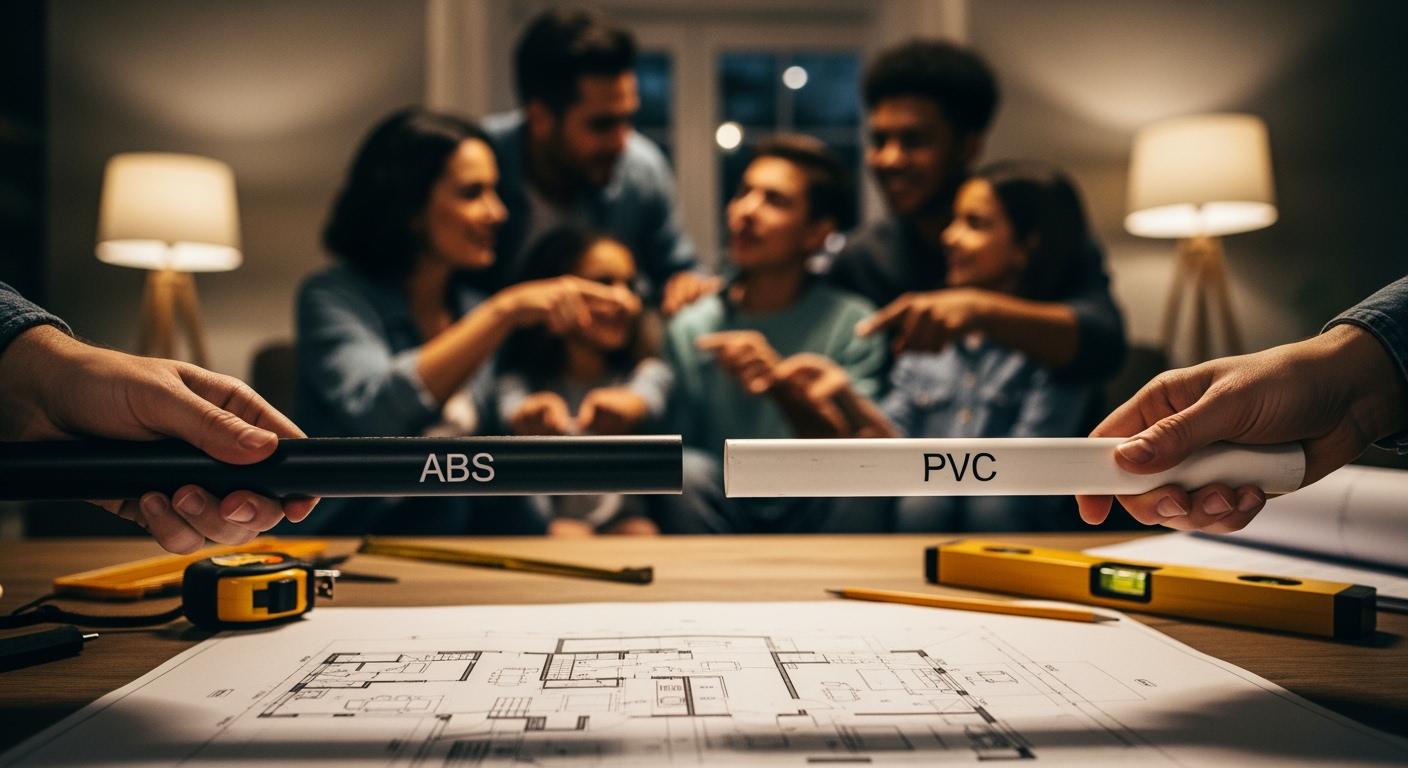
You want the best pipe for your house, right? Most people and plumbers in 2026 choose PVC pipe for inside jobs. This is because PVC is light and bends easily. When you compare abs vs pvc, you see that PVC works well in places with sun or heat. Check out this quick table:
Pipe Type | Advantages | Disadvantages |
|---|---|---|
ABS | High-Temperature Resistance, Chemical Resistance, Durability | BPA Content, Sunlight Sensitivity |
PVC | Flexibility, Temperature Resistance, Lightweight | Limited Underground Use, Lower Chemical Resistance |
At ruisong build, we found that you should pick ABS for pipes under the ground or in cool areas. You get strong pipes and easy setup with PVC. Fire safety and state laws are important, so make sure to check them before you purchase pipes.
Key Takeaways
PVC pipe is a great pick for indoor plumbing. It costs less, lasts long, and is easy to put in.
ABS pipe works well underground and in cold places. It is strong if hit and is easy to install in one step.
You should always look at local building codes first. Rules can be different for safety and how you use pipes.
Think about what you need for your plumbing. Also, think about your budget and the weather where you live when picking ABS or PVC pipes.
If you do projects yourself, ABS is simpler to use. PVC takes more steps to put in.
ABS vs PVC Comparison
Material Differences
When you look at abs vs pvc, you notice big differences in their makeup and how they act. Both are plastic, but each has its own strengths. ABS pipe is tough and handles impacts well. PVC pipe is lighter and bends more easily. You can see the main differences in this table:
Property | ABS | PVC (Rigid/Flexible) |
|---|---|---|
1.04–1.06 g/cm³ | 1.38–1.45 / 1.1–1.35 g/cm³ | |
Tensile Strength | 40–50 MPa | 50–80 / 10–25 MPa |
Impact Resistance | High | Moderate |
Heat Resistance | 80–100°C | 60–80°C |
Good | Excellent | |
Flexibility | Moderate | Rigid or flexible |
Cost | Moderate to high | Low to moderate |
ABS pipe stands out for its impact resistance. You can drop it or bump it, and it usually holds up. PVC pipe is more flexible, especially when you use plasticizers. This makes it a favorite for many plastic plumbing systems. Both types of plastic pipe have their place, but you need to know which one fits your residential plumbing need.
Fire and smoke safety matter, too. PVC is combustible and has a flame-spread index over 25. Its smoke-developed index is over 50. That means you need to check local codes before you use pvc pipe indoors. Some states limit where you can use certain plastic pipe alternatives because of these ratings.
Typical Uses
You see abs vs pvc used in different spots around the house. ABS pipe works best underground or in places where it might get hit. PVC pipe is common for indoor plumbing and water lines. Here’s a quick look at where you might use each type:
Pipe Type | Characteristics | |
|---|---|---|
ABS | Sewer, DWV lines, underground plumbing, outdoor drains | Durable, impact-resistant, easy to install |
PVC | Potable water lines, indoor plumbing, irrigation, HVAC, drainage | Versatile, safe for drinking water, flexible, widely accepted |
ABS pipe is a go-to for sewer lines and outdoor drains. It handles shock and temperature swings. PVC pipe is the top pick for indoor water supply and drainage. You can use it for irrigation, too. Both types of plastic pipe work with many fittings, but you need to match the right fittings to the right pipe.
At ruisong build we found, many homeowners choose pvc pipe for indoor jobs because it is easy to cut and glue. ABS pipe is better for underground work where you want something that can take a hit. If you need pvc pipe alternatives, you might look at cast iron or copper, but those cost more and need special tools.
Pros & Cons
Let’s break down the pros and cons of abs vs pvc so you can pick the best plastic for your project:
ABS Pipe Pros:
Exceptional impact resistance. You can use it in tough spots.
Simple one-step connection with special cement. No primer needed.
Handles cold weather and underground use well.
Works with many plastic fittings and pipe alternatives.
ABS Pipe Cons:
Sunlight breaks it down over time. Not great for outdoor above-ground use.
Moderate chemical resistance. Some strong solvents can damage it.
Slightly higher material cost than pvc pipe.
PVC Pipe Pros:
Superior chemical and corrosion resistance. Great for harsh water or chemicals.
Flexible and lightweight. You can bend it around corners.
Safe for potable water. Meets most building codes for indoor use.
Works with a wide range of plastic fittings and pvc pipe alternatives.
PVC Pipe Cons:
Needs a two-step process for fittings: primer and cement. This adds time and cost.
More brittle than abs pipe. You need to handle it with care.
Not as tough for underground or heavy-duty jobs.
When you compare abs vs pvc, you see that both have a place in plastic plumbing systems. ABS pipe is strong and simple to install. PVC pipe is flexible and safe for drinking water. If you want to save money, remember that abs pipe costs a bit more, but pvc pipe takes longer to install because of the primer step. For most residential plumbing need, you will use both types of plastic pipe and fittings somewhere in your home.
Tip: Always check your local codes before you pick a pipe. Some states have strict rules about fire safety and where you can use each type of plastic pipe or fittings.
If you want pvc pipe alternatives, you can try cast iron or copper. These alternatives last a long time but cost more and need special fittings. For most homes, abs vs pvc gives you the best mix of price, strength, and easy installation.
Plumber Reviews
Installation
You want a smooth installation when you work with any pipe. Plumbers say that abs is easier to install because you only need one-step cement. You do not need a primer, so you save time. PVC pipe needs a two-step process with primer and cement. This takes longer and can get messy. At ruisong build we found, plumbers often pick abs for quick jobs, especially in cold weather. The pipe does not crack as easily during installation. State rules matter, though. Some places do not allow abs for drinking water lines. PVC pipe is more accepted for most plumbing jobs, especially indoors.
Durability
When you look at durability, abs stands out. Plumbers trust abs pipe for underground work and sewage lines. It handles heavy loads and cold weather. You can see the difference in this table:
Pipe Type | |
|---|---|
ABS | Heavy-duty, great for underground, strong in cold |
PVC | Flexible, good for water lines, less tough in extreme heat or cold |
At ruisong build we found, abs pipe resists impact and does not crack easily. PVC pipe is lighter and bends more, but it can get brittle in cold or warp in heat. Plumbers say abs is the better choice for tough spots, while pvc pipe works well for indoor water lines.
Maintenance
You want pipes that last and do not need much care. Plumbers report that both abs and pvc pipe need little maintenance if you install them right. Still, some issues pop up. Here are the most common ones:
ABS pipe can warp or break if it sits in direct sunlight.
ABS pipe may contain BPA, so plumbers do not use it for water supply.
PVC pipe can crack if you drop it or if it gets too cold.
At ruisong build we found, most repairs happen when pipes are not installed right. Always check your local rules before you start a plumbing project. Some states have strict limits on where you can use abs or pvc pipe.
Homeowner Reviews
DIY Installation
You want a project that feels easy, right? Many homeowners say installing plastic pipe is simple if you follow a few steps. When you work with abs, you notice it is lightweight and user-friendly. You can cut it fast and connect it with one-step cement. For pvc pipe, you need to use primer and cement, which takes a bit more time. If you join abs and pvc pipe, you must use special transition fittings.
Here’s a quick table to show what you might face:
Pipe Type | Common Experiences | Challenges |
|---|---|---|
ABS | Simple install, light, easy to handle | Watch pipe size, slope, venting |
PVC | Needs special fittings for ABS | Must follow codes, risk of leaks |
You should always keep a slope of 1/4-inch down for every foot of pipe. Use cleanouts to stop blockages. Make sure you vent the system right so your water drains well.
Performance
You want your plastic pipe to work quietly and last long. Homeowners love pvc pipe for indoor jobs because it muffles sound. You barely hear water moving through it. This makes pvc pipe perfect for drains and wastewater lines inside your house. Abs is not as quiet, but it is strong. You can use abs outside or underground where you need tough pipe.
At ruisong build we found, pvc pipe is best for indoor plumbing. Abs works better for outdoor jobs because it handles shocks and cold weather. Here’s a table to help you compare:
Pipe Type | Noise Level | Indoor/Outdoor Use |
|---|---|---|
PVC | Quiet | Indoor |
ABS | Louder | Outdoor |
Cost & Value
You want to save money but still get good results. Plastic pipe keeps costs low for most projects. Abs costs a bit more than pvc pipe, but you save time with faster installation. Pvc pipe is cheaper and safe for drinking water systems. You spend less on materials, but you might spend more time on the job. Both types last for years and need little care. If you want the best value, pick the pipe that fits your water needs and your budget.
Common Issues & Solutions
Leaks
You want your plastic pipe to not leak. Leaks happen if you rush or skip steps. Using the wrong cement can cause leaks. Not cleaning pipe ends lets water escape. PVC pipe needs primer before cement. ABS pipe only needs cement. Check every joint to make sure it is tight. Leaks in drainage systems can cause big problems. Water can hurt your walls and floors. Always test your plastic pipe when you finish. At ruisong build we found, most leaks come from bad connections, not from the pipe.
Tip: If you see a leak, dry the spot and add more cement. For bigger leaks, you should change the broken pipe part.
Compatibility
You may want to join ABS pipe to PVC pipe. You cannot glue them together right away. The Minnesota State Plumbing Code says to use special transition fittings or adapters. Some cements say they join ABS and PVC pipe, but they only work for drains. If you mix plastic pipe types without the right fitting, you can get leaks and break the rules. Always check your local plumbing rules before you start. Using the correct adapter keeps your drains safe and your water clean.
Approved transition fittings join ABS pipe to PVC pipe.
Never glue different plastic pipe types for water supply.
Use special cements only for drains, not for pressure pipe.
Environmental Concerns
Plastic pipe has many good points, but you should think about the environment. Making PVC pipe lets out toxic chemicals like dioxins. These chemicals hurt nature and can harm people. Vinyl chloride in PVC pipe can get into water and cause cancer. Burning PVC pipe makes more dioxins, which are very dangerous. Many groups want to get rid of these chemicals. People living near plastic pipe factories have more risk from dirty air and water. Chemicals from PVC pipe can hurt your liver and kidneys. Environmental justice is important because many factories are near poor neighborhoods.
PVC pipe making lets out toxic chemicals.
Vinyl chloride can get in water and cause health problems.
Burning plastic pipe makes more risks for the environment.
People near factories face environmental justice problems.
At ruisong build we found, picking the right plastic pipe helps your home and the earth. Always recycle old pipe and follow local rules for throwing it away.
2026 Recommendations
Renovations
You want your renovation to last. Many homeowners in 2026 look for a pipe that is easy to install and will not rust. PVC is a top choice for most indoor jobs. You can cut this plastic pipe with simple tools. It is light, so you can carry it up stairs or through tight spaces. If you need to replace old pipes, you will find that pvc is cost-effective and safe for water. At ruisong build we found, people like pvc because it resists rust and does not need much care. You can see how pvc compares to other pipe options in this table:
Pipe Type | Key Features | Best Use Case |
|---|---|---|
Copper | Long-lasting, strong | Long-term plumbing |
PEX | Flexible, easy for tight spots | Complex layouts |
PVC | Rust-resistant, affordable, durable | General plumbing |
CPVC | Handles hot water better than pvc | Hot water lines |
Stainless Steel | Great for salty air, resists corrosion | Coastal plumbing |
Cast Iron | Heavy, strong, but can rust | Heavy-duty jobs |
New Builds
You want your new home to have reliable plumbing. Builders in 2026 often pick pvc for most plastic pipe needs. This pipe works well for drains, vents, and water lines. You can use pvc both indoors and outdoors, but check your local rules for fire safety. Plastic pipe is easy to install, so you save on labor. If you need hot water lines, you might use cpvc, which handles heat better than pvc. For underground work, some choose abs, but pvc is still the most common plastic pipe for new homes.
Final Verdict
You want the best value and performance. Most reviews in 2026 say pvc is the best all-around plastic pipe for homes. Here is what you should remember:
PVC pipe is easy to use and lasts a long time.
You can install this plastic pipe without special tools.
PVC does not rust and is safe for most water needs.
ABS is easier to cut and does not need primer, but pvc is more common.
Always check your local codes before you buy any plastic pipe.
If you want a pipe that is simple, affordable, and strong, pvc is the way to go for most projects.
You’ve seen why so many people pick pvc for home plumbing in 2026. Let’s recap the key points:
ABS works well underground and in cold spots.
pvc is affordable, lasts a long time, and keeps water flowing smoothly.
Both pipes are easy to install, but pvc is the top choice for indoor jobs.
At ruisong build we found, you should always check your local codes and ask a plumber if you’re not sure. Here’s what you can do next:
Think about where you need the pipe.
Talk to a local expert for advice on pvc or ABS.
You get the best results when you mix what the pros say with your own needs.
FAQ
Can you use ABS and PVC pipes together?
You can join ABS and PVC pipes, but you need special transition fittings. Minnesota plumbing code says you must use approved adapters. Never glue them directly for water supply.
Which pipe is safer for drinking water?
PVC pipe is safer for drinking water. ABS may contain BPA, which is not recommended for water lines. Always check your local codes before you choose.
How do you fix a leak in plastic pipes?
Dry the area first. Add more cement to small leaks. For bigger leaks, cut out the damaged section and replace it. At ruisong build we found, most leaks come from bad connections.
Is PVC pipe good for outdoor use?
PVC pipe works well outdoors, but sunlight can make it brittle over time. You should paint or cover it to protect it from UV rays.
What is the easiest pipe to install for DIY?
ABS pipe is easier for DIY projects.
You only need one-step cement.
PVC pipe needs primer and cement, which takes more time.