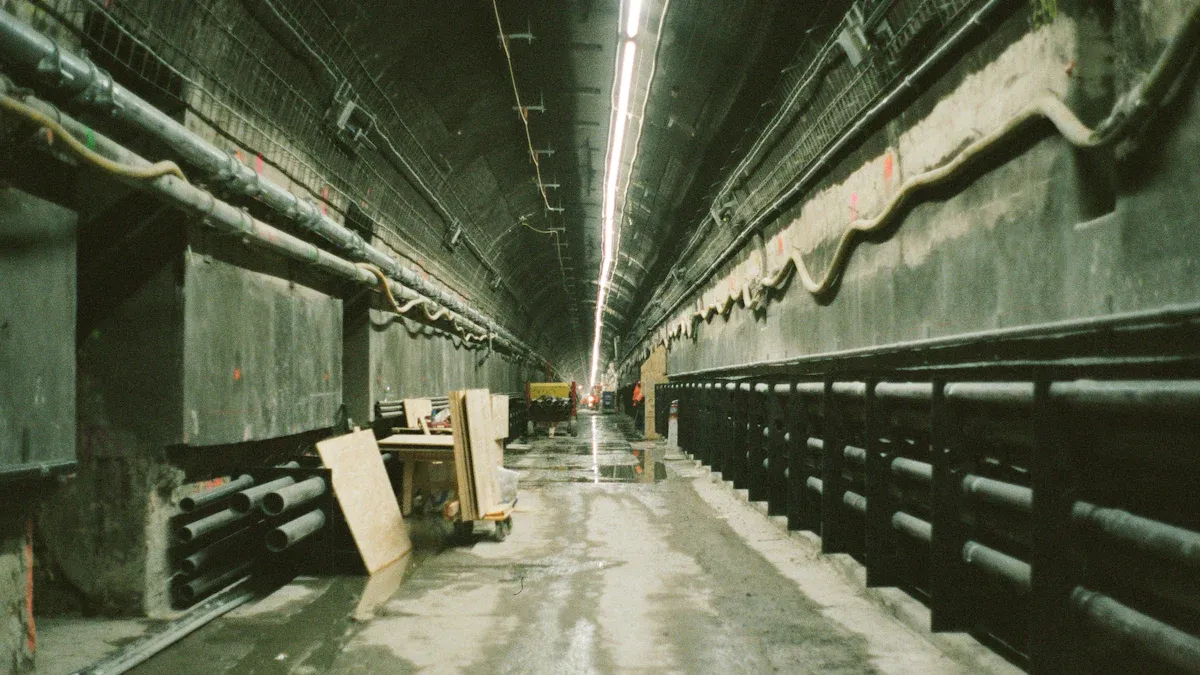
You want the best drainage pipes underground for 2026. Solid PVC pipes are popular for most homes as they effectively stop roots and leaks. However, you need to choose pipes that fit your soil, weather, and budget. In 2026, there are some exciting new trends in drainage pipes underground:
Higher-modulus pipe materials provide better support.
Pipes now have improved chemical and abrasion resistance.
New jointing systems are designed to help prevent leaks.
Spray-applied geopolymers are ideal for large projects.
Every choice is crucial for ensuring that your drainage pipes underground last a long time.
Key Takeaways
Pick solid PVC or HDPE pipes for underground drainage. These pipes last a long time. They stop roots from getting in. They can handle bad weather too.
Think about your soil and climate before choosing pipes. This helps pipes work better and last longer.
Always look at local building codes. Following rules keeps your drainage safe and working well.
Do not use weak materials like old hoses. Strong pipes stop leaks and clogs. This saves you money over time.
Plan for maintenance by adding cleanouts. Cleanouts help fix clogs easily. They keep your system working well.
Why Material Choice for Drainage Pipes Underground Matters
Longevity and Performance Factors
You want your drainage system to work for a long time. The pipe material you pick will decide how well it works. Some pipes, like pvc, stop leaks and root damage better than others. Each pipe type handles heavy weight and moving dirt in its own way. For example, cast iron pipes can break if something heavy sits on them. Pvc pipes can break if they bend too much. Clay pipes can crack easily, which causes leaks and clogs. You should think about these problems before you choose a pipe.
Here is a quick look at how some common pipe types compare:
Pipe Type | Durability | Installation Speed | Maintenance Requirements | Cost Impact |
|---|---|---|---|---|
Foam Core | Moderate | Fast | Low | Lower upfront costs |
Eco Drain | High | Moderate | Minimal | Balanced value |
Concrete | Variable | Slow | Higher over time | Higher overall costs |
Cost and Installation Issues
You also need to think about how much money and time you will spend. Concrete pipes need big machines and take more time to put in. This makes them cost more. Foam core pipes go in fast and cost less at first, but they might not last as long. If you want good value, eco drain pipes are a smart choice.
Maintenance and Environmental Impact
Taking care of your pipes is important. Some pipes, like clay, break easily and need more fixing. Pipes can get blocked by stuff that builds up inside, so you have to check them often. Concrete pipes can wear out in some soils, so they need more care. When you pick pipe materials, you can help the planet. Some new pipes use recycled stuff or last longer, so there is less waste.
Tip: Always pick pipes that fit your soil, weather, and how you will use them. This helps your drainage system last longer and work better.
PVC Drainage Pipes Underground: Pros and Cons
Advantages of Solid PVC
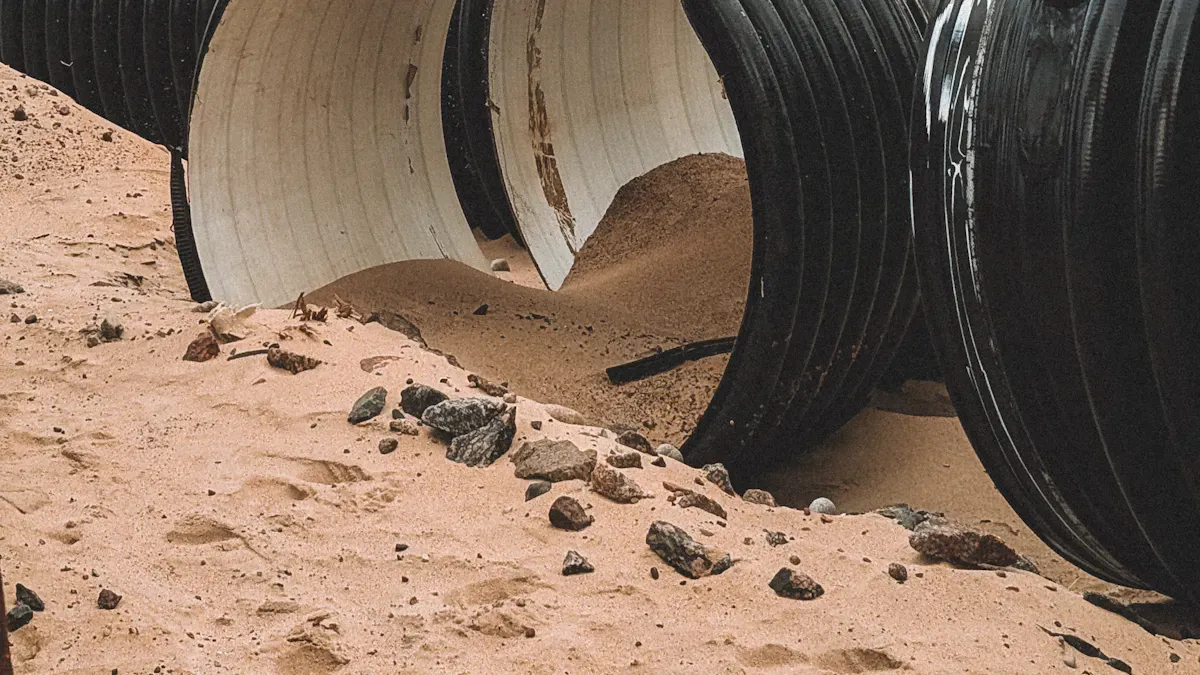
You want pipes underground that last and keep water away. Solid pvc pipes are good because they stop leaks and roots. These pipes work for most jobs under the ground. Pvc pipes stay strong even if the dirt moves or water rushes fast.
Here is a table with the main good things about solid pvc pipes:
Advantage | Description |
|---|---|
They do not break or get hurt easily. | |
Lifespan | Can last up to 100 years if put in right. |
Corrosion Resistance | They do not rust or let germs grow. |
Note: Solid pvc pipes help stop leaks and keep roots out. This makes your pipes underground work well for many years.
Disadvantages and Limitations
You should know the good and bad before picking pvc pipes. Solid pvc pipes have many good things, but also some problems.
Cost: Solid pvc pipes cost more than black corrugated pipes. You might pay more for your project.
Lack of flexibility: These pipes do not bend. You need extra parts and glue to turn corners.
Installation complexity: Putting in solid pvc pipes takes more time and skill than other pipes.
Tip: Foam core pvc pipes are not good for burying. Always use solid pvc pipes for pipes underground.
Think about these good and bad things when you pick pipes for your yard. If you want pipes that last long and do not leak much, solid pvc pipes are a good pick. Just remember they cost more and take more work to put in.
HDPE Drainage Pipes Underground: Pros and Cons
Strengths of HDPE and Corrugated Types
You might pick HDPE pipes for your drainage system. They are strong and can bend without breaking. HDPE means high-density polyethylene. There are two main kinds: solid and corrugated. Solid HDPE pipes are smooth inside and outside. Corrugated HDPE pipes have bumpy outsides but smooth insides. Both types help move water away from your house.
HDPE pipes are very strong. They can handle hard hits and heavy weight. Even after bad weather, they still work well.
You can see how HDPE stacks up against other pipes in this table:
Material | Flexibility | Crush Resistance | Durability |
|---|---|---|---|
HDPE | High | High | Excellent |
بولي كلوريد الفينيل | Moderate | Moderate | Good |
Concrete | Low | High | Very Good |
Metal | Low | Very High | Excellent |
HDPE pipes are a great pick for underground drainage. They do not rust or wear down easily. You can use them where other pipes might break. They last a long time, so you get good value for your money.
HDPE pipes bend without breaking and hold up under heavy things.
They stay strong even after tough weather.
People use HDPE pipes where other pipes do not work.
Weaknesses and Risks
You should know the problems before you choose HDPE pipes. Corrugated HDPE pipes can get blocked more than solid ones. Leaves, dirt, and roots can fill the bumps inside the pipe. If this happens, water cannot flow and may leak near your house. This can cause your basement to flood or wash away dirt near your home. It can even hurt your house’s base.
When pipes get blocked, water can spill out near your house. This can make your basement flood and damage your yard or house.
Many things can block pipes underground. One big reason is leaves and other stuff building up inside.
If roots get inside, it is very hard to fix. Most problems happen when pipes are not put in right. You should always make sure your pipes are installed the right way to avoid these issues.
When you look at the good and bad, HDPE pipes are strong and bendy. You need to watch for clogs and make sure you put them in right to get the best results.
Concrete Drainage Pipes: Pros and Cons
Benefits for Underground Use
You might pick concrete pipes if you want them to last many years. Concrete pipes are strong and can hold up heavy things. They do not break easily and keep working for a long time. These pipes stop roots and dirt from getting inside. This helps stop leaks and keeps your system safe. You do not need a lot of bedding under them, so putting them in is faster. Here are the main good things about concrete pipes:
Benefit Type | Description |
|---|---|
Lifespan | Reinforced concrete pipes can last for a lifetime when correctly installed. |
Load-Bearing | These pipes are designed to be load-bearing, requiring minimal bedding support. |
Durability | They are not easily breakable and can withstand high-pressure conditions. |
Root Intrusion | Concrete pipes do not allow for root or soil intrusion, enhancing their longevity. |
Concrete pipes help you worry less about fixing or changing them often. When you look at other pipes, concrete is stronger than clay and some other types.
Drawbacks and Challenges
You should know the hard parts before you choose concrete pipes. Putting in these pipes takes more work than other kinds. You have to dig deeper holes and move heavy pipes. This means you spend more time and money. It is harder to check and clean these pipes because they are buried. You need special tools to do this job. Leaves and other things can block the pipes and make repairs tough. If you live where it gets cold, the pipes can freeze if not buried deep. Tree roots can still get in and hurt the pipes. The ground can also move and crack the pipes.
Debris can block pipes and make fixing them hard.
You need special tools to check and clean pipes.
Putting in concrete pipes takes a lot of work.
Roots and moving dirt can break the pipes.
You need to think about the good and bad before you choose. Concrete pipes are strong and last a long time. But they are harder to put in and take care of. If you want pipes that last and do not mind extra work, concrete could be a good pick.
Clay Drainage Pipes: Pros and Cons
Strengths in Yard Drainage Systems
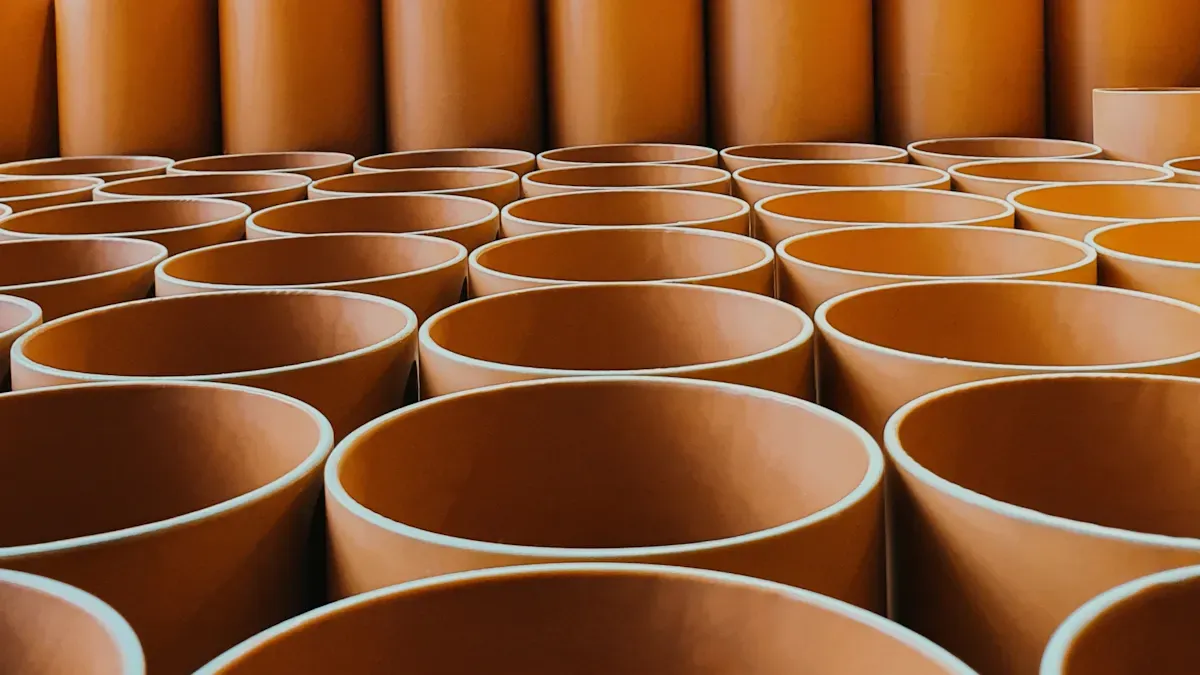
Clay drainage pipes are common in old homes and gardens. People have used them for a long time. These pipes can handle water moving through them. They also stand up to pressure from the ground. Clay pipes do not get hurt by chemicals in dirt or water. If you take care of them, they can last for many years. Gardeners like clay pipes because they do not react with things like fertilizer or soil treatments.
Here is a table that shows how clay pipes compare to newer pipes:
Material | Strengths | Weaknesses |
|---|---|---|
Clay Tile | Chemical resistance, long-lasting | Brittle, prone to cracking, root invasion |
PVC/HDPE | Durable, flexible, resistant to environment | N/A |
Clay pipes are good at fighting off chemicals and can last a long time. You might want them if you like old-style drainage systems.
Weaknesses and Maintenance Needs
You should know the problems before picking clay pipes. These pipes can break if you drop them or if the ground moves. Roots can get into the joints and block the pipe. Clay pipes are heavy, so it is hard to move and put them in. You have to line up each pipe just right, which takes more time and money. The joints can come apart or move, letting water out or dirt in.
Here are some common problems and things you need to check:
Joints coming apart or moving
Cracks and breaks in the pipe wall
Water getting in or out where it should not
Pipes sagging or dipping
You need to check clay pipes often for leaks and clogs. If you see roots or cracks, you should fix them fast. Clay pipes are heavy and hard to put in, so people use them less now. You might want a newer pipe if you want something easier to install and take care of.
Cast Iron and Steel Drainage Pipes: Pros and Cons
Durability and Performance
You might pick cast iron or steel pipes for drains underground. These pipes have been used in homes and buildings for a long time. Cast iron pipes are tough and can handle water moving through them. They do not bend or break easily. Steel pipes are also strong, but they can rust or get damaged as time goes by. Both types can hold up heavy dirt or cars above them. But cast iron pipes can sink if the ground is soft. This can make them crack or leak. Steel pipes can bend if the ground moves. You should check these pipes often to make sure they are still good.
Here is a table that shows how strong and tough these pipes are:
Material | Durability and Performance |
|---|---|
Cast Iron | Known for its proven durability and longevity, able to withstand constant water flow without bending or breaking. However, it is susceptible to corrosion and can sink over time, leading to potential cracking and leaks. |
بولي كلوريد الفينيل | Lightweight and flexible, allowing it to move with the earth’s foundation without cracking. However, it can be more susceptible to breaking under strong external forces. |
Tip: Cast iron pipes last a long time, but you need to check for cracks and leaks if the ground moves.
Cost and Corrosion Issues
You should think about price and rust before picking cast iron or steel pipes. Cast iron pipes cost more than PVC pipes. They are heavy and hard to put in, so workers charge more. Steel pipes also cost more than plastic pipes. If you want to save money, you might like PVC or HDPE pipes better.
Cast iron pipes cost more than PVC pipes because they are heavier and harder to install.
The heavy weight of cast iron means you pay more for workers to put them in, while PVC is lighter and cheaper to install.
Cast iron pipes can rust, especially in clay soil, and this can cause leaks or even pipe bursts.
PVC pipes do not rust, so they last longer in some places.
You need to check cast iron and steel pipes for rust and damage. If you live where the dirt is clay, rust can happen faster. This can make pipes leak or break. You can use special covers to help protect steel pipes, but you still need to look at them often.
Note: If you want pipes that do not rust, you might pick PVC or HDPE instead of cast iron or steel.
You should think about the good and bad things about cast iron and steel pipes. They are strong and last a long time, but they cost more and need more care. Newer pipes might work better for your yard drains.
Comparing Durability and Performance
Durability of Each Material
You want your drainage pipes underground to last a long time. The material you pick decides how strong your pipes are. It also affects how well they handle weather and other things outside. Look at this table to compare different pipe materials for durability, cost, installation, and maintenance:
Material | Durability | Cost | Installation | Maintenance |
|---|---|---|---|---|
Solid PVC | High (up to 100 years) | Moderate | Moderate (needs careful joining) | Low (resists roots and leaks) |
HDPE (Solid) | Excellent | Moderate | Easy (flexible, fewer joints) | Low (resists roots, easy to clean) |
HDPE (Corrugated) | Good | Low | Very Easy (lightweight, flexible) | Moderate (can clog at ridges) |
Concrete | Very High | High | Hard (heavy, needs machines) | Moderate (can crack, hard to repair) |
Clay | Moderate | Moderate | Hard (heavy, fragile) | High (prone to cracks and roots) |
Cast Iron | High | High | Hard (heavy, needs skill) | Moderate (can rust, needs checks) |
Steel | Moderate | High | Hard (heavy, needs protection) | High (rusts, needs coating) |
Solid PVC and HDPE pipes are strong and need little care. Concrete pipes last a long time but are harder to put in and fix. Clay and steel pipes break or rust more often and need more work.
Tip: If you want pipes underground that last and need little fixing, solid PVC or HDPE are good picks for most homes.
Performance in Different Conditions
You need to think about where your pipes will go underground. Each pipe material works best in certain places and situations. Here are some common places and which pipes do well:
High-load areas (like under driveways or roads):
Concrete pipes are strong and hold heavy weight. Cast iron pipes also work well here.
Solid PVC and HDPE can work if you bury them deep and use the right bedding.
Root-prone environments (yards with many trees or bushes):
HDPE pipes keep roots out very well. Solid PVC also stops roots.
You can use chemical treatments, like copper sulfate, to keep roots away from your pipes.
Chemically aggressive soils (soils with lots of salt or acid):
HDPE and clay pipes resist chemicals better than metal pipes.
Concrete pipes can wear down in harsh soils unless you use special coatings.
Areas with shifting soil or freeze-thaw cycles:
HDPE and solid PVC bend with the ground and do not crack easily.
Clay and concrete pipes can crack if the ground moves a lot.
Places where you want easy installation:
Corrugated HDPE pipes are light and easy to lay, even in tight spaces.
Solid PVC is also easy to handle but needs careful joining.
Note: Always pick pipes that fit your yard’s needs. Think about tree roots, soil type, and how much weight will press down on your pipes.
HDPE pipes work well in tough spots, especially where roots or chemicals are a problem. Solid PVC is good for most homes and keeps leaks away. Concrete and cast iron are best for heavy loads, but they are harder to put in and take care of.
Choosing the Right Material for Yard Drainage Systems
Assessing Project Needs and Soil
You need to start by looking at your yard and the type of project you have. Every yard is different. Some have heavy clay soil, while others have sandy or rocky ground. The soil type changes how pipes work and how long they last. If you have clay soil, you need pipes that resist root growth and do not crack easily. Sandy soil drains water fast, so you want pipes that can handle shifting dirt.
Here are some key factors to check before you choose a pipe:
Durability: Some pipes last longer than others. PVC and HDPE pipes can last many years. Clay and steel pipes may break or rust sooner.
Root Resistance: Roots from trees and bushes can break into pipes. PVC and HDPE pipes stop roots better than clay or concrete.
Installation Depth: You must bury pipes below the frost line if you live in a cold place. This keeps them from freezing and breaking.
Proper Slope: Pipes need a good slope so water flows out and does not sit in the pipe. This helps stop clogs and keeps your system working.
You also need to think about what you want your drain and sewer system to do. If you need to move a lot of water, pick pipes with a smooth inside. Smooth pipes, like solid PVC, help water flow fast and stop clogs. Corrugated pipes can trap leaves and dirt, which can block water.
Here is a table to help you compare two common pipe types for yard drainage:
Factor | PVC Pipes | ADS Pipes |
|---|---|---|
Material and Durability | Rigid and highly durable; resists wear and tear. | Lightweight and flexible; easier to install but may not withstand heavy loads as well. |
Water Flow and Clogging | Smooth interior ensures excellent water flow; reduces clogging. | Corrugated design can trap debris, leading to potential blockages. |
Cost and Installation | More expensive and labor-intensive to install. | Cost-effective and lightweight, making installation simpler. |
Tip: Always check your soil and project needs before you buy pipes. This helps you pick the right material for your yard drainage systems.
Climate, Budget, and Long-Term Value
You must also think about your local weather and how much money you want to spend. Cold places with freeze-thaw cycles can break pipes that are not strong or flexible. Pipes like HDPE and solid PVC bend with the ground and do not crack easily. Concrete and clay pipes can break if the ground freezes and thaws a lot.
The table below shows how climate affects your choice:
Key Factors | Description |
|---|---|
Freeze-thaw loads can impair the integrity of underground drainage systems, so you need materials that can handle stress. | |
Material Properties | Pipes with high thermal conductivity and strong joints last longer in tough climates. |
Design Considerations | Good design helps pipes last longer, especially in places with harsh weather. |
You also need to balance cost and long-term value. Some pipes cost less at first but need more repairs later. Others cost more but last longer and need less fixing. Here is a table to help you compare:
Pipe Material | Initial Cost | Long-term Value |
|---|---|---|
بولي كلوريد الفينيل | Low | High |
HDPE | Moderate | High |
Cast Iron | High | Moderate |
Clay | Moderate | High |
Steel | High | Moderate |
You should also make sure your pipes meet local building codes. Pipes must follow rules to keep your system safe and working well. Always check that your pipes meet industry standards before you buy.
Pick pipes that match your climate and soil.
Think about how much you want to spend now and in the future.
Make sure your pipes follow local codes and standards.
Note: If you want help picking and buying the right pipes, you can use a one-stop platform like ruisong. This makes it easy to find quality underground drainage pipe materials for your project.
Recommendations and Tips
Best Choices for Common Scenarios
You want to pick the right underground drainage pipe for your project. The best choice depends on where you plan to use the pipe and what you need it to do. Here are some top options for 2026:
PVC pipes work well for most homes and businesses. They last a long time, resist roots, and keep water moving. You will find them easy to handle during installation.
Copper pipes stand up to corrosion. You might use them for special jobs, like hot water drainage, but they cost more than other types.
Corrugated plastic pipes are light and flexible. You can use them in gardens or fields where the ground moves a lot. They help with quick projects and are easy to move.
You should always match the pipe to your soil, weather, and how much water you need to move. This helps you save on cost and avoid problems later.
Mistakes to Avoid
Many people make mistakes when picking or putting in drainage pipes. You can avoid these problems if you know what to watch for:
Do not use weak materials like old hoses. Choose strong pipes such as HDPE or PVC for underground work.
Always add cleanouts. Without them, you will have a hard time with maintenance if a clog happens.
Watch out for tree roots. Roots can break into pipes and block water. Use root barriers or pick pipes that resist roots.
Pick the right pipe size. Pipes that are too small can cause flooding.
Make sure your pipes have the right slope. Water needs to flow downhill to stop blockages.
Tip: Good planning and the right materials help your drainage system last longer and work better.
You can pick from many underground drainage pipes in 2026. New systems help spread water pressure and stop clogs. Plastic pipes like HDPE and PVC are strong and save money. They work well for most projects. Always check the pipe’s pressure rating and how it handles UV and chemicals. Make sure it can hold heavy loads. If you need more help, use these resources:
Organization/Resource | Description |
|---|---|
Water Environment Federation (WEF) | Manuals about wastewater and stormwater management. |
AMPP | Resources for protecting materials and making them last. |
ASCE | Guidelines for civil engineering and drainage. |
AWWA | Standards for water management and drainage. |
FAQ
What is the best pipe for underground drainage in 2026?
You should choose solid PVC or HDPE pipes for most homes. These pipes last long, resist roots, and handle tough weather. Always match the pipe to your soil and climate.
Can you use corrugated pipes underground?
You can use corrugated HDPE pipes for quick jobs. They are light and easy to install. However, they may clog more easily than smooth pipes. Use them for gardens or places with less water flow.
How deep should you bury drainage pipes?
You should bury most drainage pipes at least 12 to 24 inches deep. In cold areas, bury pipes below the frost line to prevent freezing. Always check local codes for exact depth.
How do you stop roots from getting into pipes?
You can use root-resistant pipes like solid PVC or HDPE. Add root barriers near trees. Clean pipes often to catch problems early.