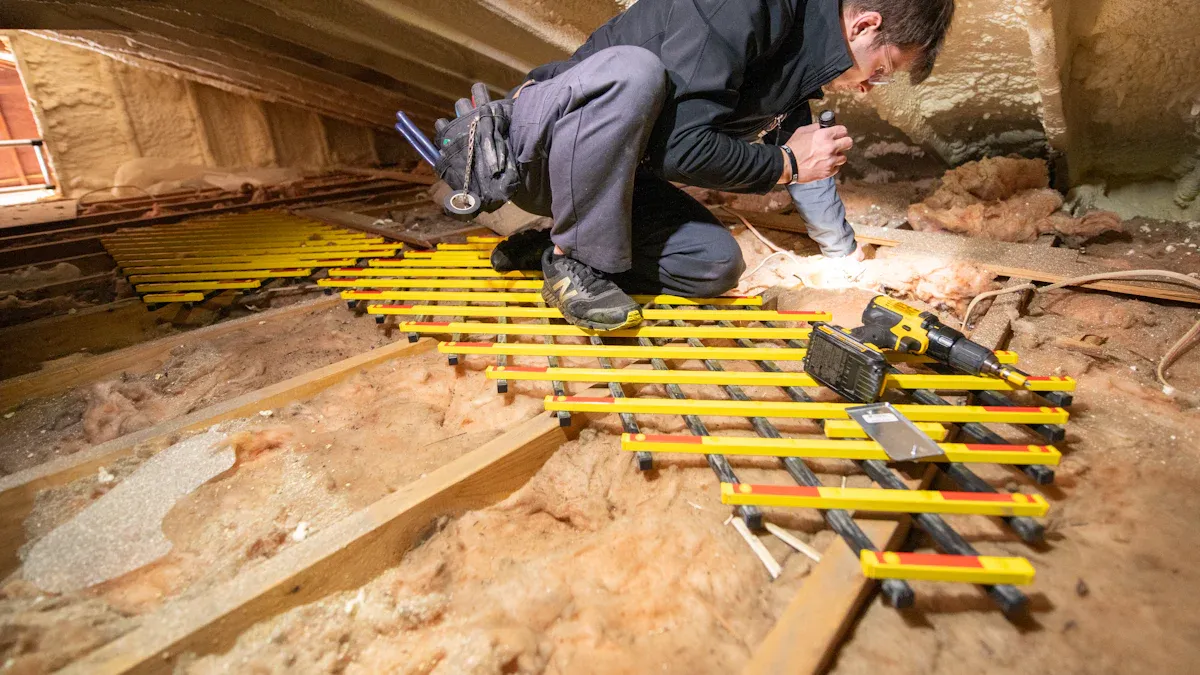
You want your home to feel warm while also saving money. In 2026, hot water radiant floor heating systems are a top choice for achieving both goals. These systems utilize water to carry heat, making them more energy-efficient than traditional forced-air heating. As a result, you will pay less for utilities since radiant heat spreads evenly through the floor, warming your rooms consistently. Hydronic radiant floor heating can also be integrated with renewable energy sources, making it an excellent option for environmentally conscious individuals. Brands like ruisong build offer innovative pex pipe solutions and a variety of Products for Procurement. If you’re interested, you can Get a Free Quote to see how these radiant systems can meet your comfort and installation needs.
Wichtige Erkenntnisse
Hydronic radiant floor heating systems use water to heat rooms. They give steady warmth and use less energy than regular heaters.
These systems can help homeowners save 20-40% on heating bills. This means you can save a lot of money over time.
Hydronic systems are best for big rooms and new homes. They keep the air comfy and do not make dust or noise.
Picking the right flooring, like tile or thin hardwood, helps radiant heating work better. It also makes your home feel more comfortable.
Think about your home’s size, layout, and climate before choosing a radiant heating system. This helps you get the best performance and value.
Hot Water Radiant Floor Heating Systems Overview
How Hydronic Radiant Heating Works
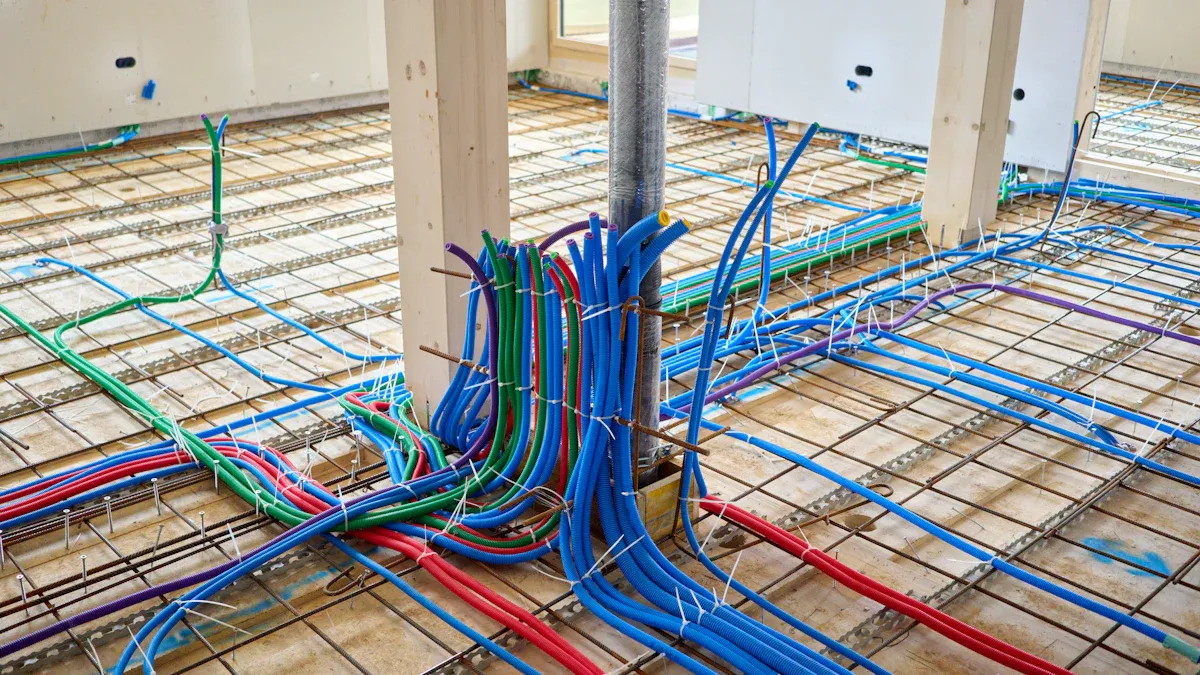
Hydronic radiant heating keeps your home warm all the time. Pipes are placed under the floor. Hot water moves through these pipes. The heat spreads out across the room. You feel cozy because the warmth comes from the floor. Forced-air systems blow air and can stir up dust. Hydronic floor heating does not do this. It is quiet and keeps the air clean.
Hydronic radiant heating is different from electric systems. Here are the main differences:
Hydronic radiant floor heating systems use hot water in pipes to heat your space.
Electric radiant floor heating uses heating cables or mats under the floor to produce warmth.
Hydronic systems work best for whole-home heating and new builds.
Electric systems suit smaller areas and offer zoned control.
Hydronic radiant heating gives steady comfort. You can use many energy sources with it, like solar or heat pumps. This makes it a smart choice for modern homes.
Types of Radiant Floor Heating Systems
There are different ways to heat your floors. The main types are hydronic and electric radiant systems. Hydronic floor heating uses water. Electric systems use wires. Hydronic heated floor systems are good for big spaces and whole homes. Electric radiant systems are better for single rooms or renovations.
Hydronic systems are very efficient. Look at the table below:
Besonderheit | Hydronic Heating Efficiency |
|---|---|
Heat Transfer Efficiency | Transfers up to 95% of the heat generated by the boiler to the home. |
Potential for Higher Efficiency | Efficiency could increase further with low water temperatures. |
Hydronic heating helps you save money. Many homeowners save hundreds of dollars each year. You get comfortable and efficient heating for large areas. In-floor heating works with tile, wood, and concrete floors. You can have radiant warmth in almost any room.
Tipp: Hydronic radiant floor heating systems are best for new construction or big renovations. You get long-term value and lower costs.
Quick Comparison Table
Key Specs and Features
When you check hydronic radiant floor heating systems, you want to see what makes each brand different. Here are some important things you will notice in the best systems:
Flexible PEX pipes move warm water under your floor. These pipes work with tile, wood, or carpet floors.
You can hook up the system to many heat sources. It works with a boiler or a hot-water heater.
Hydronic systems move heat much better than air. Water carries heat 3,500 times more than air does.
You get steady warmth even with lower thermostat settings. This helps you save money on your energy bills.
Some brands, like Warmup, have panels that heat up fast and are simple to put in.
Warmboard systems have sold über 40 million square feet. This shows that many people trust these systems.
Complete heating solutions, like the Warmboard Comfort System™, give you everything you need in one box.
Performance and Value Ratings
The table below lets you compare the top brands. You can see how each system does in cost, energy use, Komfort, and warranty.
Marke | Kosten (Installed) | Energieeffizienz | Comfort Level | Garantie | Best For |
|---|---|---|---|---|---|
ProWarm | $$ | Hoch | Exzellent | 30 Jahre | Medium to large rooms |
Warmup | $$$ | Sehr hoch | Superior | Lifetime | Whole homes, fast heat |
Ruisong-Bau | $ | Hoch | Sehr gut | 25 Jahre | Budget projects, new builds |
Uponor | $$$ | Sehr hoch | Exzellent | 25 Jahre | Large homes, renovations |
Notiz: ProWarm and Ruisong Build are good for medium or big rooms. Warmup and Uponor work best for whole homes or big remodels. If you want the best deal, think about your room size and how much comfort you want before you pick a system.
Top Hydronic Radiant Floor Heating Brands
Ruisong Build One-Stop Platform
You want a system that does everything you need. Ruisong Build gives you many parts in one package. You get flexible PEX pipes, strong manifolds, and smart controls together. This brand makes it easy to install in new homes or big remodels. You can use their products with many boilers or heat pumps. Ruisong Build works well for people who want to save money.
Performance and Energy Efficiency:
Ruisong Build uses good materials to help you save energy. The pipes move heat fast and spread it evenly. Your feet feel warm when you walk on the floor. The system keeps your rooms at the same temperature. You do not have to worry about cold spots.
Installation and Operating Costs:
Ruisong Build costs less to put in than most other brands. The system is simple to set up, So sparen Sie Zeit und Geld. It uses water well, so your bills stay low.
Pros:
Most people can afford it
Easy to install
Good for big spaces and new homes
Works with many energy sources
Cons:
Not as many smart features as expensive brands
Fewer design choices for tricky rooms
Ideal Applications:
Pick Ruisong Build for new homes, cheap remodels, or if you want a system that works well and does not cost a lot.
ProWarm Hydronic Systems
ProWarm gives you both value and good performance. This system fits medium or big rooms. ProWarm uses strong PEX pipes and good manifolds. The heat spreads out across your floors. You can use it with tile, wood, or carpet.
Performance and Energy Efficiency:
ProWarm systems save energy. You can turn down the thermostat and still feel warm. The system works with new boilers and renewable energy. You get steady heat and no cold drafts.
Installation and Operating Costs:
ProWarm costs a fair amount to install. You pay a normal price for parts and work. The system does not need much fixing. You save money on energy over time.
Pros:
Saves energy in medium and big rooms
Strong and reliable parts
Works with many floor types
Good warranty
Cons:
Not the cheapest system
May need a pro to install it right
Ideal Applications:
Pick ProWarm for family homes, add-ons, or if you want comfort and value.
Warmup Hydronic Systems
Warmup is known for its smart technology and comfort. The system heats up fast and keeps your home cozy. Warmup is best for whole homes, fancy spaces, and cold places.
Performance and Energy Efficiency:
Warmup systems give you great comfort and save energy. You get even heat in every room. The system works with smart thermostats and fits new homes or big remodels.
Installation and Operating Costs:
It usually costs $6 Zu $12 for each square foot.
If you add a special tank for hot water, it costs $4,500 Zu $7,000.
The system comes with a tank that lasts a long time and works well.
Warmup works well in fancy homes. It is also good for cold places where you need strong heat.
Pros:
Very comfortable and heats up fast
Lifetime warranty on many parts
Can fit any project
Great for luxury homes
Cons:
Costs more to put in
Too much for small rooms
Ideal Applications:
Pick Warmup for whole homes, fancy remodels, or if you want the best comfort and technology.
Uponor Radiant Heating
Uponor is a trusted name in floor heating. The system works well for big homes and tricky remodels. Uponor uses advanced PEX pipes and smart controls. The system gives you gentle, even heat everywhere.
Performance and Energy Efficiency:
Uponor systems save a lot of energy. You can use them with solar or heat pumps. The system keeps your home warm and does not use much energy.
Installation and Operating Costs:
Uponor costs more to put in, but it lasts a long time. The system needs little fixing. You save money on heating over the years.
Pros:
Great for big homes and tricky rooms
High-quality parts and controls
Works with many energy sources
Good warranty and help
Cons:
Costs more at first
May need a pro to install
Some problems are airlocks, pump issues, and boiler errors. Airlocks can stop water and make cold spots. Pump problems can cause uneven heat or noises. Boiler errors can stop some rooms from heating.
Ideal Applications:
Pick Uponor for big homes, major remodels, or if you want a top hydronic system.
Tipp: All hydronic radiant floor heating systems can have problems like valve issues or airlocks. You can stop most problems with regular checks and good installation. If you see cold spots or uneven heat, look for air in the pipes or pump trouble.
Cost Breakdown and Energy Efficiency
Installation Costs per Square Foot
You need to know how much hydronic radiant floor heating costs to install. Materials usually cost between $6 Und $12 per square foot. When you add labor and professional installation, the price rises to $10–$20 per square foot. If you want to heat your whole house, a 2,000 square foot system can cost from $20,000 Zu $40,000. This includes the boiler, Pumps, controls, and installation. The total cost can change if you choose special flooring or extra features.
System Size (sq ft) | Materialkosten | Installed Cost |
|---|---|---|
100 | $600-$1,200 | $1,000-$2,000 |
500 | $3,000-$6,000 | $5,000-$10,000 |
2,000 | $12,000-$24,000 | $20,000-$40,000 |
Tipp: Hydronic floor heating works best for larger spaces. You get more value when you install it in big rooms or whole homes.
Operating Costs and Break-Even Points
You want to know the cost to run heated floors. Hydronic systems use water to carry heat, which lowers your energy bills. The break-even point for hydronic systems is about 200 square feet. Above this size, hydronic radiant heating becomes more cost-effective than electric systems. You pay less to run the system each month, especially in cold climates or well-insulated homes.
Hydronic systems offer lower operating costs for spaces over 200 sq ft.
You save money on heating bills compared to electric radiant systems.
The cost to run heated floors drops as your system size increases.
Long-Term Value and Savings
Hydronic radiant floor heating gives you strong energy efficiency and long-term savings. You can expect to save 20–40% on heating costs compared to forced air systems. Zum Beispiel, a 2,400 sq ft home in Iowa lowered heating costs from $1,800 Zu $1,200 per year. That means $600 in annual savings. The higher upfront cost pays off over time. You recover your investment as you enjoy lower bills and steady comfort.
Hydronic systems help you save money every year.
You get reliable heating and better comfort.
The value grows as you use the system longer.
Notiz: Your savings depend on your climate, insulation, and the efficiency of your current heating system. Hydronic floor heating is a smart choice for homeowners who want comfort and value.
Benefits and Drawbacks of Hydronic Radiant Heating
Comfort and Heat Distribution
Hydronic radiant floor heating makes your room feel cozy everywhere. The heat spreads under your feet, so you do not feel cold spots. It does not blow air or stir up dust like forced-air systems. You get quiet warmth that stays steady.
Studies show hydronic systems keep floors warm and lose less heat. The Journal of Energy Storage found these systems can lower heat flow by up to 23.29%. Your floors stay warm, and you save energy.
Study Source | Erkenntnisse |
|---|---|
Journal of Energy Storage | 8.93%–23.29% reduction in heat flow with hydronic systems; steady warmth |
Hydronic systems use water to spread heat better than air.
You get steady temperatures and pay less for heating.
Hydronic floor heating feels more comfortable than forced air.
Maintenance and Reliability
Hydronic radiant floor heating lasts a long time and needs little care. PEX tubing can last 50 years or more. Some systems work for up to 100 years with little upkeep. The boiler and pump usually last 15 Zu 20 years if you take care of them. You should have a professional check your boiler once a year.
PEX tubing lasts 50–100 years and needs almost no maintenance.
Boiler and pump last 15–20 years with regular care.
Annual boiler checks keep your system working well.
You spend less time fixing things and more time enjoying warm floors.
Umweltauswirkungen
Hydronic radiant floor heating is good for the environment. Water moves heat better than air, so you use less energy. This means lower carbon emissions and less wasted energy. In-floor heating does not use ducts, so you avoid dust and allergens. You also keep natural humidity levels, which helps you stay healthy.
Aspekt | Hydronic Systems | Forced-Air Systems |
|---|---|---|
Energieeffizienz | 70–80% | |
Carbon Emissions | Untere | Höher |
Air Quality Issues | NEIN | Ja |
Heat Loss Through Ducts | N / A | Ja |
Noise Level | Ruhig | Noisy |
Hydronic systems make indoor air better and are quiet.
You can use renewable energy with radiant floor heating.
In-floor heating lowers your impact on the planet and gives your home many benefits.
Tipp: If you want even comfort, save energy, and help the planet, hydronic radiant heating is a smart choice.
Best Applications and Room Suitability
Whole-Home vs. Single Room Use
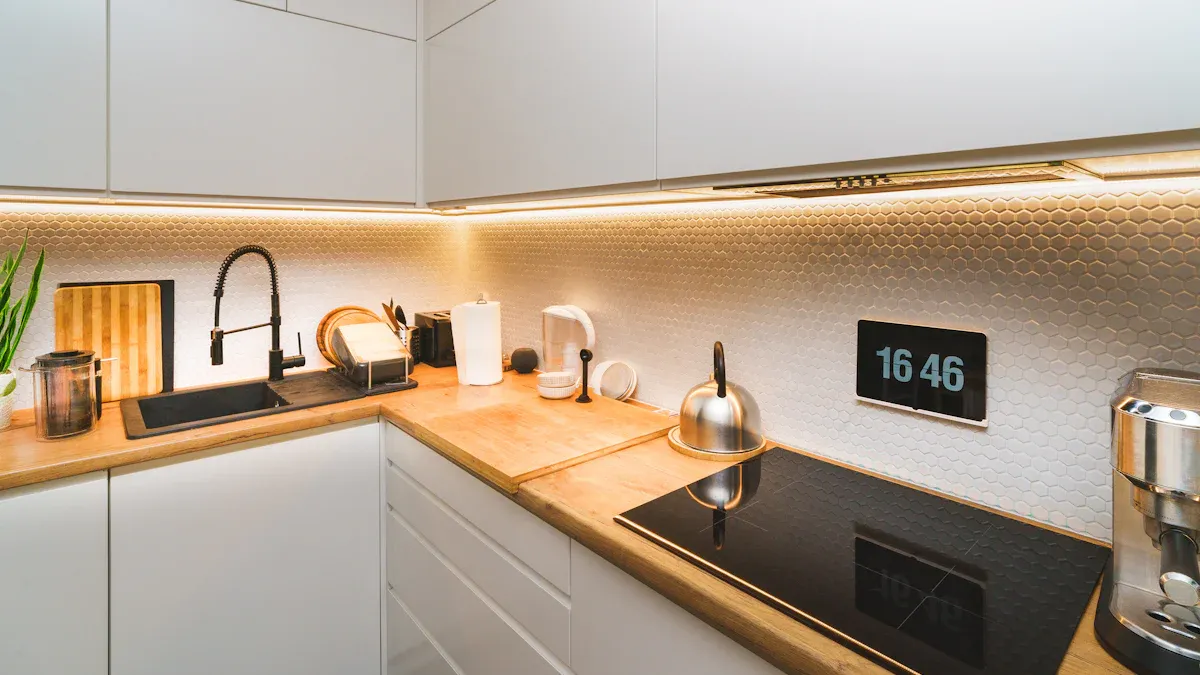
Radiant floor heating can go in many rooms. Some people use it everywhere in their house. Others put it in just one or two rooms. If you want warmth in every room, you can install radiant systems all over your home. This is good for new homes or big remodels. You get steady heat in each room. Your energy bills stay low.
Experts say some rooms get the most benefit. You feel the biggest change in these places:
Kitchens
Living areas
Bathrooms stay warm under your feet, even on cold days. Kitchens feel nice for cooking and spending time with family. Living rooms are cozy all year. You can also use radiant heating in bedrooms, basements, or sunrooms. For small rooms, you get quick warmth and easy control.
Tipp: Wenn Sie Geld sparen möchten, start with radiant heating in the rooms you use most. You can add more zones later if you like how it works.
Flooring Compatibility
You need to pick the right floor for your radiant system. Some floors work better than others. Tile and thin hardwood give you the best results. These floors let heat move up fast and keep your feet warm. Carpet and thick engineered wood need hotter water, so they are less efficient.
Here is a quick look at how different floors work with radiant heating:
Flooring Material | Compatibility with Radiant Heating |
|---|---|
Ceramic Tile | |
Natural Stone | Exzellent; retains warmth well. |
Engineered Hardwood | Gut; must be rated for radiant systems. |
Luxury Vinyl Plank | Generally compatible with low-temperature systems. |
Carpet | Possible; low-pile options recommended. |
Tile and concrete floors spread heat very well. Engineered wood works if it is made for radiant heating. Vinyl and linoleum can work if the maker says they are safe. Carpet acts as an insulator, so thin carpet is better.
Notiz: Always check with your flooring supplier to make sure your choice matches your radiant system. The right floor helps you get the most comfort and energy savings from in-floor heating.
Choosing the Right Radiant Floor Heating System
Home Size and Layout
Think about how big your house is and how it is set up before you pick a radiant floor heating system. Big houses often need zoning. Zoning means you can set different temperatures in each area. This helps you save energy and feel comfortable. If your house is open, heat moves around easily. If rooms are closed off, you need to plan more. It is easier to put in new homes. Old homes can be harder and cost more to upgrade.
Here is a table that shows how these things matter:
Faktor | Influence on Hydronic Heating Effectiveness |
|---|---|
Large homes benefit from zoning for custom heating | |
Home Layout | Easier in new homes; retrofits can be complex and costly |
Flooring Material | Tile and stone work best; thick carpet lowers efficiency |
Tipp: If your house is big, plan your zones. This gives you better control and comfort.
Budget and Long-Term Value
Set your budget before you start. Hydronic radiant heating systems cost more at first, but you save money later. The price depends on how you put it in and what boiler you pick. Here is a quick look at the costs:
Installation Method | Cost per Square Foot |
|---|---|
Typical Installation | |
Hydronic (Water-Based) | $12 – $30 |
Boiler Cost Range | Kosten |
|---|---|
Required Boiler | $3,000 – $10,000+ |
You pay more at the start, but your heating bills go down for years. This makes radiant floor heating a smart choice for many families.
Climate and Energy Source
Your weather matters when you pick a radiant floor heating system. Cold places need steady heat. Hydronic systems work best in cold areas. If you live where it is not very cold, you may not need as much heat. Warm places may not get enough value from radiant floors.
See how climate changes how well it works:
Climate Zone | Performance Impact |
|---|---|
Greatest efficiency; steady heating needs | |
Mäßig (Zones 4-5) | Good efficiency with proper sizing |
Warm (Zones 1-3) | Minimal heating needs; may not justify installation |
You should also think about what energy you use. Hydronic systems can use gas, electric, or even solar power. This gives you more ways to save energy.
Notiz: Pick a system that matches your weather and energy source for the best results.
You want the top hot water radiant floor heating for your house. Warmup and Uponor are good for big homes and remodels. Ruisong Build is best if you want to save money or build new. ProWarm works well for family rooms and gives strong heat. Think about how much it costs to put in, how much energy it uses, and how big your rooms are before picking. Hydronic systems spread heat evenly and are quiet. They can also make your house worth more. Check the table and read reviews to help you pick the best system for you.
Mistake | Beschreibung |
|---|---|
High Installation Cost | Many people forget about the high price to set it up. |
Wartungsbedarf | You need to check your system often to keep it working. |
Hydronic systems last a long time and help the air in your home.
You get steady heat and save money as years go by.
FAQ
How long does hydronic radiant floor heating last?
Hydronic radiant floor heating can last over 50 Jahre. PEX tubing stays strong for a very long time. Boilers and pumps work well for 15 Zu 20 Jahre. You need to take care of them regularly.
Can you install hydronic radiant heating in an existing home?
You can put hydronic radiant heating in an old home. Sometimes you must lift the floors or add new layers. Experts can help you plan what works best for your house.
What flooring works best with hydronic radiant heating?
Tile and stone floors move heat fast. Engineered hardwood and luxury vinyl planks also work well. Thin carpet can be used, but thick carpet is not as good. Always ask your flooring supplier if your floor matches the system.
Is hydronic radiant heating safe for children and pets?
Hydronic radiant heating is safe for kids and pets. Pipes are hidden under the floor. There are no hot surfaces or sharp edges. The heat spreads gently, so your home stays safe and cozy.