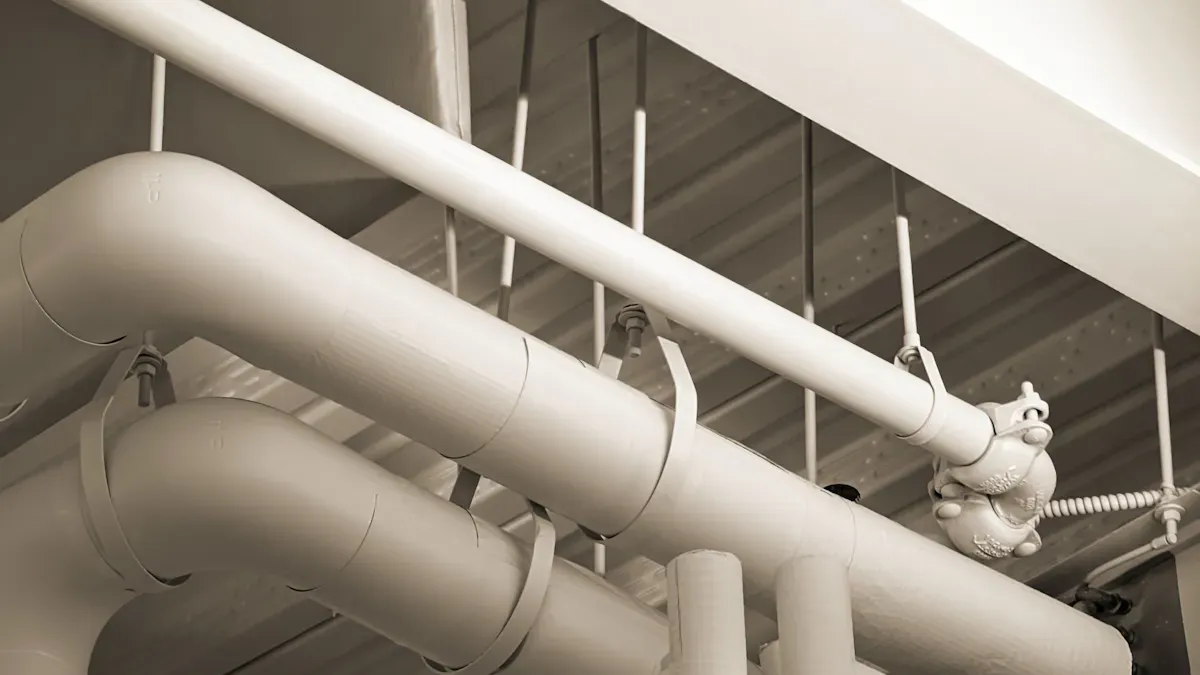
Pipe Fittings help you connect, stop, or change the direction of pipes in your industrial system. You depend on them for safe, efficient, and leak-free operation. If you choose the right fitting and install it well, your system works better and lasts longer. You find many types for different needs, including:
Elbows
Tees
Reducers
Couplings
Unions
Crosses
Caps and Plugs
You can select from materials like steel, copper, or plastic. Für One-Stop Sourcing, Contact Us Zu Get a Free Product Catalog.
Wichtige Erkenntnisse
Wählen Sie das aus correct pipe fittings to keep your system safe and working well. Check and take care of your fittings often to stop leaks and help them last longer. Use materials that fit your system so they do not rust or break. Install fittings the right way to make sure they are tight and do not leak. Learn about the types of fittings and what they do so you can choose the best ones.
What Are Pipe Fittings?
Definition and Role
Sie verwenden pipe fittings to join pipes together. They also help you make pipes longer or change their direction. These parts come in many shapes and sizes. Each type solves a different problem. Manchmal, you need to connect pipes with different sizes. Other times, you need to stop the flow at the end. Pipe fittings help you build a system that fits your needs. You can find them in almost every industrial plant. They are used in places like factories and power stations.
Tipp: Always use the right fitting for the pipe’s material and size. This helps you make a strong and safe connection.
Importance in Industrial Systems
Pipe fittings are very important for safety and efficiency. When you pick the right fittings and put them in correctly, you protect your system. Here are some ways pipe fittings help you:
Sie stop leaks and spills. This keeps your workplace safe and protects nature.
They help avoid pressure problems. This stops accidents and keeps things working.
They help stop corrosion and erosion. This makes your pipes last longer and stops leaks.
They help with insulation and heat control. This keeps things at safe temperatures and stops heat damage.
You need pipe fittings to keep your system working well. Good fittings help you avoid expensive repairs and lost time. They also make it easier to check, clean, or change parts when you need to. When you know what pipe fittings do, you can make better choices for your system.
Types of Pipe Fittings
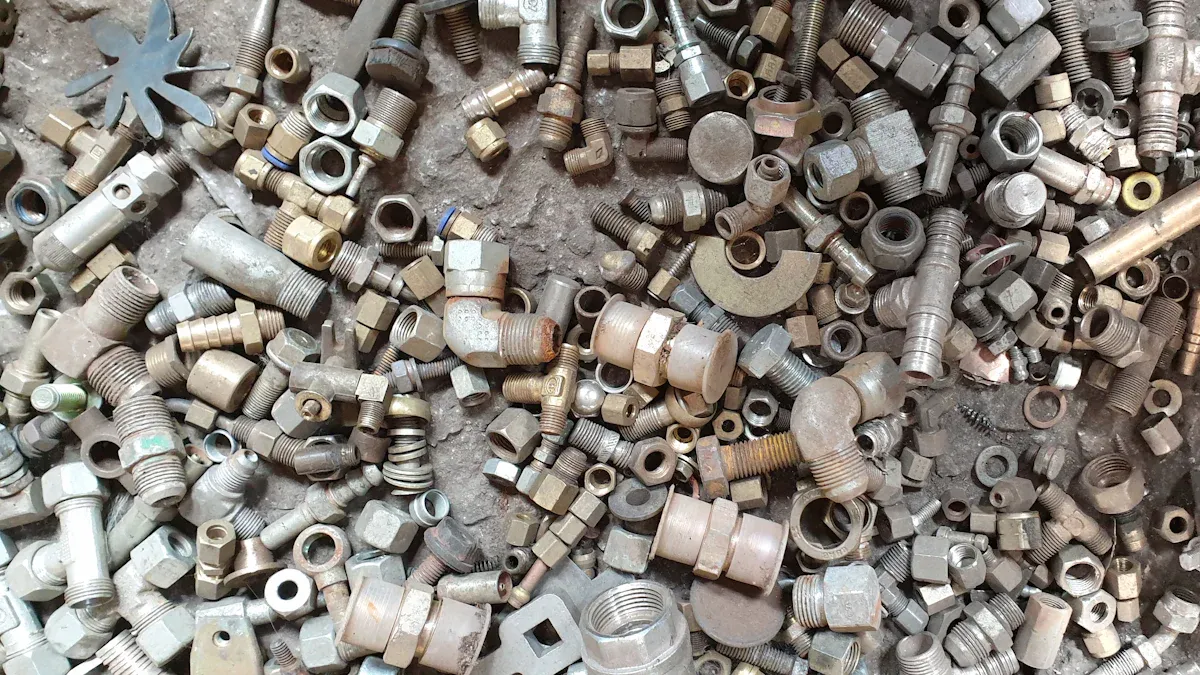
Pipe Fittings come in many shapes and sizes. Each type helps you fix a different problem in your system. The table below shows the main types and what they do:
Type of Fitting | Primary Function |
|---|---|
Elbow Fittings | Change the direction of flow at various angles (45°, 90°, 180°) |
Tee Fittings | Split or combine fluid flow within a pipeline |
Reducer Fittings | Connect pipes of different diameters and regulate flow transitions |
Couplings and Unions | Provide permanent connections or allow easy disassembly for maintenance |
Adapters and Bushings | Convert connection types or reduce pipe sizes efficiently |
Caps and Plugs | Block flow during testing, maintenance, or temporary shutdowns |
Compression and Flare Fittings | Ensure leak-tight seals in precision applications |
Elbows (Long/Short Radius, 45°/90°, Reducing)
Elbows help you turn the flow in your pipes. You can pick elbows with different angles like 45, 90, or 180 degrees. Long radius elbows are good for high pressure. They make the flow smoother and cause less shaking. Short radius elbows fit in small spaces but make more shaking and pressure drop.
Tipp: Use 45-degree elbows for smoother flow and less pressure loss. These elbows help your system work better. Use 90-degree elbows if you need a sharp turn and have enough pressure.
Besonderheit | Long Radius Elbows | Short Radius Elbows |
|---|---|---|
Pressure Rating | Good for high-pressure systems | Best for tight spaces |
Flow | Smoother, less turbulence | More turbulence |
Anwendung | Power plants, refineries | Underground, retrofits |
Kosten | Higher upfront, better long-term value | Cheaper, but higher operational costs |
Tees (Straight, Reducing)
Tees let you split or join the flow in your pipes. Straight tees have all three branches the same size. Reducing tees connect pipes with different sizes. Straight tees keep the flow even and calm. Reducing tees change the speed of flow and connect different pipe sizes.
Besonderheit | Straight Tee | Reducing Tee |
|---|---|---|
Design | All outlets same size | One outlet smaller |
Flow | Balanced, low turbulence | Changes velocity, may increase turbulence |
Verwenden | Even fluid or gas distribution | Connects different pipe sizes |
Reducers and Swage Nipples
Reducers and swage nipples join pipes with different sizes. They help you control how fast things move and handle pressure changes. These fittings help keep your system balanced. When you use a smaller pipe, the flow changes. This can help your system work better sometimes.
Functionality | Beschreibung |
|---|---|
Creating pressure differentials | Helps set up pressure differences for process needs |
Controlling flow rates | Manages how much fluid flows to each part |
Balancing hydraulic systems | Keeps your system stable and balanced |
Change in flow patterns | Alters flow for better performance |
Couplings and Unions
Couplings make a strong, lasting connection between two pipes. Unions let you take pipes apart without turning them. This makes unions great for fixing things. You can remove or replace parts fast with unions. This saves time and keeps your system running.
Notiz: Pick unions when you need to take pipes apart for repairs or upgrades. Couplings are best for connections that stay together.
Crosses, Caps, and Plugs
Crosses connect four pipes at one spot. You use them to split or join flow in more than one way. Caps and plugs block the end of a pipe. You use them for testing, fixing, or stopping flow for a short time.
Caps go over the end of a pipe.
Plugs fit inside the pipe opening.
Bushings, Adapters, and Outlets
Bushings help you change the size of your pipe. Adapters let you join pipes made from different materials, like metal and plastic. Outlets help you connect different pipe sections.
Bushings: Change pipe size.
Adapters: Connect different materials.
Outlets: Join pipe sections.
Flanges and Valves
Flanges help you connect pipes, Ventile, and other equipment. You bolt flanges together to make a strong, leak-proof joint. Flanges make it easy to take pipes apart for checks or repairs. Valves control how fluids move in your system. You can open, close, or adjust valves to manage flow and pressure.
Tipp: Always pick the right flange and valve for your system’s pressure and temperature. This keeps your system safe and working well.
Pipe Fittings give you many ways to build, change, and fix your piping system. When you know how each fitting works, you can make better choices for your plant or factory.
Pipe Fittings Materials
Steel and Stainless Steel
Steel is the most used material for pipe fittings. In 2024, steel holds about 37.7% of the market. You use steel fittings in oil and gas, water treatment, and power plants. Steel is strong and lasts a long time. Stainless steel rostet nicht easily. It is good for chemical and food plants. Stainless steel keeps your system safe in tough places.
Material | Anwendung | |
|---|---|---|
Stainless Steel | Hoch | Chemical, food, harsh environments |
Tipp: Always check which stainless steel you need. Some types work better in hard conditions.
Copper and Brass
Copper and brass are easy to install. They move heat well. Copper is used in heating and cooling systems. Brass is common in plumbing and heating. Both are easy to shape and connect. They can rust in some places, so check if they fit your system.
PVC, PEX, and Plastics
PVC, PEX, and other plastics are used in many jobs. PVC and CPVC are good for chemicals and food processing. They do not get damaged by many chemicals. These fittings are light and easy to put in. PEX is bendy and simple to use. Plastics do not handle high heat or pressure like metals. You also need to think about plastic waste and new rules.
PVC and CPVC: Good for chemicals, not for high heat.
PEX: Bendy, but not for outside.
Material Selection Pros and Cons
You should look at the good and bad sides before you pick a material. The table below helps you compare:
Material | Pros | Cons |
|---|---|---|
Stainless Steel | Does not rust, can be used in many ways | Costs a lot |
Kohlenstoffstahl | Strong, not expensive | Rusts if not coated |
Alloy Steel | Handles high heat and pressure | Costs more than carbon steel |
Kupfer & Brass | Moves heat well, easy to shape | Can rust in some places |
PVC | Licht, cheap | Does not handle heat well |
CPVC | Handles more heat than PVC | Costs more than PVC |
PEX | Bendy, einfach einzubauen | Not for outside use |
Notiz: Always pick the right material for your system. This helps you stop leaks, damage, and big repair bills.
Selecting Pipe Fittings
Picking the right Rohrverschraubungen helps your system stay safe and work well. You need to think about a few things before you choose. Follow these steps to find fittings that fit your needs.
Application and Compatibility
First, think about what your pipes carry. Check if it is water, oil, gas, or chemicals. Some fluids need special materials so they do not cause damage. You must match the fitting material with your pipe material. If you use the wrong material, you might get leaks or safety problems.
Good quality and correct fittings help your system work well.
Wrong materials can cause big trouble and safety issues.
Picking the right material stops leaks and corrosion.
Using too many fittings can make pressure drop too much.
Always check if the fitting matches your system to make it last longer.
Here is a table to help you decide:
Faktor | Beschreibung |
|---|---|
Type of Fluid | Make sure the fitting works with your fluid. |
Material Compatibility | Pick materials that stop corrosion and damage. |
Flow Rate | Choose fittings that let enough fluid move through. |
Tipp: Always check if your fittings follow industry rules. This keeps your system safe and stops failures.
Pressure and Temperature
You need to know the highest pressure and temperature your pipes will face. Fittings must handle these levels. Zum Beispiel, heating systems may run at 80°C (176°F) Und 4 Bar (58 psi). You should use fittings rated for at least 10 Bar (145 psi). Steam systems need fittings for even higher levels. When temperature goes up, fittings can handle less pressure. Always check ratings to make sure they are high enough.
Using fittings that meet standards makes your system strong.
Meeting industry rules lowers repair costs.
Alert: Never use fittings with ratings lower than your system’s highest pressure or temperature. This can cause leaks or failures.
Sizing and Standards
You must match fitting sizes to your pipes. Use standard sizes to make things easy and safe. Standards like ASME and ASTM help you pick the right fittings. These rules cover size, material, and how well they work. Standard fittings make your system stronger and easier to fix.
Standard | Beschreibung |
|---|---|
ASME B16.9 | Sets size rules for butt-welding fittings, making welds strong. |
ASTM A234 | Covers material specs for carbon and alloy steel fittings, making them strong and stopping rust. |
ASTM A403 | Sets specs for stainless steel fittings, helping welds and strength. |
Using fittings that follow rules lowers failures.
Standards make your system safer and cheaper to run.
Always check if your fittings follow the right rules for your job.
Notiz: If you pick the wrong size, you can get leaks or pressure drops. Always check sizes before you buy.
Step-by-Step Guide for Selecting Pipe Fittings
Find out what fluid your pipes carry.
Check your pipe material and pick fittings that match.
Learn the highest pressure and temperature in your system.
Pick fittings with ratings above your system’s needs.
Match fitting sizes to your pipes.
Make sure fittings follow ASME, ASTM, or other rules.
Check flow rate needs to stop pressure loss.
Make sure fittings follow local rules.
🛠️ If you want a trusted place for good fittings and building materials, try ruisong build one-stop building materials sourcing platform. This platform gives you one-stop shopping, fast delivery, and expert help. You can save time and lower risks when buying for your factory.
Choosing the right fittings keeps your system safe from leaks and failures. It also helps your system work better and lowers repair costs. Take time to check each thing and use trusted suppliers for the best results.
Pipe Fittings Installation
Best Practices
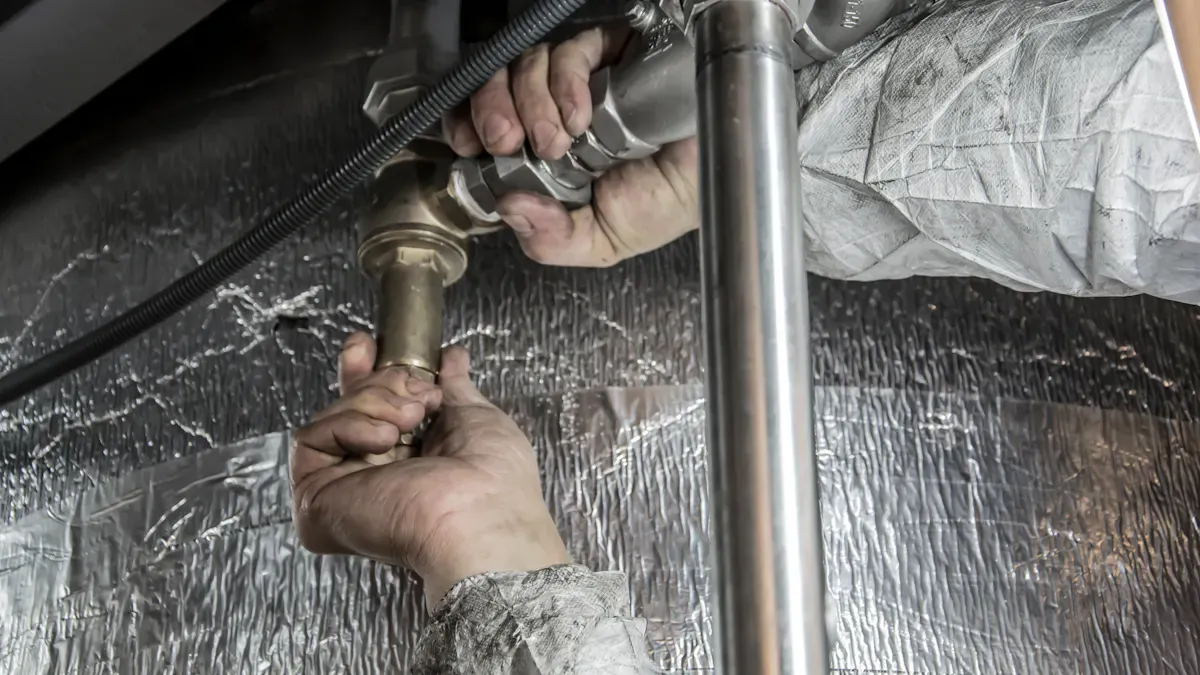
You make your system safer and better when you follow good steps during installation. First, pick seal materials that work with the fluid, heat, and pressure in your pipes. Clean the flange faces before putting in gaskets. Use the right gasket for each spot. Tighten bolts in the right order and to the right tightness. Put PTFE tape or thread sealant on threaded joints. These steps help stop leaks and keep your system working well.
Pick seal materials that fit the fluid and heat.
Clean flange faces and use the right gasket.
Tighten bolts in the right order.
Use PTFE tape or thread sealant on threaded joints.
Tipp: Always read the instructions from the maker for each fitting. This helps you not make mistakes and makes a strong seal.
Inspection and Testing
After you put in Rohrverschraubungen, you need to check and test them. Look at the fittings to find cracks, rust, or if things are not lined up. Pressure testing checks if the system can handle normal and high loads. Non-destructive testing finds hidden problems without hurting the fittings. Leak detection helps you find small leaks before they get worse. Dimensional tolerance testing checks if each fitting is the right size. Valve leak tests make sure valves work right.
Inspection Type | Purpose |
|---|---|
Visual Inspection | Find cracks, rust, misalignment |
Pressure Testing | Check strength and leaks |
Non-destructive Testing | Detect hidden flaws |
Leak Detection | Identify small leaks |
Notiz: Checking and testing often helps you find problems early and stop failures.
Maintenance Tips
Doing regular maintenance helps your fittings last longer. Clean and oil your tools often to keep them working well. Keep tools in a dry place so they do not rust. Use the right tool for each job so you do not break things. Check fittings for rust, cracks, and damage. Tighten joints again and add sealing stuff if needed. Take out dirt and scale to keep flow smooth.
Clean and oil tools often.
Keep tools dry and organized.
Use the right tool for each job.
Check fittings for damage.
Tighten joints and reseal if needed.
Remove dirt and scale buildup.
🛠️ Doing regular maintenance keeps your system safe and working well. You save money and stop problems when you take care of your fittings.
Common Challenges and Solutions
Corrosion and Material Degradation
Corrosion and material problems happen a lot in industrial piping. Corrosion can look like small pits, even loss, or cracks from stress. High heat, trapped water, and bad coatings make it worse. You might see tiny holes or thin spots on the pipe. Manchmal, chemicals or stray electricity hurt the metal. If you do not fix these signs, your system can get weak and leak. To stop this, pick the right materials, use coatings, and check for damage often.
Tipp: Look for rust, color changes, or rough spots on fittings. These signs mean you need to fix things fast.
Leakage Prevention
Leaks are dangerous and can stop work. You can stop leaks by using these steps:
Method | Beschreibung |
|---|---|
Material Selection | Pick materials that do not rust and use coatings. |
Installation Practices | Follow rules, line up parts, and use the right force. |
Sealing Techniques | Use the right seals for the fluid and put them in right. |
Maintenance Strategies | Check and fix fittings often. |
Leak Detection Technologies | Use sensors and tools to find leaks early. |
You lower leak risks when you use all these steps together.
Misalignment and Mechanical Stress
Misalignment and stress can hurt your system. If pipes are not lined up, you get more shaking and heat. This wears out seals and can make leaks. Over time, it can hurt shafts and bearings. Always check alignment when you put pipes in. Use supports and anchors to keep pipes still. Fix shaking or movement right away.
Pipe strain makes pipes not line up.
Bad alignment causes shaking and heat.
Shaking wears out seals and makes leaks.
Leaks can hurt other parts.
Wear and Replacement
Wear happens over time from flow, pressure, and movement. You need to find worn fittings before they break. Plan checks to look for wear, rust, or leaks. Change fittings when they get old or damaged. Watch for changes in pressure or flow, as these can mean trouble. Acting fast keeps your system safe and stops long delays.
🛠️ Regular checks and quick replacement help you avoid big repairs and keep your system working well.
You play a key role in keeping your piping system safe and efficient. When you understand pipe fittings, you make better choices for your plant.
Choose the right fittings for your job.
Install each fitting with care.
Check and maintain your system often.
Always pick quality products. For complex projects, ask an expert for help. This keeps your system strong and reliable.
FAQ
What is the most common material for industrial pipe fittings?
You often see steel and stainless steel used in factories. These materials give you strength and last a long time. You pick them when you need to handle high pressure or harsh chemicals.
How do you prevent leaks in pipe fittings?
You stop leaks by using the right sealant, tightening joints properly, and picking fittings that match your pipes. Always check for damage before you install anything.
Can you mix different pipe fitting materials?
You should not mix materials unless you know they work well together. Some metals can cause corrosion when they touch. Always check compatibility charts before you connect different materials.
How often should you inspect pipe fittings?
You need to check your fittings at least once a year. If your system runs under high pressure or carries chemicals, inspect more often. Look for rust, cracks, or leaks.
What tools do you need to install pipe fittings?
You use wrenches, pipe cutters, sealant tape, and sometimes torque wrenches. Always use the right tool for each fitting. This helps you avoid damage and makes your system safer.