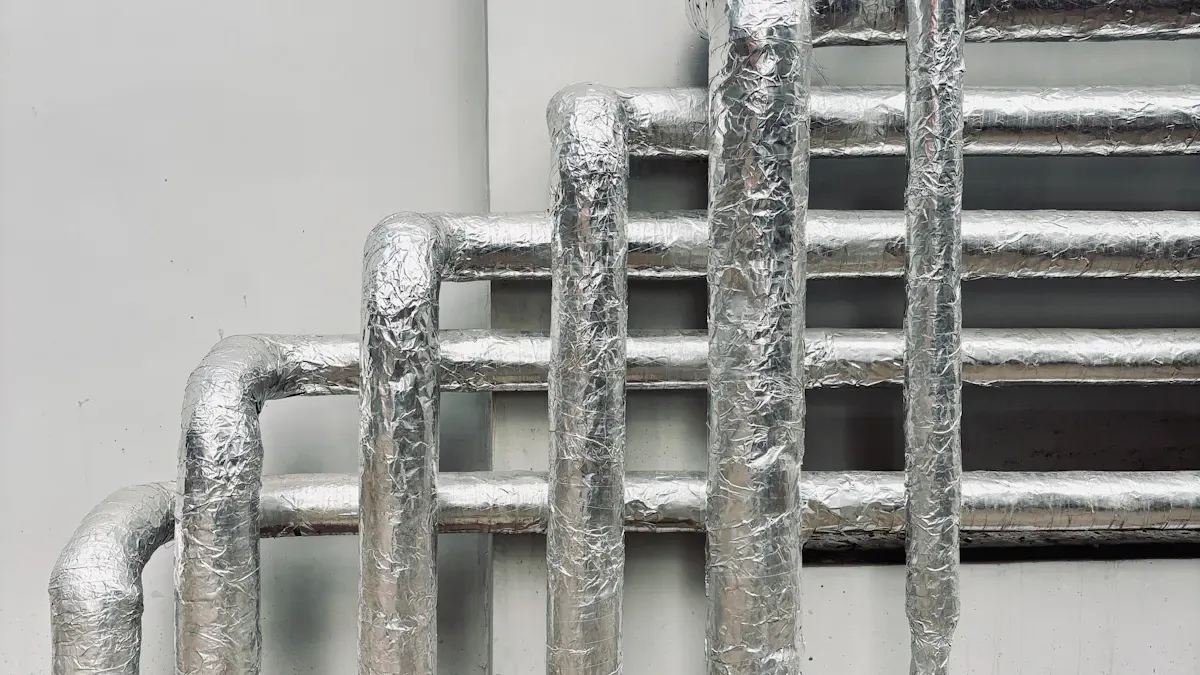
When selecting the best pipe for your project, it’s essential to consider the differences between Galvanized Piping vs Cast Iron Piping. Galvanized piping is excellent for water supply applications, while cast iron piping is typically preferred for drainage systems. When you compare Galvanized Piping and Cast Iron Piping, evaluate their strength, 料金, installation ease, maintenance requirements, longevity, and impact on water quality. Additionally, consider the specific locations where you will be using them. Each type of pipe has its advantages and disadvantages.
ヒント: Contact us to receive a free catalog and quote. You can also get expert advice for your project.
重要なポイント
Galvanized piping works well for water supply. Cast iron piping is best for drains.
Think about how long pipes last and how to care for them. Galvanized pipes last 20-50 years but may rust. Cast iron pipes last 50-100 years and are quieter.
Look at what your project needs. Use galvanized pipes for strong water lines. Use cast iron pipes to make drains quieter.
Check local building rules before you start. Some places do not allow galvanized pipes for water supply.
Take care of your pipes often. Look for rust and clogs. This helps pipes last longer and saves money on repairs.
Galvanized Piping vs Cast Iron Piping Comparison
Main Differences
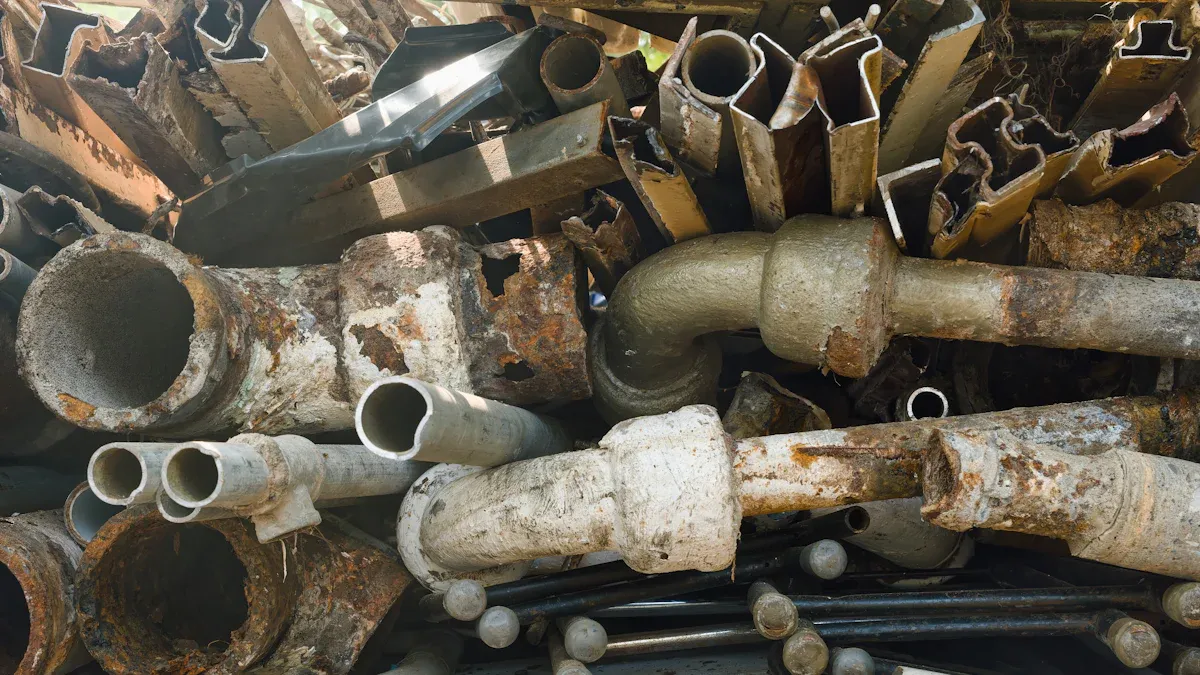
When you look at galvanized piping and cast iron piping, you see they work differently. The table below helps you compare them in important ways:
Feature | 亜鉛メッキ配管 | 鋳鉄配管 |
|---|---|---|
耐久性 | 良い, but can rust inside | 素晴らしい, lasts まで 100 年 |
寿命 | 75 に 100 年 | |
料金 | 適度 | Higher initial and replacement |
インストール | Hard to cut and thread | Heavy, needs more labor |
メンテナンス | Needs checks for rust and leaks | Needs checks for clogs and rust |
Water Quality | Can release lead and zinc | No lead, but can rust |
Noise | Noisy when water flows | Very quiet, absorbs sound |
Galvanized piping is strong and can handle outside weather. Cast iron piping is better at stopping noise and lasts longer. You should think about these things before you pick a pipe.
Cast iron piping is known for being tough and quiet. People use it in places where they want less noise, like living rooms. Galvanized piping is good for water lines but can get rusty inside. Rust can make water quality worse and slow down water flow.
Best Uses
You want to choose the best pipe for your job. Here are some tips:
Galvanized piping is good for water lines in older houses or outside. It is strong and lasts if you take care of it.
Cast iron piping is best for drains, especially where you want things to be quiet. It is great for drain-waste-vent systems and fire sprinkler lines because it is reliable and safe from fire.
Most plumbing rules say to use galvanized piping for water and cast iron for drains. Cast iron is used in fancy buildings because it is quiet and lasts a long time. People often talk about galvanized piping vs cast iron piping, but you can decide by thinking about how long it lasts, water quality, and what you need.
注記: If you want a quiet house and pipes that last many years, cast iron is a good pick for drains. If you need a pipe for water and want it strong, galvanized piping works, but you need to check for rust and water problems.
Choosing between galvanized piping and cast iron piping is not just about price. You should think about what you need. Think about how long you want the pipes to last, how much noise you can handle, and how important clean water is for your home or building.
Galvanized Steel Pipes Overview
長所と短所
When you pick galvanized pipes, you get good and bad points. Many plumbers say these pipes are cheaper than copper. They also last longer than plastic pipes. The pipes have a bigger opening, so more water can move through them than copper. The zinc coating helps stop rust at first. But after a while, rust can grow inside the pipes. This can cause rust you can see, and even lead can get in your water. These pipes are heavy and not easy to move. If you see damage, you often have to change the whole pipe piece, not just fix it.
ヒント: Look for rust or stuff building up inside. Fixing problems early can save you trouble later.
Applications
You can find galvanized steel pipes in many homes and stores. People use them for water pipes because they do not rust right away. These pipes are strong and work well in fire sprinkler systems. They can handle some rust. In HVAC systems, these pipes are used for air and heat ducts. They do not break down from water or heat changes.
費用と設置
Galvanized pipes cost less than copper but more than PVC or PEX. Here is a simple chart to compare:
材料 | Cost per Foot | Installation Cost | Total Project Cost |
|---|---|---|---|
PEX | $0.50-$2.00 | 低い | $1,500-$4,000 |
Copper | $2.00-$4.00 | Medium | $3,000-$8,000 |
PVC | $0.25-$1.00 | 低い | $1,200-$3,000 |
You might need to make holes in walls and ceilings to put in these pipes. Plumbers charge between $50 and $200 each hour. A big job can take one to five days. Galvanized pipes are heavy, so putting them in takes more work.
Maintenance and Lifespan
You need to check galvanized pipes often. The zinc layer can wear off, and then rust can start. Rust and stuff in the pipes can block water and slow it down. Most galvanized steel pipes last 20 に 50 年. Some can last up to 100 years if they are in great shape. Checking pipes often helps you find problems early. Other pipes like PEX and stainless steel do not need as much care because they do not rust as much.
注記: Some insurance companies will not cover homes with old galvanized pipes because of water problems.
Cast Iron Pipes Overview
長所と短所
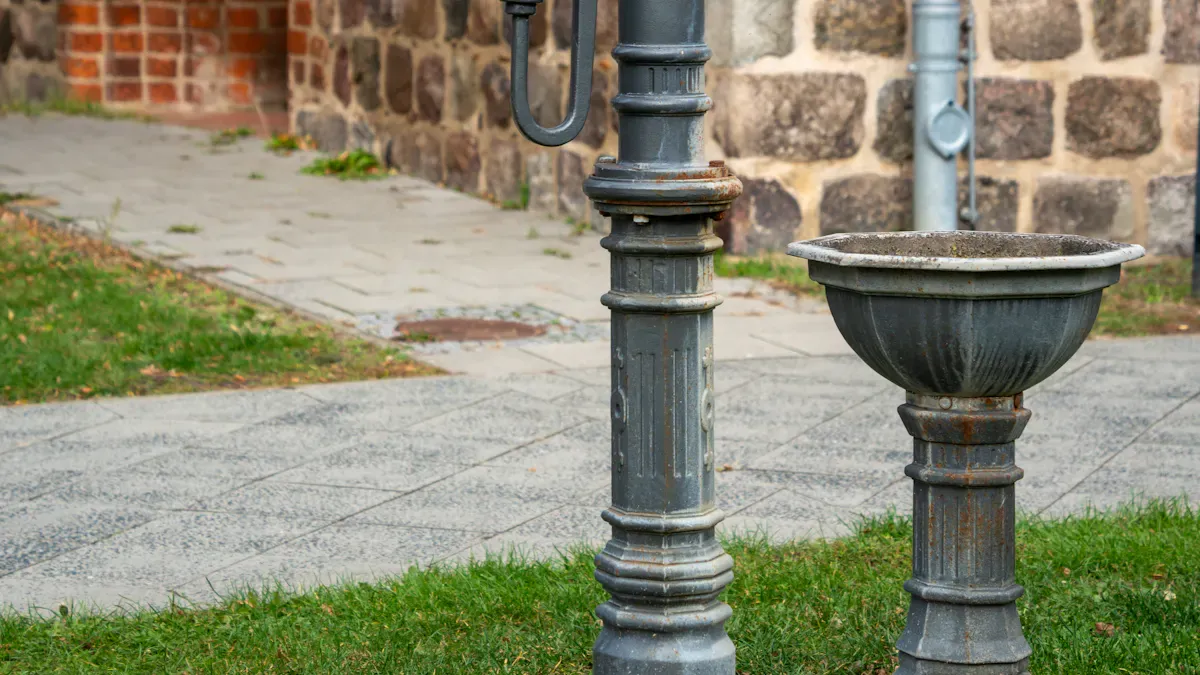
Cast iron pipes have many good points for drains. They make less noise and shake less, so your house is quieter. These pipes do not burn easily and can handle hot things. They also help old buildings keep their special look. But there are some problems too. Cast iron pipes are heavier than plastic pipes, so putting them in takes more work. You will spend more money on the pipes and to put them in than with PVC. Sometimes, these pipes can rust, depending on where they are used. They are also not easy to bend or shape for different designs.
Pros of Cast Iron Pipes | Cons of Cast Iron Pipes |
|---|---|
High-temperature resistance | Higher material and installation costs |
Suitable for tall buildings | Heavier than alternative materials |
Fire resistance | Potential for corrosion in some environments |
Noise and vibration dampening | Requires more labor for installation |
Aesthetic preservation | Limited flexibility in design |
Applications
People use cast iron pipes for drains, waste, and vent lines in homes and businesses. Because they are thick, they help make plumbing quieter. These pipes are great for big apartment buildings and stores. You can put them underground because they do not get hurt by dirt or chemicals. They work well for sewer and water pipes. Their ability to stop sound makes them a good pick for quiet places.
Cast iron pipes are best for drains, waste, and vent lines.
Their thickness helps block sound better than plastic pipes.
They are used in big buildings and businesses.
費用と設置
You might think cast iron pipes cost a lot more than PVC, but putting them in can cost about the same. Sometimes, cast iron pipes are even cheaper than PVC. You should think about how much you will spend over time, especially if the pipes are not put in right and need fixing later. Cast iron pipes are heavy, so it takes more work to install them. You need workers who know how to cut and fit these pipes.
ヒント: Plan for extra work when you put in cast iron pipes. This can help you not spend more money than you want.
Maintenance and Lifespan
You need to take care of cast iron pipes to keep them working. Clean the main sewer pipe every 18 に 24 months to stop stuff from building up and to check if the pipe is okay. If you have an old system or a business, you may need to clean the pipes every year. Taking care of the pipes often means you will have fewer plumbing problems and can plan for repairs. Cast iron pipes usually last 50 に 75 年. Many pipes start to break after 50 years because rust makes small holes inside. You should look for problems like clogs and rust, which can make the pipes not last as long.
注記: Cleaning and checking your pipes often helps you find problems early and makes your cast iron pipes last longer.
Choosing the Right Pipe
Project Checklist
You need to match your project needs to the right pipe. Start with a checklist. This helps you decide which pipe fits your plumbing system.
What is the main purpose? (Water supply or drainage)
Where will you install the pipe? (Inside, outside, underground)
How important is noise reduction?
What is your budget for materials and labor?
How long do you want the pipes to last?
Do you need to worry about water quality?
Are you working on residential plumbing pipes or a commercial project?
Will you need to meet any special requirements for your plumbing system?
ヒント: Write down your answers. This makes your choice easier.
You can use this checklist for any plumbing system. If you need quiet drains, cast iron pipes work best. If you want strong water supply lines, galvanized pipes fit your needs. Think about your budget and how much maintenance you want to do.
Local Codes and Insurance
You must check local building codes before you pick a pipe. Codes tell you what materials you can use in your plumbing system. Some cities do not allow galvanized pipes for water supply. Others require cast iron pipes for drainage in certain buildings.
Insurance companies may have rules about pipes. Some will not cover homes with old galvanized pipes. They worry about leaks and water damage. If you use cast iron pipes, you may get better coverage because these pipes last longer and resist fire.
注記: Always ask your local inspector or insurance agent about pipe rules. This saves you money and trouble later.
You protect your plumbing system when you follow codes and insurance rules. You avoid fines and costly repairs. You also keep your home safe.
Flowchart: Pipe Selection
You can use a simple flowchart to choose the right pipe for your plumbing system. Follow these steps:
What is your main need?
Water supply → Go to Step 2
Drainage → Go to Step 3
For water supply:
Is your area’s code okay with galvanized pipes?
Yes → Choose galvanized piping
No → Look at copper, PEX, or PVC
For drainage:
Do you need noise reduction?
Yes → Choose cast iron piping
No → Consider PVC or ABS
What is your budget?
High → Cast iron or copper
Medium → Galvanized or PEX
Low → PVC or ABS
Do you need long lifespan?
Yes → Cast iron or copper
No → PVC, PEX, or galvanized
🛠️ Use this flowchart for any plumbing system. It helps you make a smart choice.
You can print this guide and keep it handy. It works for new projects and repairs. You make your plumbing system safer and more reliable when you follow these steps.
Real-World Scenarios
Home Water Supply
You want safe water in your home. Many homes use copper, PEX, or PVC pipes for water supply. These materials last a long time and do not cause many leaks. If you have old galvanized pipes, you may notice rusty water or low pressure. These signs mean you need to check for leaks. You may need a replacement if you see frequent leaks or water stains. PEX pipes are flexible and cost less to install than copper. You can use PEX for both hot and cold water lines.
ヒント: If you see brown water or leaks under sinks, call a plumber to check your pipes.
Drainage Systems
You need strong pipes for drains. Cast iron pipes work well for drainage in homes and large buildings. They block noise and last many years. PVC is also common for drains because it is light and easy to cut. If you want a quiet home, choose cast iron pipes for your drains. You will not hear water running through the walls. If you have old pipes, check for leaks around joints and under floors. Fixing leaks early stops water damage.
Renovations and Repairs
When you fix or update your plumbing, you must think about cost and time. Replacing old galvanized pipes with PEX or copper can cost between $1,500 and $15,000, depending on your home size. Labor costs make up most of the bill. Plumbers charge $75 に $150 per hour. If you have leaks in old pipes, a full replacement saves money in the long run. You can ask your plumber about the best material for your home.
Budget Considerations
You want to save money and avoid leaks. PEX pipes cost less than copper and are easy to install. For small homes, replacement can cost $1,500 に $5,000. Large homes may cost up to $15,000. Labor is the biggest part of the price. If you have leaks often, a full replacement is better than fixing one leak at a time. You can plan your budget by checking your home size and the number of fixtures.
注記: Fixing leaks quickly keeps your home safe and dry.
You now know that galvanized piping works best for water supply, while cast iron piping is ideal for drainage. When you choose, keep these key points in mind:
Check the pipe’s size and wall thickness for safety.
Calculate flow rate and balance it with friction loss.
Pick the right joint type for your space.
Follow standards like ASTM and EN.
You can find more help from groups like the Insulation Institute and DIPRA. If you feel unsure, talk to a professional or check your local codes. You can make a smart choice for your home.
よくある質問
Can I use galvanized pipes for drainage?
You can use galvanized pipes for drainage, but cast iron pipes work better. Cast iron pipes reduce noise and last longer in drain systems.
How do I know if my pipes need replacing?
Look for signs like low water pressure, rusty water, or frequent leaks. If you see these problems, you should call a plumber for an inspection.
Are cast iron pipes safe for drinking water?
Cast iron pipes are not recommended for drinking water. You should use copper, PEX, or PVC for water supply lines to keep your water safe.
What is the best pipe for quiet plumbing?
Cast iron pipes absorb sound well.
You will hear less noise from water flow.
Choose cast iron for quiet drains in homes and buildings.