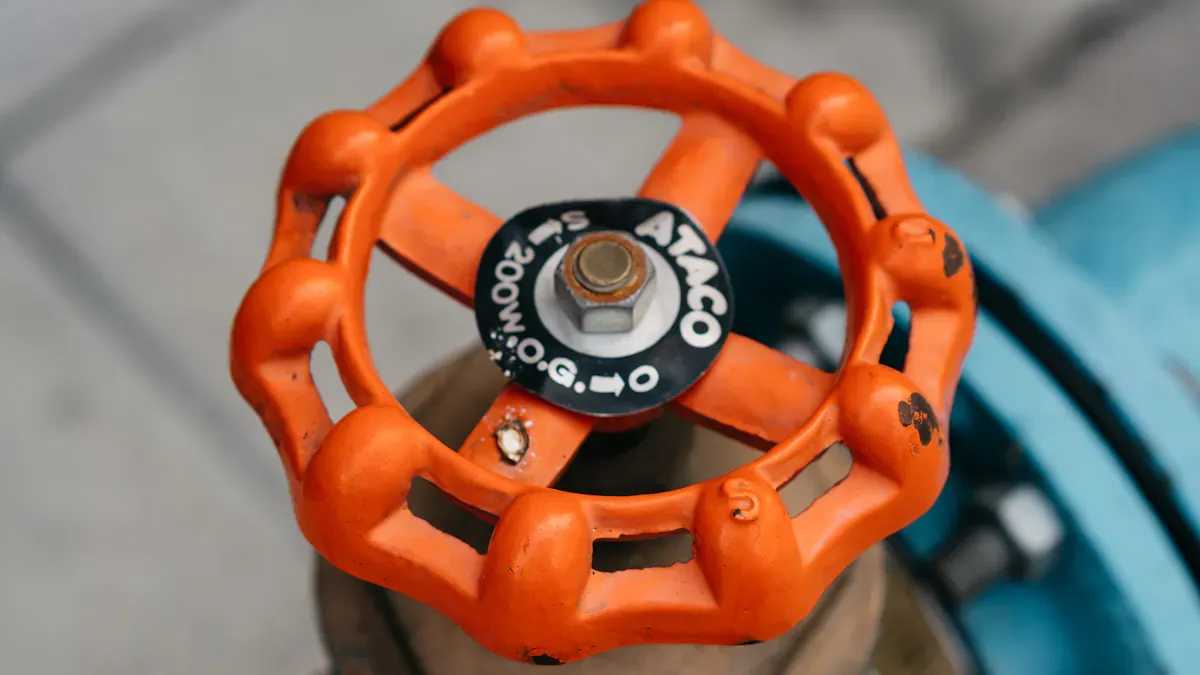
To pick the right water supply ball valve, you must match the valve’s type, material, and details to what your plumbing system needs. Check these important things:
Fluid type
Flow rate
Pressure
Temperature
Material compatibility
Connection type
Certifications
Safety, reliability, and following rules are important in all plumbing systems. You can use simple steps to make this job easy.
Key Takeaways
Pick the valve type and material that fits your plumbing. This keeps your system safe and working well.
Use a full port valve if you need lots of water flow. It helps keep water moving fast and does not lower pressure much.
Pick the best connection type for easy setup. You can use threaded, flange-connected, or clamp-connected valves.
Look for safety labels like NSF or WRAS. These show the valve is safe for drinking water and follows rules.
Follow the checklist to help you choose the right valve. This stops mistakes and keeps your plumbing working well.
What Is a Water Supply Ball Valve
Structure and Function
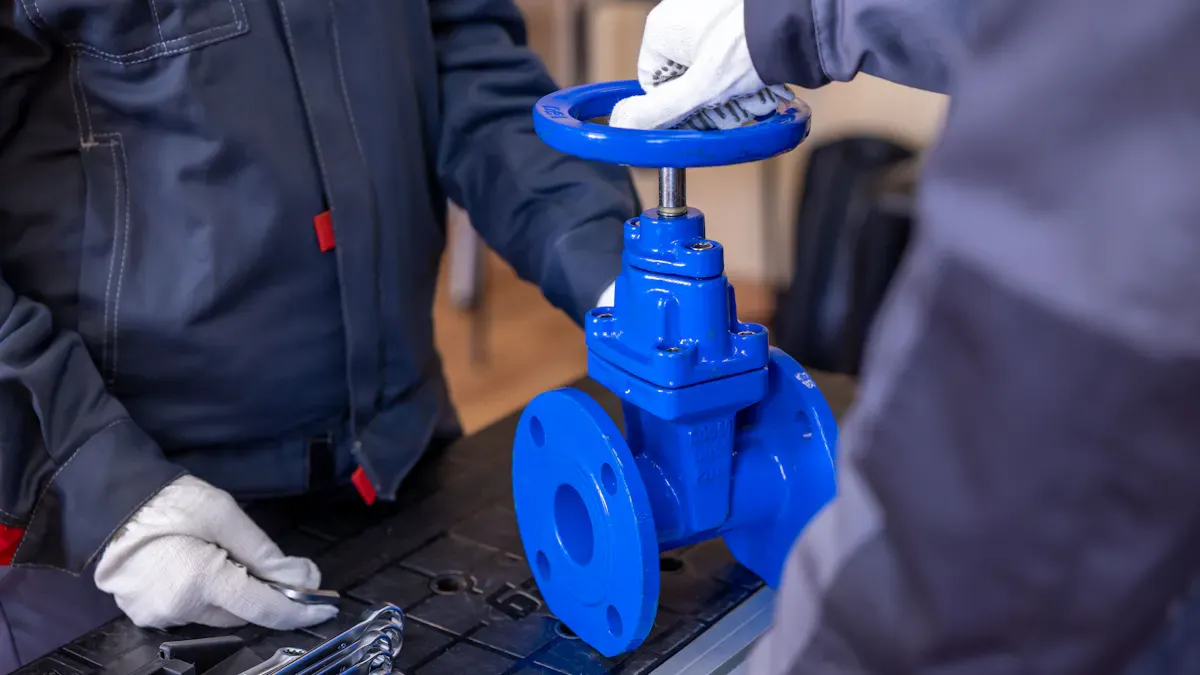
A water supply ball valve helps you control the flow of water in your plumbing system. You can find these valves in homes, schools, and businesses. The design is simple but very effective. The main parts work together to give you easy control over water flow.
Component | Function |
|---|---|
Body | Houses all internal components of the valve. |
Ball | A spherical part with a hole that controls fluid flow. |
Seat | Sealing surface that the ball sits against to stop flow. |
Stem | Connects the ball to the handle, allowing for rotation. |
Handle | Mechanism to turn the ball, can be manual or automated. |
Seals | Ensure leak-tight connections between the valve body and other parts. |
You operate a water supply ball valve by turning the handle. Inside, a round ball with a hole lines up with the pipe when you want water to flow. If you turn the handle 90 degrees, the ball blocks the water path and stops the flow. This quick action gives you full control with just a simple turn.
The valve uses a ball with a hole to let water pass or stop.
You turn the handle to rotate the ball and control the flow.
A quarter turn closes the valve completely, making a tight seal.
Why Choose for Plumbing
You should choose a water supply ball valve for your plumbing system because it offers many benefits. The design lets you shut off water fast, which is important during emergencies. You only need a quarter turn to stop the flow. This feature saves time and can prevent water damage.
The valve also gives you excellent sealing. You get better leak protection than with many other types of valves. The simple structure means fewer moving parts, so the valve lasts longer and needs less maintenance. You can trust it to work well for many years.
Advantage | Description |
|---|---|
Fast Operation | Immediate shut off with a quarter turn design, ideal for emergencies. |
Excellent Sealing | Provides an airtight seal, superior leak protection compared to other valves. |
Durability and Longevity | Fewer moving parts lead to low maintenance and a longer service life. |
Tip: When you use a water supply ball valve, you make your plumbing system safer and more reliable.
Types of Water Supply Ball Valves
Full Port vs. Standard Port
When you choose a water supply ball valve, you often see two main types: full port and standard port. The difference comes from the size of the opening inside the valve. A full port valve has an opening that matches the pipe size. This design lets water flow through with almost no resistance. A standard port valve has a smaller opening, which can slow down the flow and cause more pressure drop.
Here is a table to help you compare the two:
Performance Factor | Full Port Ball Valve | Standard Port Ball Valve |
|---|---|---|
Flow Resistance | Minimal | Moderate |
Pressure Drop | Very Low | Higher |
Flow Velocity | Consistent | Increases at restriction |
Turbulence | Minimal | More pronounced |
Cavitation Risk | Low | Higher |
You should pick a full port valve if you need to keep water moving fast and with little pressure loss. This type works best in these situations:
High-flow systems where you want to avoid pressure drop.
When you need to move thicker fluids without clogging.
Large piping networks that need strong flow and durability.
Emergency systems that must shut off water quickly and reliably.
Tip: Full port valves help you get the most out of your plumbing system, especially when flow and speed matter.
One-Piece, Two-Piece, Three-Piece
You also need to know about the structure of the water supply ball valve. The main types are one-piece, two-piece, and three-piece valves. Each type has its own strengths.
Type | Description | Serviceability |
|---|---|---|
One-Piece | Compact and affordable. You usually replace it instead of fixing it. | Not easy to repair. |
Two-Piece | Common in many systems. You can do some maintenance, but you must remove it from the pipe. | Sometimes repairable. |
Three-Piece | Easy to take apart for cleaning or repairs. You do not need to remove the whole valve from the pipe. | Best for frequent maintenance. |
If you want a simple and low-cost option, choose a one-piece valve. For basic repairs, a two-piece valve works well. If you need to clean or fix the valve often, a three-piece design saves you time and effort.
Note: Three-piece valves are popular in places where you need to keep things very clean, like food or medical systems.
How to Select the Right Water Supply Ball Valve
When you pick a water supply ball valve, you need to match its features to your plumbing system. Think about what kind of water or fluid will go through the valve. You also need to know how much water you want to move. Check the pressure in your pipes and the temperature the valve will face. Make sure the valve’s material can handle your water’s chemistry. The valve should also meet safety rules. Picking the right valve keeps your system safe and working for a long time.
Fluid Type and Compatibility
First, find out what kind of fluid will go through your valve. Potable water, wastewater, and chemicals need different materials. If you use the wrong material, the valve can break or stop working. Stainless steel is good for fluids that can cause rust. PVC works best for clean water in homes or for watering plants.
Material | Application Type | Key Characteristics |
|---|---|---|
Stainless Steel | Corrosive applications | Keeps flow steady, good for chemicals and marine use. |
Carbon Steel | High-pressure systems | Strong, handles high pressure, keeps flow steady. |
PVC | Irrigation, domestic water supply | Cheap, resists rust, great for water treatment. |
You also need to check if the valve and fluid work well together. Some fluids can hurt certain valves. Brass does not rust easily but does not work with biodiesel unless it has nickel plating. Thermoplastic valves are good for drinking water but cannot handle high pressure or heat.
Valve Type | Applications | Compatibility Issues |
|---|---|---|
Brass | Compressed air, diesel fuel, vacuum | Not for biodiesel unless nickel-plated. |
Carbon Steel | Hydraulic systems | Must check fluid type to avoid problems; limited temperature range. |
Stainless Steel | Food/beverage applications | Costs more, but works with many chemicals. |
Thermoplastic | Drinking water, beverage dispensing | Can’t handle high pressure or heat. |
Tip: Always pick a valve material that matches your fluid. This helps stop leaks, rust, or broken valves.
Flow Rate and Pressure Rating
You need to know how much water will move through your system. You also need to know how much pressure the valve must handle. If you use a valve that cannot handle high pressure, it might leak or burst. High pressure can also wear out seals fast and cause sudden breaks, especially when water surges.
Too much pressure can make fittings burst.
High pressure can stress the valve and seals, causing leaks or breaks.
Water hammer or sudden surges can damage valves not made for those conditions.
Seals wear out faster under high pressure, causing leaks over time.
Check the valve’s flow rate and pressure rating before you buy. Make sure the valve can handle what your system needs.
Material and Corrosion Resistance
The material of your water supply ball valve affects how long it lasts. It also affects how well it fights rust. Some materials work better in certain places. Stainless steel does not rust in tough places. Plastic valves work well with fluids that can eat away metal.
Material | Corrosion Resistance Properties |
|---|---|
Brass | Strong and fights rust; works in saltwater. |
Stainless Steel | Great at fighting rust, good for tough places. |
Bronze | Strong and fights rust, good for drinking water. |
Cast Iron | Lasts long, but can be damaged in rusty or cold places. |
Plastic (PVC, CPVC, PEX) | Light, fights rust, good for fluids that can eat metal. |
Alloy 20 | Great for very rusty places, especially with sulfuric acid. |
Copper | Good for cold water, but can break down in tough places. |
If you use the wrong material, chemicals in the water can break the valve. Some liquids can make PVC soft or crack, which causes leaks or breaks.
Note: Always pick materials that fight rust for longer valve life and safer plumbing.
Temperature Range
You must check what temperatures your valve will face. Most water supply ball valves for homes and businesses handle cold water from 0°C to 25°C. They can also handle hot water up to 70°C. Some can take short bursts up to 95°C.
Application | Temperature Range |
|---|---|
Cold water supply | 0°C to 25°C |
Hot water supply | up to 70°C |
Short-term peak | up to 95°C |
Very hot or cold temperatures can hurt valve materials and seals. Some seals get stiff in cold weather, making the valve hard to use. Staying in the right temperature range helps your valve last longer and work better.
Hot or cold temperatures can wear out valve materials.
Good materials and design help valves last longer.
Regular checks and care keep valves working well.
Connection Methods
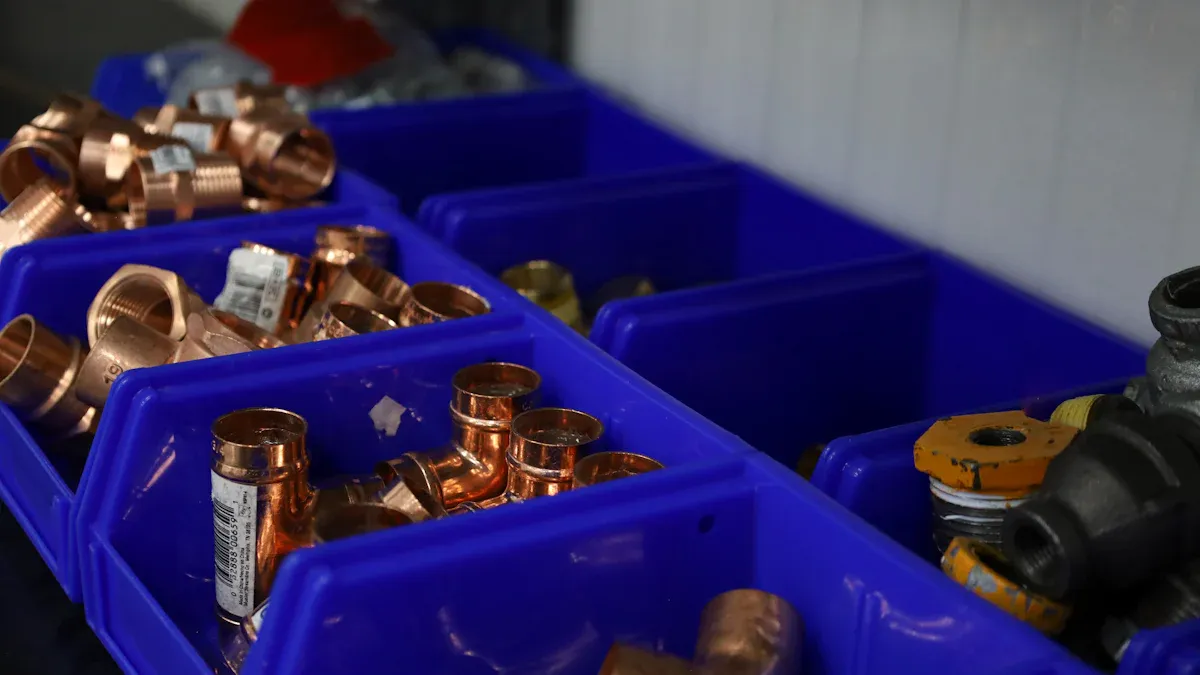
You need to pick the right way to connect your valve to your pipes. The main types are threaded, flange-connected, and clamp-connected valves. Each type has its own good points.
Connection Method | Advantages |
|---|---|
Threaded valve | Easy to put in, cheap, good for changes. |
Flange-connected valves | Easy to put in and take out, fits many pipe sizes and pressures, very stable. |
Clamp-connected valves | Quick to put in, fits many shapes and materials, adjusts for pipe movement. |
Doing the right steps when you install the valve helps stop leaks. You must turn off the system, mark and cut pipes carefully, clean the edges, and make tight connections. Always leave space for repairs.
Safety Certifications
You must check if your water supply ball valve meets safety rules for your area. In the US, valves must follow the Reduction of Lead in Drinking Water Act and the Safe Drinking Water Act. In Europe, valves must meet the Pressure Equipment Directive and the EU Drinking Water Directive.
Region | Regulation/Standard | Description |
|---|---|---|
United States | Reduction of Lead in Drinking Water Act | Limits lead in plumbing parts to 0.25%. |
United States | Safe Drinking Water Act | Sets rules for materials in drinking water systems. |
European Union | Pressure Equipment Directive (PED) | Sets safety rules for pressure equipment, including design and testing. |
European Union | EU Drinking Water Directive | Limits lead in materials used for drinking water. |
Certifications like NSF and WRAS show the valve is safe for drinking water. WRAS checks that valves do not make water dirty and can handle the right pressure. Only WRAS-approved valves are safe for UK water systems. NSF and WRAS mean the valve will not hurt your health or grow bacteria.
Tip: Always look for valves with the right certifications to keep your water safe.
You should buy your water supply ball valve from a trusted supplier. Companies like ruisong one-stop sourcing offer strong materials, good prices, and fast service. They have many plumbing products and help you meet all building rules. Working with a trusted supplier means you get valves that meet safety rules and last longer.
Trusted suppliers make sure valves meet world standards.
Certified valves stop leaks and keep water safe.
Good suppliers give technical help and fast delivery.
If you follow these steps, you can pick the best water supply ball valve for your plumbing system. This keeps your water safe, your system working well, and your costs low.
Ball Valve Selection Checklist
When you choose a water supply ball valve, you need a clear checklist to make the process simple and safe. You can use this list to make sure you cover all important points before you buy or install a valve.
Check if the valve works with water, air, oil, gas, or chemicals in your system.
Look at the maximum pressure your pipes will face. Add a safety margin to avoid leaks or bursts.
Find out the lowest and highest temperatures the valve will handle. Think about thermal cycles if your system heats up and cools down often.
Measure the flow rate you need. Make sure the valve size allows enough water to pass without causing a big pressure drop.
Decide on the connection type. You can pick NPT, BSP, or flanged connections based on your pipes.
Choose how you want to operate the valve. You can use manual handles, gears, pneumatic, or electric controls.
If you want automation, check for solenoid valve voltage and position feedback options.
Think about where you will place the valve. Indoor and outdoor locations need different materials to fight corrosion.
Pick a three-piece design if you want easy maintenance and cleaning.
Tip: You can use this checklist every time you select a valve. It helps you avoid mistakes and keeps your plumbing system safe.
Quick Reference Table
You can use the table below to compare different ball valve options quickly. This helps you see which valve fits your needs best.
Feature | Brass 1/4 Valve | Stainless Steel 1/4 Valve | PVC 1/4 Valve |
|---|---|---|---|
Durability | Medium | High | Moderate |
Corrosion Resistance | Moderate | Excellent | High |
Applications | Plumbing, DIY | Industrial, chemical, gas | Light-duty |
Cost | Low | Higher | Low |
If you want a valve for basic plumbing, brass works well and costs less. Stainless steel gives you high durability and fights corrosion, so it fits tough jobs. PVC is good for light-duty tasks and saves money.
Note: Always match the valve’s features to your system’s needs. This keeps your water supply ball valve working well for years.
To pick the right water supply ball valve, do these things: First, look for important certifications like NSF or WRAS. Next, choose a material that works well with your water. Then, figure out how much water you need to move and pick the right bore size. After that, make sure the valve can handle your system’s pressure and temperature. Last, pick a connection type that fits your pipes. When you match the valve to your system, water moves safely and you stop problems. Use the checklist to help you decide fast. If your system is tricky, ask a plumber for help so you do not make expensive mistakes.
FAQ
What size ball valve should you use for your home plumbing?
You should match the ball valve size to your pipe diameter. Most homes use 1/2-inch or 3/4-inch valves. Check your pipe size before buying.
Can you use a ball valve for both hot and cold water?
Yes, you can use most ball valves for hot and cold water. Always check the temperature rating on the valve label to make sure it fits your needs.
How often should you replace a water supply ball valve?
You should replace a ball valve if it leaks, sticks, or shows rust. Many valves last over ten years with proper care.
Do ball valves need regular maintenance?
Ball valves need little maintenance. You should turn the handle a few times each year to keep it moving smoothly.
Tip: If you notice leaks or hard turning, call a plumber for help.