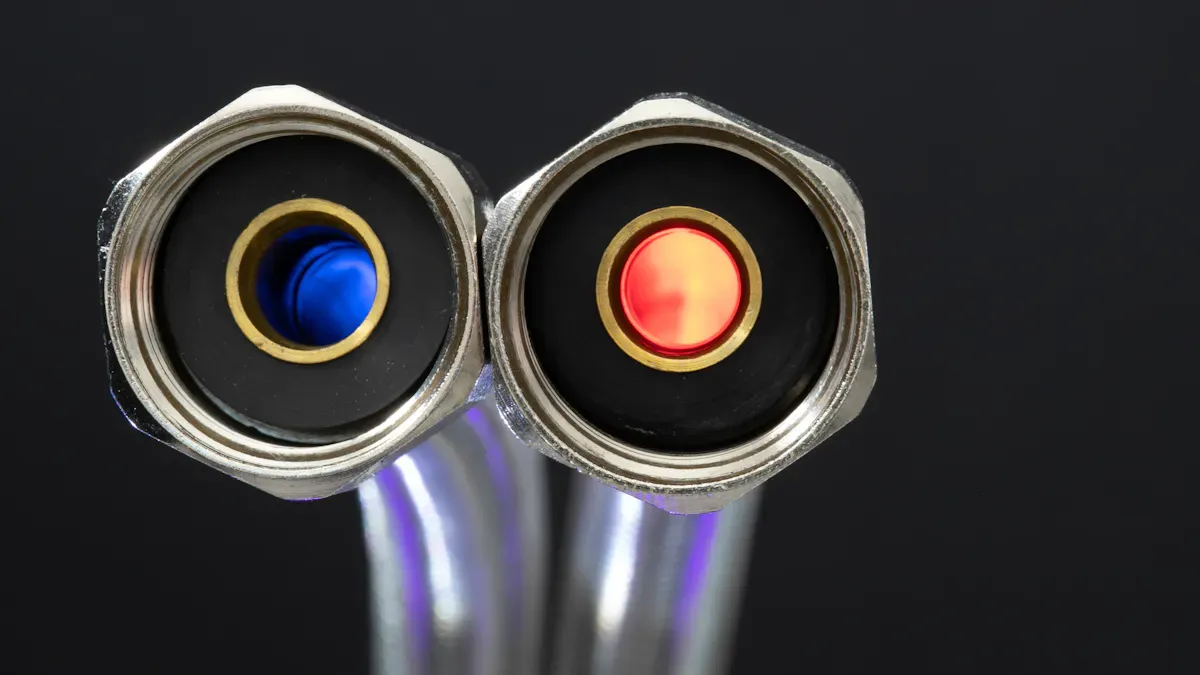
When selecting the best plumbing material for your project, it’s essential to consider the differences between PEX vs PVC. In 2026, experts suggest that PEX is an excellent option for most homes due to its flexibility and ease of installation. On the other hand, PVC remains a reliable choice for drains and vents, known for its affordability and durability. The popularity of PEX is on the rise, with projections indicating it could be worth $9.6 billion globally by 2034. When deciding between PEX and PVC, evaluate their performance, cost, longevity, safety, installation methods, and local regulations. Ruisong offers both options and can assist you in selecting the best material for your needs.
Key Takeaways
Pick PEX for inside plumbing because it bends easily and works with hot and cold water.
Use PVC for drains and vents since it costs less and lasts long, but do not use it for hot water.
Think about how much it costs to install; PEX usually needs less work and fewer parts, so you save time and money.
Always look at your local building rules before you pick plumbing materials to make sure you follow the law and stay safe.
Buy good pipes now so you do not have to pay a lot for repairs or new pipes later.
PEX vs PVC Overview
PEX Basics
You can find pex pipes in many new homes. Pex means cross-linked polyethylene. Companies make pex by linking polyethylene together. This makes the pipe strong and bendy. Pex is good for both hot and cold water. People use pex in home plumbing and heating systems. You can bend pex pipes without much effort. This helps workers install them quickly. Ruisong sells good pex pipes to buyers all over the world.
PVC Basics
PVC pipes are made from polyvinyl chloride. Companies make pvc pipes by joining vinyl chloride. You see pvc pipes in drains, waste, vents, and for watering plants. PVC pipes are stiff and do not bend. You need special parts to change their direction. People use pvc mostly for cold water and outside plumbing. Many pick pvc because it is cheap and does not rust. Ruisong gives pvc pipes that pass tough quality checks.
Key Features
It is important to know how pex and pvc are different. The table below shows how they compare:
Feature | PEX | PVC |
|---|---|---|
Material Composition | Cross-linked polyethylene | Polyvinyl chloride |
Thermal Stability | High, for hot and cold | Low, for cold water only |
Pressure Resistance | High | Moderate |
Flexibility | Flexible and easy to install | Rigid, needs fittings |
Chemical Resistance | Good | Excellent |
Common Uses | Water supply, heating | Drainage, waste, vents |
People use pex pipes for fixing and putting in indoor plumbing. Pex is also used to cover electric wires. PVC pipes are best for drains, dirty water, and vent pipes. Both types of pipes have their own jobs in plumbing. Ruisong can help you pick the right pipe for your work.
Tip: Always look at your local rules before you pick pex or pvc for plumbing.
Performance Comparison
Water Flow
When you compare pex vs pvc, you want to know how each material handles water flow. Pex pipes have a smooth interior. This design helps water move quickly and quietly through your plumbing system. You will notice less noise and fewer pressure drops. Pex also resists buildup from minerals, so water keeps flowing well over time.
Pvc pipes also have a smooth surface inside. This helps water move easily, especially in drain and waste systems. However, pvc is rigid. You need more fittings and turns, which can slow down water flow in complex layouts. Pex bends around corners, so you use fewer fittings. This means water can travel in a more direct path.
Tip: Fewer fittings in your plumbing system can reduce the risk of leaks and keep water pressure steady.
Temperature Resistance
You need to think about how pex and pvc handle hot and cold water. Pex stands out because it works well with both hot and cold water lines. You can use pex for temperatures up to 200°F. This makes it a top choice for hot water supply and radiant heating.
Pvc is best for cold water. It can handle temperatures up to 140°F. If you use pvc for hot water, the pipe may soften or lose strength. For this reason, most experts recommend pvc for cold water and drain lines only.
Here is a table that shows how temperature affects pressure limits for both materials:
Temperature (°F) | Pressure Limit |
|---|---|
73 | Higher Pressure |
Hotter Temperatures | Lower Pressure |
Pex also performs well in freeze-thaw cycles. When water freezes inside pex pipes, the material can expand up to 300%. After thawing, pex returns to its original shape. This feature helps prevent burst pipes in cold climates. Pvc does not have this flexibility. If water freezes inside pvc, the pipe may crack or break.
Flexibility
Flexibility is a key difference between pex and pvc. Pex pipes are famous for their ability to bend around tight corners. You can install pex in spaces where rigid pipes would not fit. This makes pex a favorite for both new construction and remodeling projects.
Pex bends easily, so you need fewer fittings.
You can run pex through walls and floors with less effort.
Pex adapts to different layouts, saving you time and money.
Pvc pipes are rigid. You must use elbows and connectors to change direction. This adds to the installation time and increases the number of joints. More joints can mean more chances for leaks.
Professional plumbers often choose pex for its easy installation. You can pull pex through tight spaces without special tools. This makes it a good choice for do-it-yourself projects as well.
Note: The flexibility of pex not only makes installation easier but also helps prevent leaks at joints, giving you a more reliable plumbing system.
Cost and Value
Material Prices
When you compare pex vs pvc, you will notice differences in price. Both materials offer a range of costs depending on size and quality. Here is a quick look at average prices per linear foot in 2026:
Type of Material | Price Per Linear Foot |
|---|---|
PEX Tubing | $0.50 – $1.50 |
$0.40 – $2.00 |
Pex piping usually costs a bit more than pvc piping for the same size. You may find that pvc is the cheaper choice for large projects. However, the price gap is not always big, especially for smaller plumbing jobs. Always check with your supplier for the latest prices.
Installation Costs
You should also think about installation costs. Pex offers a big advantage here. Its flexibility lets you run pipes around corners and through tight spaces without many fittings. This saves time and reduces labor costs. Pex piping often needs fewer connections, which means less work for installers.
Material | Installation Labor Cost | Advantages |
|---|---|---|
PEX | Reduces need for extensive repairs, saves time and money | |
PVC | Generally higher than PEX | More affordable initially but may incur higher long-term costs due to repairs |
Pex is more labor-efficient, so you pay less for installation.
Pex piping does not require as much cutting into walls.
Pvc pipes need more fittings and more time to install.
You may need special crimping tools for pex, which can cost between $100 and $400. If you do not have experience, you might need a professional to install pex piping.
Long-Term Savings
When you look at long-term value, pex stands out. Pex resists freezing and bursting, so you will likely face fewer repairs over the years. This can save you money on maintenance. Pvc may cost less at first, but repairs and replacements can add up over time, especially if water freezes in the pipes.
Pex piping gives you peace of mind for both hot and cold water lines. You get a reliable system that lasts. Pvc piping works well for drains and cold water, but it may not offer the same long-term value for supply lines. Always consider how your choice will affect your plumbing costs in the future.
Tip: Investing in quality pipes now can help you avoid expensive repairs later.
Durability and Lifespan
Corrosion Resistance
You want your plumbing to last a long time. Pex and pvc pipes are both strong because they do not rust. Pex is flexible and can handle freezing weather. You can use pex where metal pipes might rust or break down. Pvc is great for drains and does not rust, even with tough water. You do not have to worry about rust with pvc pipes.
Plastic pipe can sometimes let out TOC. This can be fixed by testing and checking the pipes. Engineers work to manage risks and make smart choices. There is no proof that all plastic pipes should be banned.
Pex: Bends easily, handles freezing, and costs less to put in, but some people worry about chemicals getting into the water.
Pvc: Good for drains and does not rust, but you should not use it for hot water.
Expected Lifespan
It is important to know how long pipes last. Pex pipes can last 40 to 50 years or more if you take care of them. Many companies give a 25-year warranty for pex. Pvc pipes usually last 25 to 40 years, mostly in drain lines. Both types of pipes can last for many years, but pex might last longer.
Pipe Type | Expected Lifespan | Warranty |
|---|---|---|
Pex | 40-50 years | 25 years |
Pvc | 25-40 years | Varies |
Common Issues
You need to look out for problems to stop leaks and damage. Pex can get tiny cracks from chlorine in the water. The way pex is made helps, but does not stop this problem. Hot water pex pipes can start to break down from chlorine in just two years. Pex pipes can also leak if you do not put them in right. Sunlight can hurt pex pipes if they are outside. Chemicals can get into the water and change how it tastes or smells, especially with hot water. Bacteria can grow in pex pipes because of a slimy layer inside. When it gets hot or cold, pex pipes can get bigger or smaller, which can cause leaks.
Pex can get cracks from chlorine in the water.
Leaks can happen if pipes are not put in right or if parts get loose.
Sunlight can damage pex pipes outside.
Chemicals like BPA can get into the water, especially when hot.
Water can taste or smell different because of chemicals.
Bacteria can grow inside pex pipes.
Hot and cold changes make pex pipes move, which can cause leaks.
Pvc pipes almost never rust, but you should not use them for hot water. If you do, pvc pipes can get soft and weak. You can stop leaks and problems by putting in the right pipe for each job and following the rules.
Safety and Health
Drinking Water Safety
You want your water to be clean and safe. Both PEX and PVC pipes must pass tough tests before you can use them at home. These tests check if chemicals can get into your water. Groups like NSF International, EPA, WHO, AWWA, and ECHA make rules to keep water safe. Here is a table that shows some important rules:
Standard | Description |
|---|---|
Makes sure pipes do not put bad stuff in water | |
EPA | Sets rules for safe drinking water in the U.S. |
WHO | Gives advice for safe drinking water |
AWWA | Makes rules for water supply systems |
ECHA | Checks chemical safety for making and using PVC |
Always look for these marks on your pipes. This helps you know your tap water is safe.
Chemical Concerns
You might worry about chemicals getting into your water from pipes. Studies show plastic pipes can let out some chemicals. These are called volatile organic compounds. In 2014, a study found 11 chemicals, like toluene, in water from PEX pipes. Some chemicals, like benzene, are watched because they can hurt people. Other chemicals are not watched, so we do not know if they are safe. These chemicals can make your water taste or smell strange, mostly when pipes are new.
PEX pipes can let out toluene and ethyl-tert-butyl ether.
PVC pipes must follow health and safety rules to stop chemicals from getting into water.
Some chemicals are not checked, so we do not know if they are safe for a long time.
Note: You can lower risks by running water through new pipes and picking pipes with safety marks.
Compliance
You must follow plumbing rules to keep water safe. In North America, NSF/ANSI 61 is the main rule for PEX pipes used for drinking water. This rule checks that pipes do not let out bad chemicals. PVC pipes also have to follow strict rules. Always ask your seller for safety marks and check your local rules before you put in pipes.
Tip: Following the rules helps keep your water clean and keeps you healthy.
Installation Guide
DIY Tips
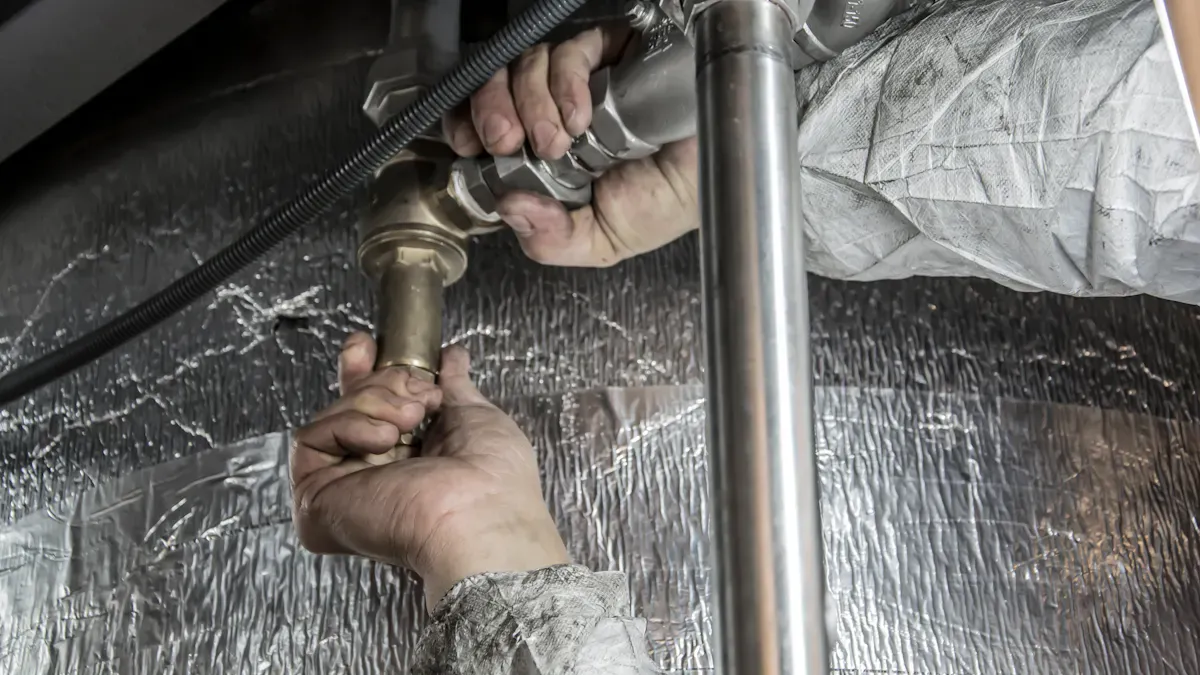
You can handle many plumbing projects at home with the right approach. Always measure your pipe runs before you start. Cut pipes straight for a tight fit. When you work with PEX, you will find it offers an easy install because it bends around corners and fits into tight spaces. For PVC, dry-fit all pieces before gluing to make sure everything lines up. Support pipes every few feet to prevent sagging. Avoid sharp bends in PEX to stop kinks. After installation, run a pressure test to check for leaks.
Tip: Label your pipes during installation. This makes future repairs or upgrades much easier.
Tools Needed
You need the right tools for a smooth installation. Here is a list of essential tools for both PEX and PVC:
PEX pipe cutters for clean cuts
Crimping tools or expansion tools (for PEX-A)
Crimp rings and pipe fittings
PVC pipe cutter or saw
PVC primer and cement for joining
Measuring tape and marker
Use a crimping tool to secure PEX connections. For PEX-A, use an expansion tool to widen the pipe before fitting. Always follow the manufacturer’s instructions for best results.
Tool | Use |
|---|---|
PEX Cutter | Cuts PEX tubing |
Crimping Tool | Secures PEX fittings |
Expansion Tool | Expands PEX-A pipe |
PVC Cutter/Saw | Cuts PVC pipe |
Primer & Cement | Joins PVC pieces |
Maintenance
Regular maintenance keeps your plumbing system working well. Inspect pipes often to catch leaks early. Watch for signs of water damage around joints. Flush your system every year to reduce bacteria. Check for rodent damage, especially with PEX pipes. Fix problems quickly to protect your home and keep your plumbing safe.
Note: Good maintenance helps your pipes last longer and saves you money over time.
PEX vs PVC for Different Uses
Indoor Plumbing
You want your home’s plumbing to be safe and work well. PEX is a good choice for most indoor water pipes. It can bend around corners and fit in small spaces. You do not need as many fittings, so there are fewer places for leaks. PVC is mostly used for drain and vent pipes inside. It is strong and does not rust.
New studies show plastic pipes add microplastics and nanoplastics to drinking water. Both PVC and PE pipes can crack and peel as they get older. This happens faster when chlorine or other cleaners are used. When pipes break down, tiny plastic pieces can get into the water. This makes people worry about water safety.
PVC, CPVC, and PEX are not used much in hospitals. These pipes can let germs grow and chemicals leak out. This can make it easier for infections to spread in healthcare places.
Outdoor Applications
You need to think about weather and sun when picking outdoor pipes. PEX does better in freezing weather than PVC. If water freezes, PEX can stretch and not break. PVC is good for watering plants and drains outside. It does not rust and costs less money. Both PEX and PVC can get damaged by sunlight. You should cover or bury them to keep them safe.
Advantages | Disadvantages | |
|---|---|---|
PEX | Flexible, handles freezing, cheaper to install | Worries about chemicals, hurt by sunlight |
PVC | Cheap, does not rust | Not for hot water, sunlight can damage |
Hot vs Cold Water
You need to use the right pipe for hot or cold water. PEX works for both hot and cold water. It can take high heat and stays strong. You can use PEX for showers, sinks, and floor heating. PVC is best for cold water and drains. It cannot take hot water because it gets soft and might break. Always check the pipe’s temperature rating before you put it in.
Tip: Use PEX for hot water pipes and PVC for cold water drains. This helps your plumbing work its best.
Regulations and Codes
Local Restrictions
You need to check local rules before you choose PEX or PVC pipes. Every city or region can have different building codes. These codes help keep plumbing systems safe and efficient. For example, San Francisco has rules that affect which pipe materials you can use. The city wants you to pick pipes that meet strict safety and environmental standards. Some places do not allow PEX pipes at all. Always ask your local building department if PEX is approved in your area.
Seattle and the state of Washington have their own plumbing rules. You will find that only certain materials pass inspection for water supply or drain lines. If you use the wrong type, you may have to redo your work. In Europe, the rules change from country to country. Some countries like PEX, while others prefer different materials. You must follow the codes in your region to make sure your plumbing is safe and legal.
Local codes may limit which pipes you can use.
Some areas require pipes to meet environmental standards.
Certain regions restrict or ban PEX piping.
Only approved materials pass inspection in many cities.
European countries have different rules for PEX and PVC.
Tip: Always check with your local building office before you start your project.
Permitting
You must get the right permits before you install PEX or PVC plumbing. Permits show that your work meets safety and quality standards. Local building codes tell you what is allowed. You need to follow these rules to pass inspection and avoid problems later.
Before you begin, talk to your local building department. They will tell you what permits you need for your project. If you hire a contractor, make sure they have the right license and follow all permitting steps. This protects you and helps your project go smoothly.
Learn about local codes before you start.
Get the correct permits for your plumbing job.
Make sure your contractor is licensed and follows the rules.
Contact your building department for clear guidance.
Note: Permits help keep your plumbing safe and up to code. Never skip this important step.
Expert Advice from Ruisong
Industry Recommendations
When you choose between PEX and PVC, you should look at how each material works in real projects. Industry experts say you need to think about flexibility and support. PEX pipes bend easily, so you can fit them into tight spaces. You must support PEX pipes often to keep them from sagging. PVC pipes are stiffer and need hangers every four feet. For drain, waste, and vent pipes, you should double the support.
Material | Flexibility | Support Requirements |
|---|---|---|
PEX | Very flexible | Needs frequent or continuous support |
PVC | Stiffer | Needs hangers every 4 feet, double for drain/waste/vent |
Tip: Always follow support guidelines to keep your plumbing safe and long-lasting.
You should also match the pipe to the job. Use PEX for water supply lines, especially where you need to bend around corners. Choose PVC for straight runs, drains, and vent pipes.
Ruisong Insights
Ruisong helps you understand the bigger picture. The company points out that oil prices affect the cost of making PVC pipes. When oil prices go up, the cost of PVC resin rises, and finished pipes may cost more. If oil prices drop, you can expect more stable prices for both PVC and PEX pipes.
Ruisong also says a strong supply chain is important. With a good supply chain, you can avoid sudden price jumps and make sure you always have the materials you need. Experts think oil prices will stay around $62 per barrel by 2026. This could help keep the price of plastic pipes steady for your projects.
If you want reliable supply and expert advice, Ruisong offers global support and helps you choose the right material for your needs.
Choosing the Right Material
Decision Checklist
You want to make the best plumbing choice for your project. You can use this checklist to help you decide between PEX and PVC. Each item helps you focus on what matters most for your home or business.
Water Quality: You need pipes that keep your water clean. PEX has minimal risk of leaching, so your water stays safe.
Cost-Effectiveness: You should look at both the price of the pipes and the cost to install them. PEX and PVC both offer good value for your money.
Maintenance: You want pipes that do not need much care. PEX and PVC require less maintenance than metal pipes.
Durability: You need pipes that last a long time. PEX and copper are known for their longevity, so you do not have to replace them often.
Temperature Needs: You must check if your system uses hot or cold water. PEX works for both, while PVC is best for cold water and drains.
Flexibility: You want pipes that fit your space. PEX bends easily, so you can use it in tight spots. PVC is rigid and needs more fittings.
Local Codes: You must follow the rules in your area. Some places do not allow PEX, so always check before you start.
Safety: You need to make sure your pipes meet health standards. Look for pipes with safety certifications.
Tip: Use this checklist before you buy pipes. It helps you pick the best plumbing material for your needs.
Key Questions
You can ask yourself these questions to help with your plumbing choice. Each question guides you toward the right decision for your project.
Question | Why It Matters |
|---|---|
What is the main use for the pipes? | You need to know if you want water supply, drainage, or heating. |
Will the pipes carry hot water? | PEX works for hot water. PVC does not. |
Is water quality important for your project? | PEX keeps water clean. PVC is safe for drains. |
Do you need flexible pipes? | PEX bends around corners. PVC stays straight. |
What is your budget? | PEX and PVC both save money, but prices can change. |
Are there local rules about pipe materials? | You must follow codes to pass inspection. |
How long do you want the pipes to last? | PEX and copper last longer than PVC. |
Do you want easy installation? | PEX is easier to install. PVC needs more fittings. |
Is safety a top concern? | You should choose pipes with safety marks and certifications. |
Note: You can answer these questions before you start your project. This helps you compare pex vs pvc and choose the best plumbing material for your home or business.
You now know that PEX works best for most home plumbing in 2026. PVC remains a strong choice for drains and vents. Always check your local codes before you decide. Think about your water needs, budget, and installation skills. If you feel unsure, talk to experts at ruisong. They can help you pick the right material and make sure your project goes smoothly.
Tip: The right pipe choice keeps your water safe and your home protected.
FAQ
What is the main difference between PEX and PVC pipes?
You use PEX for water supply lines. You use PVC for drains and vents. PEX bends easily. PVC stays straight and needs more fittings. Both work well for home plumbing.
Can I use PEX and PVC together in one plumbing system?
Yes, you can connect PEX and PVC with special fittings. Always check your local codes first. Some areas have rules about mixing pipe types.
Is PEX safe for drinking water?
Yes, PEX meets strict safety standards for drinking water. Look for pipes with NSF/ANSI 61 certification. This mark means the pipe keeps your water clean.
How long do PEX and PVC pipes last?
PEX pipes last 40 to 50 years. PVC pipes last 25 to 40 years. Both types give you many years of reliable service if you install them correctly.
Do I need special tools to install PEX or PVC?
You need a crimping tool for PEX. You need a pipe cutter and glue for PVC. These tools help you make strong, leak-free connections.