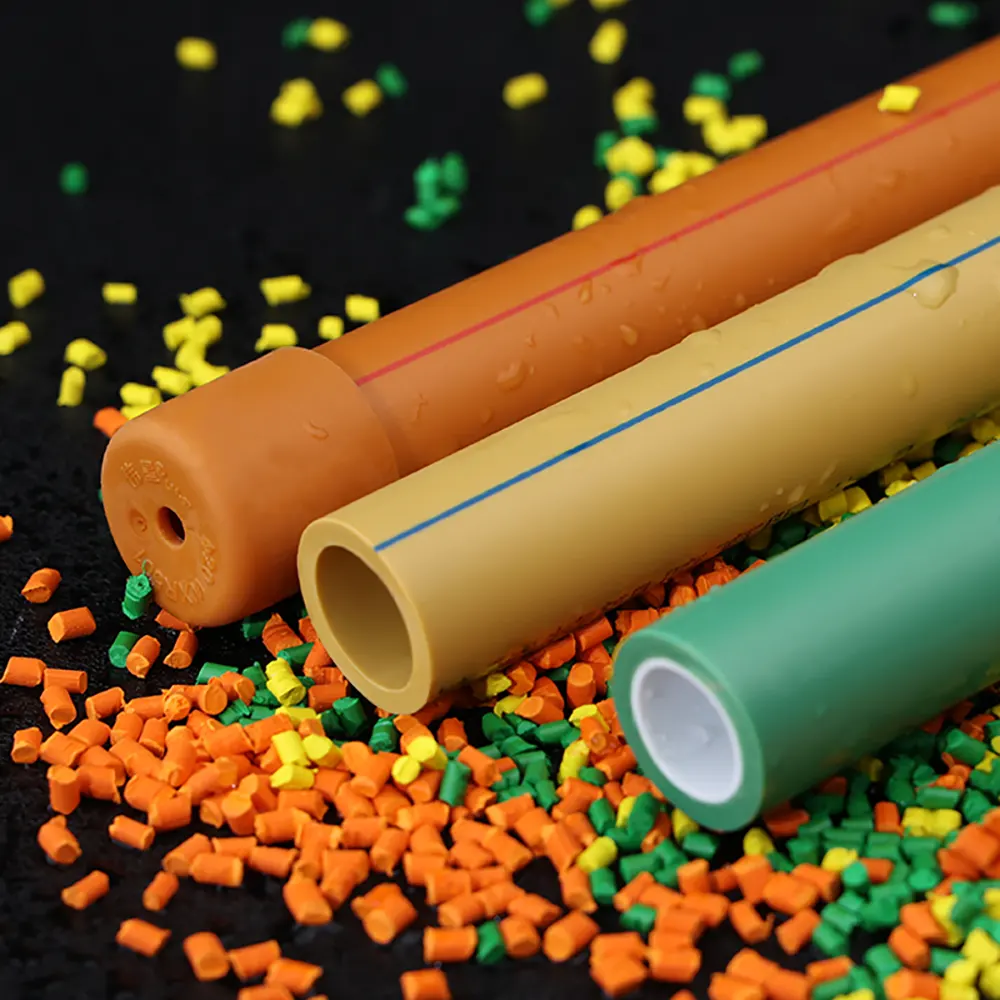
PPR pipe technology gives clear benefits to professionals who want better plumbing. At ruisong, they saw that PPR plumbing lasts longer than old pipes. It is safer and saves more money over time. Market trends show people are using it more:
The global PPR pipe market was $4.8 billion in 2025.
Experts think it will be $8.6 billion by 2034. This is because people are building more and want better water systems.
Recent studies show big differences in how the materials work:
Cost Factor | PPR System | CPVC System |
|---|---|---|
20-30% higher | Lower initial cost | |
Expected Lifespan | 50+ years | 20-30 years |
Maintenance Frequency | Very low | Moderate |
Repair Probability | Low (joints don’t leak) | Medium (potential joint failures) |
Energy Efficiency | Better (lower heat loss) | Standard |
Professionals pick PPR because it lasts a long time. It needs little fixing and has better water flow. This makes it a good choice for new plumbing jobs.
Key Takeaways
PPR pipes can last more than 50 years. This means you do not need to fix or change them often.
Fusion welding makes joints strong and leak-proof. This helps the system work well and not break.
PPR pipes do not rust and can handle chemicals. This keeps water clean as it moves through the pipes.
The pipes are light and bend easily. This makes putting them in place quick and simple.
The inside of the pipes is smooth. Water moves better, which saves energy and money.
PPR Material Science
Random Copolymer Structure
The science of ppr pipes starts with their special random copolymer structure. Makers mix 3% to 5% ethylene into the polypropylene chain. This step makes the molecules line up in a random way. Because of this, the material works well when it faces stress or heat changes. The table below shows how this helps ppr pipes:
Property | Description |
|---|---|
Flexibility | Random ethylene molecules make more soft spots. This gives better flexibility and less brittleness. |
Durability | Hardness and toughness work together. This stops tiny cracks from spreading when stressed. |
Thermal Stability | The pipe keeps its strength and shape even with high heat for a long time. |
Energy Efficiency | The special structure helps the pipe soak up energy from impacts. This makes it work better. |
This structure also gives ppr pipes strong creep rupture strength. They can hold high pressure inside for over 50 years. The material stays flexible and takes in pressure surges without getting weak.
Melt Flow Rate and Hydrostatic Strength
Ppr pipes have a great melt flow rate when made. This means the material moves easily when hot, so pipes are shaped just right. The table below shows how melt flow rate links to hydrostatic strength:
Property | Description |
|---|---|
Melt Flow Rate (MFR) | High MFR means the material flows better when processed. |
Hydrostatic Strength | Strong hydrostatic strength lets pipes handle hot water for a long time. |
Temperature Tolerance | Pipes can take up to 70°C for 50 years. They can also handle short bursts up to 95°C. |
Ppr pipes keep their shape and strength even with hot water for many years. This makes them a good pick for homes and businesses.
Comparison with Other Plumbing Materials
Ppr pipes do better than many old materials in many ways:
They do not crack or break as easily as PVC or CPVC.
Their flexibility means fewer leaks at the joints.
Ppr pipes can take high heat and pressure. Metal pipes can rust or get buildup.
The inside of ppr pipes is smooth. This keeps water moving well and saves energy.
Professionals pick ppr pipes for jobs that need strong, safe, and long-lasting pipes.
Advantages of PPR Pipes
Corrosion Resistance
PPR pipes are great because they do not rust. They do not react with minerals or chemicals in water. Metal pipes can get rusty or dirty inside, but PPR pipes stay clean. This helps water move easily through the pipes. Rust and buildup can make old pipes leak or block up. Sometimes, this can even make the water unsafe to drink. PPR pipes stop these problems from happening. They last a long time and work well for many years. Many plumbers like PPR pipes because they do not need much fixing. They also make the whole system last longer. PPR pipes are a smart choice for homes and businesses where clean water is important.
Chemical Inertness
PPR pipes are made from a strong and safe material. They do not mix with water or let bad stuff get in. There are no heavy metals in PPR pipes, so the water stays safe to drink. The way they are made does not use harmful chemicals. This keeps the water clean. PPR pipes can handle very hot water, up to 95°C. This makes them good for hot water systems. They do not react with things in the water, so they do not get rusty. PPR pipes can also handle strong chemicals, like acids and alkalis. This means they work well in factories too. They are safe for drinking water because nothing bad leaks out. People use them in homes and big buildings because they keep water pure.
Smooth Inner Surface and Flow Efficiency
PPR pipes have a smooth inside. This helps water move fast and easy. There is less rubbing inside the pipe, so water does not slow down. Old pipes can get rough inside and make water move slower. This means you need more energy to push water through. PPR pipes keep water moving well for a long time. This saves energy and money. Plumbers like using PPR pipes because they help the whole system work better. Building owners pay less for repairs and energy.
Note: At ruisong, they found that the smooth inside of PPR pipes helps water flow better. It also stops stuff from building up and blocking the pipes. This makes plumbing systems more reliable.
PPR Pipe Durability
Lifespan and Wear Resistance
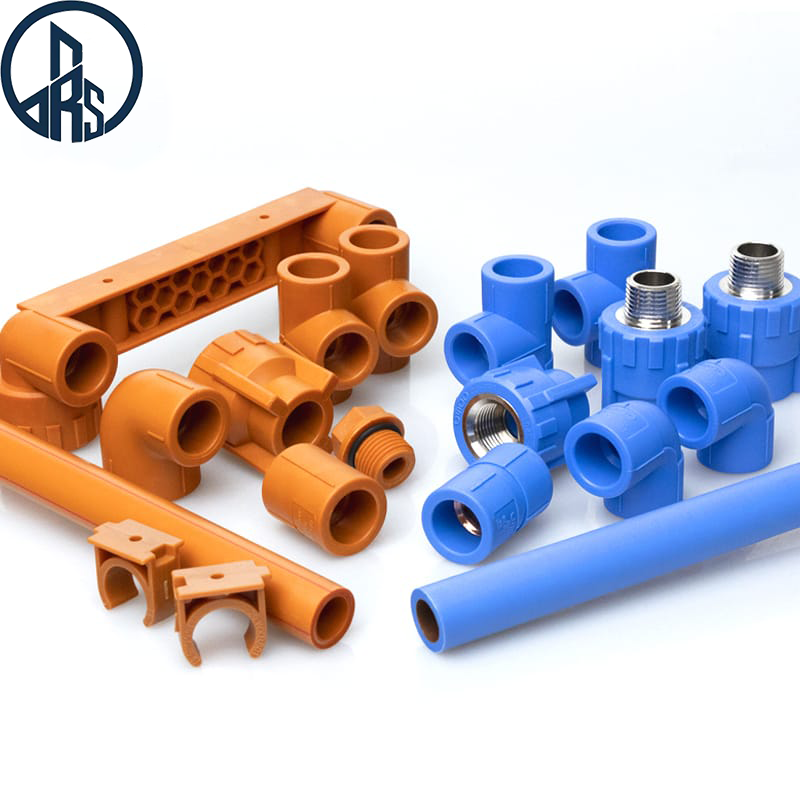
PPR pipes are very strong and last a long time. Their special structure stops rust, which often ruins metal pipes. PPR pipes work well for many years without needing lots of repairs. Most PPR pipes last from 50 to 100 years if used right. They do not wear out fast because the inside is smooth. This smoothness helps water move easily and keeps the pipes from wearing down. PPR pipes can handle hot water, so they stay strong. These features make PPR pipes a good choice for plumbers. They help keep plumbing systems working and lower repair needs.
PPR pipes do not rust, so they do not break down.
The smooth inside keeps pipes from wearing out.
Most PPR pipes last 50 to 100 years.
They stay strong even with hot water.
The pipes keep their shape and strength over time.
High-Temperature Tolerance
PPR pipes work well when temperatures go up and down. They keep their strength up to 95°C, which is better than PVC. PPR pipes are as good as copper pipes with heat but do not rust like metal. The way PPR is made helps it keep its shape when it gets hot. This means less heat is lost. PPR pipes do not bend or break when the temperature changes from 0 to 95°C. Metal pipes can bend or crack in these conditions. PPR pipes are a top pick for tough plumbing jobs.
PPR pipes work up to 95°C.
They keep their shape and save heat.
No bending or breaking from temperature changes.
They are better than PVC and metal pipes in heat.
Noise and Vibration Reduction
PPR pipes help make plumbing quieter. Tests show PPR pipes lower shaking and noise, especially at high sounds. This makes homes and buildings more comfortable. The way PPR pipes are built helps stop vibrations. Studies show they cut down noise a lot:
Findings | Noise Reduction (dB) |
|---|---|
Free-hanging pipes | Up to 11.0 |
Complete removal of wall elbow support | Up to 15.4 |
PPR pipes help make plumbing systems quiet and work well. Plumbers use them when they want less noise and strong pipes.
PPR Pipe Installation
Lightweight and Flexible
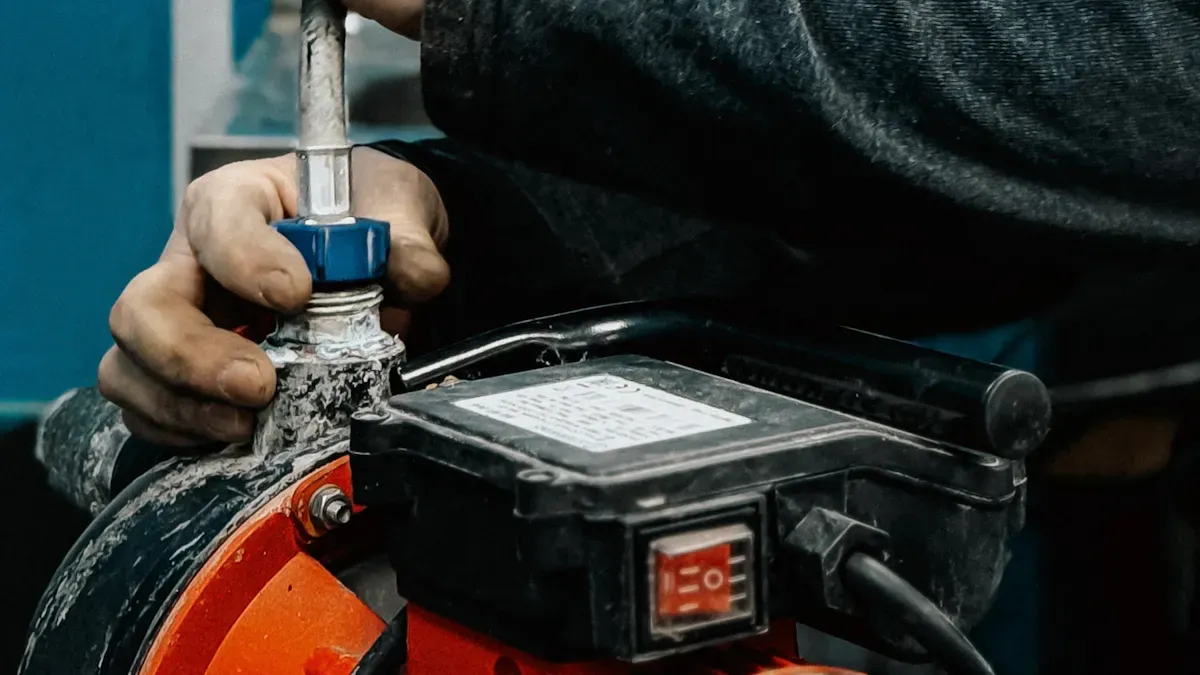
PPR pipes are easy to use in new plumbing jobs. They are light, so workers can carry them without trouble. It is simple to move PPR pipes around a work site. These pipes bend easily, so workers can fit them around things. This means they do not need as many extra parts. Fewer parts mean less chance for cracks or breaks. PPR pipes work well in small or tight places. At ruisong, teams say light PPR pipes make jobs faster. These pipes help workers finish big jobs with less hard work.
Fusion Welding in Plumbing
Fusion welding is an important way to join PPR pipes. Workers heat the ends of the pipes to about 260°C. The melted ends mix together and make a strong bond. This bond is almost as strong as the pipe itself. The smooth joint keeps water from leaking out. Leaks are more common with screwed or glued pipes. PPR pipes joined this way last a long time and work well. Workers like fusion welding because it makes pipes strong and leak-free.
Note: Ruisong makes sure workers get good PPR pipes and welding tools. This helps every plumbing job go well and stay safe.
Labor and Time Savings
PPR pipes help workers save time and money when putting them in. They do not need many tools or much training. This makes the job go faster than with old pipes. Teams can finish their work sooner. The table below shows how much time and money can be saved:
Material | Labor Time (per 100 ft) | Time Savings (%) | Labor Cost Savings (%) |
|---|---|---|---|
PPR Pipes | 2-3 hours | 50% | 30% |
Copper Pipes | 6-8 hours | N/A | N/A |
PPR pipes take half the time to install compared to copper.
The Plumbing Efficiency Institute found PPR pipes cut labor time by 40% in homes.
Labor costs drop by about 30% because the work is easier.
Ruisong’s good supply chain and strong products help workers save time and avoid delays. These benefits make PPR pipes a top pick for plumbing jobs that need to be done well and fast.
Heat and Chemical Resistance
Temperature Stability
PPR pipes can handle big changes in temperature. They stay strong in both hot and cold places. Many workers use these pipes where heat is a problem. The material does not break or get weak from very high or low heat. PPR pipes are good for fire safety plumbing because they resist heat. They also work in hot water systems and do not lose their shape.
The table below shows how well different pipes handle heat:
Pipe Material | Temperature Resistance |
|---|---|
PPR Pipes | -20°C to +95°C |
PPR pipes work well up to 95°C. They also work in cold down to -20°C. This makes them useful for many kinds of buildings.
Resistance to Building Chemicals
PPR pipes do not get damaged by chemicals found in buildings. They do not react with acids or cleaning liquids. This keeps the pipes from rusting or falling apart. Many factories and big buildings use PPR pipes because they need strong plumbing.
PPR pipes do not get hurt by chlorine.
They can handle detergents and solvents.
The pipes do not let bad stuff in or out.
This helps keep water clean and makes pipes last longer. At ruisong, teams say there are fewer fixes needed with PPR pipes. The pipes keep working even with strong cleaning.
Note: PPR pipes are a good pick for workers who want plumbing that lasts and stands up to heat and chemicals.
Low Maintenance Plumbing
Leak Prevention
Plumbers often have trouble with leaks in old plumbing systems. PPR pipes help fix this problem. These pipes can bend and move if the ground shifts. This stops cracks that can make leaks. In places with earthquakes, PPR pipes do not break as easily as stiff pipes. The heat-fusion joints melt the ends together. This makes a strong, smooth connection. It is just as strong as the pipe. These joints stop leaks better than screwed or glued joints. Many cities saw over 80% fewer leaks after using heat-fusion joints. Old pipe fittings can get loose or break over time. PPR fittings do not have these weak spots. This design lowers the chance of leaks and keeps plumbing working well.
Flexible pipes move with the ground and stop cracks.
Heat-fusion joints make strong, leak-proof connections.
Fittings stay tight and do not get loose, so leaks are rare.
Tip: Picking PPR pipes helps plumbers make systems that need less fixing and work better for a long time.
Long-Term Cost Savings
People who own buildings want to save money on plumbing. PPR pipes help because they do not need many repairs. They also cost less to put in. These pipes last a long time and do not rust. This means less fixing and less time when water is off. The smooth joints also stop leaks, so there is less surprise work. PPR pipes are light, so workers can put them in faster and cheaper. The table below shows the main good points:
Aspect | Benefit |
|---|---|
Durability | Pipes do not rust, so there are fewer repairs. |
Leak Resistance | Fusion joints stop leaks and cut down on surprise fixes. |
Installation | Light pipes make work faster and cost less. |
PPR pipes last many years. This means you do not need to fix them often. Owners save money over time. Using these pipes means less worry and better plumbing for a long time.
Cost-Effectiveness of PPR Pipes
Material and Installation Costs
PPR pipes are a smart choice for saving money. The price to buy them is about the same as copper or PVC pipes. The big savings come when you put them in. PPR pipes use heat fusion to join pieces together. This way does not need fancy tools or special workers. People can connect the pipes fast and safely. This means less time and less skill is needed.
Factor | PPR Pipes | Copper Pipes |
|---|---|---|
Joining Method | Solvent-free heat fusion | Soldering/flame tools |
Labor Time (per 100 ft) | 2-3 hours | 6-8 hours |
Skill Requirement | Moderate | Licensed professional |
The chart shows PPR pipes take less time and skill to install than copper pipes. This helps keep the cost of the job lower. At ruisong, teams work hard to keep prices fair and quality high. This makes sure workers get good pipes without paying too much.
Lifecycle Value
PPR pipes are worth it for many years, not just at first. These pipes do not rust or get damaged by chemicals. This means they almost never need fixing. Most PPR pipe systems last more than 50 years if used right. Owners and builders do not have to replace them often or pay for repairs.
PPR pipes last longer and are more reliable than copper.
The easy joining method saves time and money.
You almost never have to pay for repairs with PPR pipes.
Using PPR pipes helps stop leaks and water problems. Ruisong gives workers strong pipes that help them save money now and later. Picking PPR pipes means fewer problems and more savings for any plumbing job.
Safety and Environmental Impact
Non-Toxicity and Water Safety
PPR pipes help keep water safe to drink. They do not let bad chemicals get into the water. Many groups check these pipes to make sure they are safe. NSF International checks if pipes follow rules for clean water. NSF/ANSI 61 makes sure there are not too many bad things in the water. NSF/ANSI 372 checks for lead on pipe surfaces that touch water. WRAS tests pipes with British Standard BS 6920 to make sure they do not make water dirty. These tests show that PPR pipes keep drinking water safe. People trust PPR pipes for homes and businesses. They help keep water clean for a long time. PPR pipes are good for the environment and help plumbing work well.
NSF International rules help keep water safe.
WRAS testing checks that pipes do not make water dirty.
PPR pipes keep drinking water safe in plumbing.
Fire Resistance
PPR pipes act differently in fire than other pipes. PPR pipes can get soft and weak when they get very hot. PPR Aluminum Pipe has an aluminum layer that makes it a little stronger. But this does not stop fire risk in hot places. CPVC pipes do not burn easily and are better at stopping fire. PPR has a limiting oxygen index of 18, so it can burn more than CPVC. Workers need to think about fire safety when picking pipes. PPR pipes are good for most water systems, but need care in places with high fire risk.
PPR pipes get soft when very hot.
CPVC pipes are better at stopping fire.
Aluminum in PPR Aluminum Pipe helps but does not stop fire risk.
Recyclability and Eco-Friendly Production
PPR pipes are good for the earth and help keep water clean. Almost all PPR pipe material can be recycled. Making PPR pipes makes less trash than old pipes. PPR pipes use polypropylene, which is easy to recycle. Making these pipes gives off less pollution and their light weight means less fuel is used to move them. PPR pipes can be used again and do not let out bad chemicals. This helps keep water clean and makes plumbing last longer. PPR pipes help make clean water systems and support recycling.
PPR pipes can be recycled almost 100%.
Making PPR pipes makes less pollution and trash.
Light pipes mean less pollution from trucks.
Feature | PPR Pipes | Traditional Pipes |
|---|---|---|
Recyclability | Nearly 100% | Lower |
Emissions | Low | Higher |
Landfill Waste | Minimal | More |
Note: Picking PPR pipes helps workers make plumbing that is clean, safe, and good for the earth in homes and businesses.
Limitations and Considerations
UV Resistance
PPR pipes have a problem with sunlight. Sunlight can make the outside turn white and crack. The pipes can also get more breakable. This makes them not last as long outside. To fix this, workers use insulation or special coatings. These coatings help block sunlight from the pipes. People check these layers often to make sure they still work. These steps help PPR pipes stay strong outside.
PPR pipes get weaker in sunlight.
Insulation and coatings help protect outdoor pipes.
Checking the protection keeps pipes working well.
Special Tools and Training
Putting in PPR pipes needs special tools and skills. Workers must use good fusion welding tools. This helps stop mistakes when joining pipes. Companies like ruisong give training and support. They teach workers how to use the tools right. After putting in the pipes, workers test the system. This makes sure everything is safe. These steps can slow down new teams. But learning the right way helps stop problems and keeps plumbing good.
Workers need fusion welding tools for PPR pipes.
Training and support help workers do a good job.
Testing after work makes sure the pipes are safe.
Application Suitability
PPR pipes work in many places, but not everywhere. In China and India, most new homes use these pipes. They last long, cost less, and keep water clean. The table shows where PPR pipes work best:
Application Area | Suitability of PPR Pipes |
|---|---|
High-rise buildings | Suitable for high pressure and chemical resistance |
Medical facilities | Suitable for sensitive fluid transport |
Solar-thermal systems | Suitable for heated water in extreme temperatures |
Recycling/wastewater | Suitable for handling corrosive fluids |
Even though PPR pipes are strong, they need protection outside. Sunlight can hurt them if not covered. Workers should pick the right pipe for each job. This helps make sure the plumbing works well and lasts a long time.
Professionals in 2026 know PPR pipe has many science-based benefits. PPR plumbing does not rust and works for hot or cold water. It can last for many years without problems. Fiber reinforcement and low-creep features keep pipes strong when water pushes through. Ruisong’s work shows PPR pipes keep water clean and stop leaks. They also help keep the system safe and healthy. The inside of PPR pipes is smooth, so water moves easily. This makes plumbing more reliable and less likely to break. All these things help workers build safer and longer-lasting plumbing.
Advantage | Description |
|---|---|
Resistance to Corrosion | PPR pipes do not rust or get buildup, so they last longer and work well. |
Hydraulic Efficiency | Smooth insides lower friction and keep water pressure steady. |
Decades of Service Life | PPR pipes can last over 50 years and have fewer leaks because of heat-fused joints. |
Tip: Workers should pick PPR pipes for new plumbing jobs if they want strong and long-lasting systems.
FAQ
What makes PPR pipes better for hot water systems?
PPR pipes resist high temperatures up to 95°C. They keep their shape and strength. Many professionals choose them for hot water because they do not rust or leak.
How long do PPR pipes last in typical installations?
Most PPR pipes last over 50 years. Their random copolymer structure prevents cracks and wear. Owners see fewer repairs and replacements.
Are PPR pipes safe for drinking water?
PPR pipes do not release harmful chemicals. They meet NSF and WRAS standards. Water stays clean and safe for homes and businesses.
Tip: PPR pipes help keep water pure and protect health.
Can workers install PPR pipes quickly?
Workers install PPR pipes faster than copper or PVC. The pipes are light and flexible. Fusion welding creates strong, leak-free joints.
Material | Average Install Time (100 ft) |
|---|---|
PPR Pipe | 2-3 hours |
Copper | 6-8 hours |
Do PPR pipes need special maintenance?
PPR pipes need little maintenance. Their smooth inner surface prevents buildup. Fusion joints stop leaks. Owners save money on repairs.