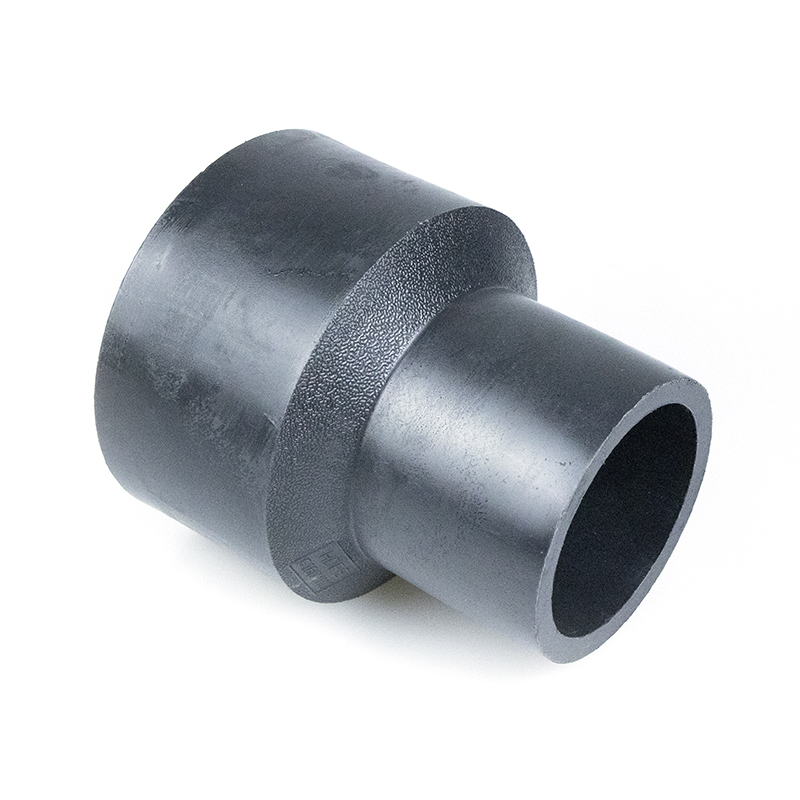
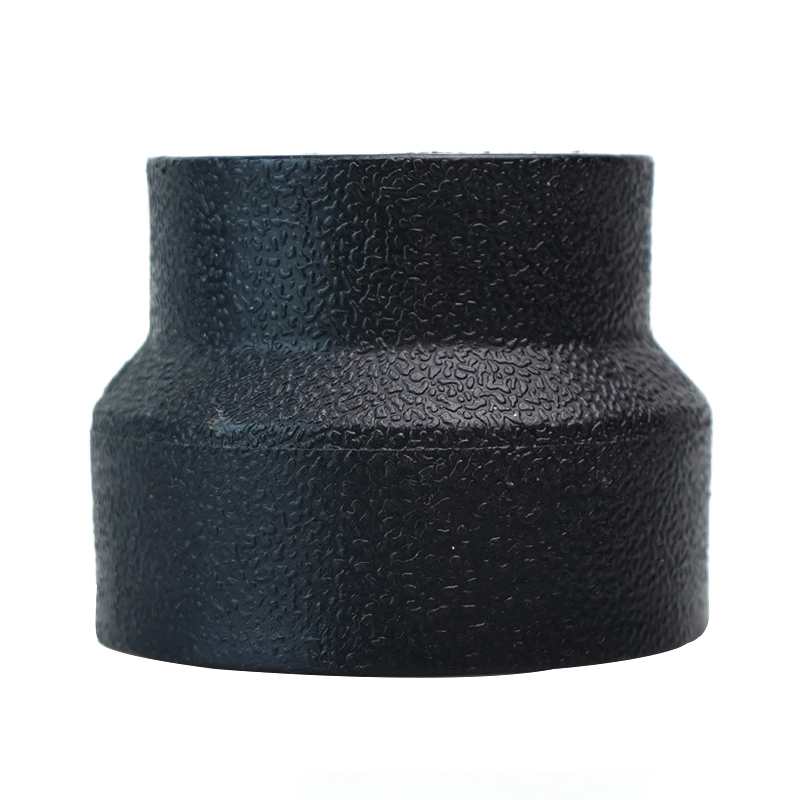
Achieve precision pipe size transitions with Ruisongbuild’s PE100 socket fusion reducers. Rated for PN16 pressure and compliant with ISO 4427, these high-density polyethylene reducing couplings ensure a leak-proof, homogeneous molecular bond. Engineered for smooth fluid flow and exceptional chemical resistance, our UV-protected PE reducers are the ultimate choice for municipal water, industrial processing, and high-pressure irrigation.
描述
Ruisongbuild PE100 Reducers: Precision Engineering for Pipe Size Transitions
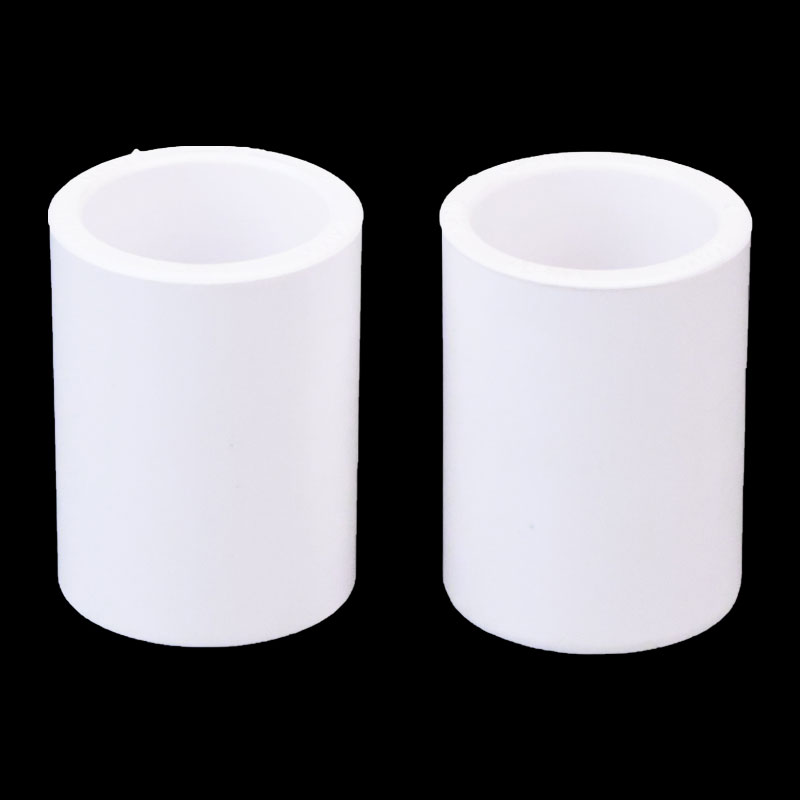
The Reducing Coupling (also known as a Reducing Socket) is the essential component for connecting two HDPE pipes of different diameters. At Ruisongbuild, our PE100 reducers are designed with a tapered internal flow path to minimize turbulence and pressure drop. By utilizing socket fusion technology, these fittings merge with the pipe at a molecular level, providing a robust, permanent joint that is as strong as the pipe itself.
Technical Specifications & Industrial Grade
-
Material: 100% Virgin High-Density Polyethylene (PE100).
-
Fusion Method: Socket Heat Fusion (Creates a monolithic bond).
-
Standard Compliance: ISO 4427, EN 12201, DIN 8074/8075.
-
Pressure Rating: PN16 (SDR11) – Engineered for high-pressure surges.
-
Size Range (OD): Transition sizes from 25x20mm up to 110x90mm .
-
Safety Status: Lead-free, non-toxic, and certified for potable water.
-
Durability: 50-year design life; highly resistant to environmental stress cracking (ESCR).
Why Choose Ruisongbuild PE100 Reducers?
-
Optimized Flow Geometry: The gradual internal taper ensures a smoother fluid transition between different pipe sizes, reducing energy loss and pump wear.
-
Molecular Fusion Integrity: Unlike mechanical reducers, our socket fusion fittings create a permanent, leak-proof bond that is immune to root intrusion and ground shifts.
-
Total Corrosion Resistance: Ideal for acidic soils or aggressive industrial fluids where traditional iron transition fittings would corrode or pit.
-
UV & Weather Protection: Compounded with carbon black for superior UV resistance, making them safe for both underground burial and exposed outdoor use.
Primary Applications
-
Municipal Water Mains: Stepping down main water lines for residential connections.
-
Industrial Process Lines: Transitioning between main headers and individual equipment inlets.
-
Agricultural Irrigation: Connecting high-flow pumps to smaller lateral sprinkler lines.
-
Mining & Slurry: Efficiently narrowing pipelines for increased flow velocity in slurry transport.
Complete Your Pipe Transition
For a fully certified system, use these reducers with our [PE100 High-Pressure Pipes ]. Looking for a branch reduction? Check out our [PE Reducing Tees].
Frequently Asked Questions
Q1: What is the difference between a PE Reducer and a PE Bushing?
A: A Reducer (Reducing Coupling) is a socket-style fitting that connects two pipes externally (Socket x Socket). A Bushing typically fits inside a larger fitting’s socket to reduce its opening size. Reducers are generally used for straight-line diameter changes.
Q2: Can I use a PN16 PE100 reducer with a PN10 pipe?
A: Yes. You can use a higher pressure-rated fitting (PN16) on a lower-pressure pipe (PN10). This actually increases the safety margin at the joint. However, ensure the SDR (Standard Dimension Ratio) is compatible for the fusion process.
Q3: Is this reducer safe for drinking (potable) water?
A: Absolutely. Ruisongbuild PE100 reducers are made from virgin, lead-free resins that are non-toxic and odorless, meeting international health standards for potable water supply.
Q4: How do I heat fuse a PE reducer?
A: Use a standard socket fusion heating tool. Simultaneously heat the outside of the pipe end and the inside of the reducer socket to the required temperature (approx. 260°C), then push them together and hold for the specified cooling time.
Q5: What is the lifespan of Ruisongbuild PE fittings buried underground?
A: When installed correctly, our PE100 fittings are designed for a service life of over 50 years. They are resistant to chemical soil attack, rust, and galvanic corrosion.

评价
目前还没有评价